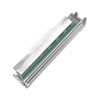
TSC 98-0420032-00LF Print Engine Upper Mechanism Assembly
Overview
The TSC 98-0420032-00LF is an OEM print engine upper mechanism assembly designed as a replacement component for TSC thermal printer systems. This assembly is engineered to restore print quality and mechanical performance in wired thermal printing environments where the upper print mechanism requires service or replacement. The 98-0420032-00LF is a precision mechanical subassembly that integrates with TSC's standard thermal printer architecture and supports both direct thermal and thermal transfer printing configurations.
Key Features
- OEM-Specification Component: Manufactured to original equipment standards for seamless integration with compatible TSC printer models
- Upper Mechanism Assembly: Complete subassembly addressing printhead mounting, platen roller engagement, and pressure regulation
- Wired Connectivity Support: Operates within TSC's standard wired networked printer architecture
- LCD Display Compatible: Integrates with printer models equipped with LCD operator interface for status monitoring and job control
- Thermal Print Ready: Supports both direct thermal and thermal transfer media processing without recalibration
- High-Volume Duty Cycle: Engineered for continuous printing environments typical in logistics, warehousing, and industrial label production
- Field-Replaceable Design: Standardized mounting and electrical connections enable rapid installation by trained technicians
- Precision Mechanical Alignment: Pre-calibrated pressure and positional geometry reduces downtime associated with mechanical service
Integration & Compatibility
The 98-0420032-00LF print engine upper mechanism assembly is designed for direct integration into TSC thermal printer platforms that utilize wired network connectivity and LCD operator displays. This component addresses the upper print mechanism subsystem, which includes printhead support, platen engagement, and media registration hardware. Technicians should verify printer model compatibility before ordering, as this assembly is engineered for specific TSC platforms within the commercial and industrial thermal printing range.
When installing the 98-0420032-00LF, ensure the printer is powered down and disconnected from the network. Standard replacement procedures involve removing the access cover, detaching the existing upper mechanism assembly via fasteners and electrical connectors, and installing the new assembly in reverse order. No firmware updates or recalibration of print parameters are typically required, as this is a mechanical component that inherits configuration from the host printer's stored settings.
Specifications
The 98-0420032-00LF is classified as a printer component (part type: print engine upper mechanism assembly). It is compatible with wired-connected TSC printers and is designated for use with systems featuring LCD display interfaces. As an OEM replacement assembly, it maintains the mechanical and electrical specifications of the original component, ensuring drop-in compatibility without design or performance degradation.
Ted PerryPerspective based on aggregated IP Security Depot and affiliated engineering team experience.
From a maintenance and field service perspective, the TSC 98-0420032-00LF print engine upper mechanism assembly is a critical wear component that directly impacts print quality consistency and mechanical reliability. In high-volume warehousing and logistics environments, this subassembly experiences cumulative stress from daily printhead cycling, media registration, and pressure adjustments. When performance degradation becomes evident—such as print quality loss, uneven pressure distribution, or mechanical noise from the upper print mechanism—replacement with an OEM-specification assembly like the 98-0420032-00LF is the recommended approach over field repairs.
Technical Highlights:
- OEM-Specification Integration: Manufactured to TSC's original design standards, eliminating compatibility risk and performance variability associated with aftermarket or rebuilt assemblies
- Wired Printer Ecosystem: Designed for networked thermal printer deployments where centralized job management and status monitoring are critical to operational continuity
- Mechanical Precision: Pre-aligned printhead support and platen engagement mechanisms reduce post-installation troubleshooting and recalibration cycles
Deployment Considerations:
- Stock this component as a planned spare in environments with mission-critical label production demands; thermal printer downtime directly impacts shipping, receiving, and compliance workflows
- Maintain technician-level familiarity with the installation procedure and electrical connector configurations to minimize service window impact
- Replace this assembly proactively during scheduled maintenance intervals in high-utilization environments (>10,000 labels/day) to prevent unplanned failures
The 98-0420032-00LF represents a straightforward, low-risk service replacement that restores mechanical performance without requiring system reconfiguration or operator training. For logistics and warehouse operations dependent on thermal printing, maintaining OEM replacement assemblies on hand is a cost-effective strategy for maintaining SLA compliance and avoiding extended downtime.