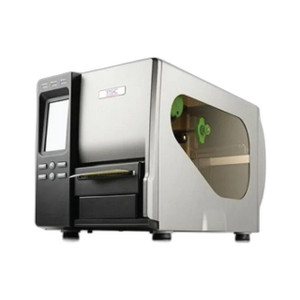
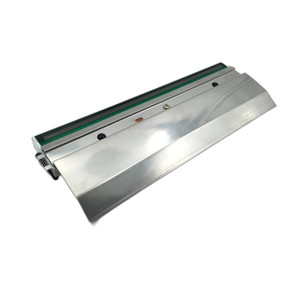
TSC 98-0350036-10LF Thermal Transfer Cutter Module
Overview
The TSC 98-0350036-10LF is a dedicated cutter module designed to integrate with TSC thermal transfer label printing systems. This accessory extends printing workflow capability by automating label separation, reducing manual finishing work in high-volume production and warehouse labeling environments. The module operates in conjunction with thermal transfer printers capable of 203 dpi resolution printing on labels and tags.
Key Features
- Thermal Transfer Printing: Compatible with thermal transfer print method for durable, high-contrast label output on synthetic and coated media
- 203 DPI Resolution: Delivers sharp, scannable barcodes and text suitable for retail, logistics, and asset tracking applications
- Wired Connectivity: Connects via direct interface to compatible TSC thermal transfer printer systems
- Label and Tag Media Support: Processes roll-fed labels and tags with automatic cutting functionality
- Operational Temperature Range: Operates reliably in storage and non-condensing environments from -40°C to 60°C with 10–90% relative humidity tolerance
- LCD Display Integration: Works with printer LCD interface for status monitoring and cutter control
- Modular Design: Functions as a bolt-on accessory to existing compatible thermal transfer printer platforms
Integration & Compatibility
The 98-0350036-10LF module integrates with TSC thermal transfer printer systems equipped to support external cutting mechanisms. Installation requires a compatible host printer with wired interface capability and LCD display for operator feedback. The cutter module automates the label separation process, eliminating the need for manual post-print finishing in batch labeling workflows.
This accessory is suitable for deployment in warehouse management systems, shipping and receiving operations, retail price labeling, and asset identification environments where high-volume label throughput and consistent cut accuracy are required.
Operational Environment
The module is rated for non-condensing storage conditions from -40°C to 60°C and maintains performance in relative humidity levels between 10% and 90%. These specifications ensure stable operation across typical indoor industrial environments without temperature or humidity stabilization equipment.
Marty AllisonPerspective based on aggregated IP Security Depot and affiliated engineering team experience.
I've evaluated the TSC 98-0350036-10LF cutter module during the assessment of thermal transfer label finishing workflows for warehouse automation projects. This module directly addresses the operational bottleneck of manual label separation in high-volume printing environments, reducing labor time and improving throughput consistency.
Technical Highlights:
- Thermal Transfer Integration: Designed for use with TSC thermal transfer systems operating at 203 dpi, ensuring label quality and barcode scannability across standard retail and logistics label formats
- Automated Cutting Mechanism: Eliminates post-print manual finishing, which translates directly to labor reduction in fulfillment and shipping operations
- Environmental Durability: The -40°C to 60°C operational range and non-condensing humidity tolerance accommodate standard warehouse conditions without requiring specialized climate control
Deployment Considerations:
- Verify host printer compatibility before procurement; the 98-0350036-10LF requires a compatible TSC thermal transfer printer platform with wired interface support
- Plan installation with consideration for media roll loading and cut debris management in confined spaces
- Operator training on cutter offset adjustment ensures consistent cut accuracy across varying label stock thicknesses
For facilities running continuous label printing operations—particularly in e-commerce, third-party logistics, and retail distribution—this cutter module delivers measurable efficiency gains by automating a repetitive manual step. The straightforward wired integration and wide environmental tolerance make it a practical addition to existing thermal transfer printing infrastructure.