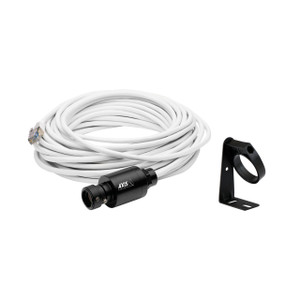
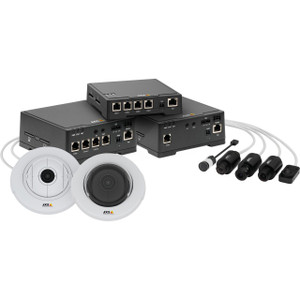
Axis 03371-001 Thermal Sensor Unit
When you need reliable perimeter detection in complete darkness, adverse weather, or scenarios where traditional cameras can't deliver actionable intelligence, a dedicated thermal sensor eliminates the guesswork. The Axis 03371-001 thermal sensor unit provides remote temperature measurement and heat-based detection for applications where environmental conditions render visible light imaging ineffective or insufficient.
Key Features
- Thermal imaging technology detects heat signatures independent of visible light conditions
- Remote deployment capability allows flexible positioning without extensive infrastructure changes
- Hardware module design integrates with existing Axis network video infrastructure
- Effective detection in fog, smoke, dust, and complete darkness where conventional cameras fail
- Reduces false alarms caused by lighting changes, shadows, or small animals in secured areas
- Network-ready architecture enables centralized monitoring and management
Integrators deploy thermal detection where environmental factors compromise traditional surveillance effectiveness—chemical plants with steam emissions, outdoor storage yards subject to heavy fog, or critical infrastructure requiring 24/7 perimeter monitoring regardless of weather. Unlike visible-light cameras that rely on illumination and suffer from glare or contrast issues, thermal sensors detect the infrared radiation emitted by objects, making them particularly valuable for early fire detection, equipment overheating monitoring, and intrusion detection across challenging terrain.
The modular hardware format allows staged deployment as thermal coverage needs evolve. When specifying thermal solutions, consider detection range requirements, field of view constraints, and integration points with your existing VMS platform. Thermal sensors complement rather than replace visible-light cameras—the combination provides verification of thermal alerts with visual detail during incident investigation. For outdoor perimeter applications, mounting height and angle directly impact detection range and nuisance alarm rates, so site surveys should account for terrain variations and typical ambient temperature differentials in your deployment environment.