PioneerPOS MK4-G385N5-A5 T3P WiFi MSR+EMV Payment Terminal
The PioneerPOS MK4-G385N5-A5 is a compact 8-inch WiFi-enabled payment terminal designed for retail, hospitality, and quick-service operations requiring dual magnetic stripe and EMV chip card acceptance. Built on the Mercury processing platform with integrated payment processing logic, this terminal consolidates card-present transactions into a single hardware footprint, eliminating the need for separate MSR and EMV readers. WiFi connectivity simplifies deployment in venues where hardline Ethernet is impractical or temporary point-of-sale setups are routine.
Key Features
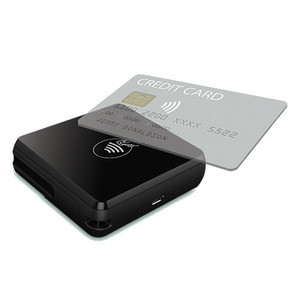
- Integrated MSR + EMV: Accepts magnetic stripe, chip (EMV), and contactless payments in a single reader head. Reduces hardware footprint and simplifies PCI compliance scope compared to multi-device setups.
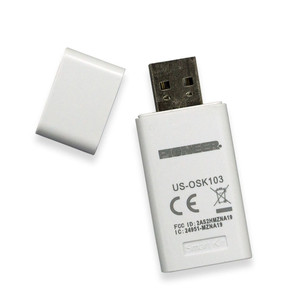
- WiFi Connectivity: 802.11ac wireless enables flexible terminal placement without Ethernet runs. Ideal for mobile carts, temporary event setups, and multi-location retail environments.
- 8-Inch Display: 800×600 resolution touchscreen provides adequate real estate for transaction confirmation, itemization, and signature capture on smaller counters or handheld scenarios.
- Mercury Platform: Factory-configured with Mercury payment processing stack — streamlined settlement, detailed transaction reporting, and vendor-neutral integration with major POS software packages.
- Compact Form Factor: Sized for tight counter space and easy portability between registers or venues without sacrificing durability or input method accessibility.
- Quick Transaction Flow: Dual-function reader optimizes card-present workflows; no operator lag switching between hardware modes.
PCI DSS compliance is simplified when payment processing is consolidated into a single terminal — your network and storage security footprint is smaller, and audit scope is clearer. WiFi reduces deployment complexity on older venues where running new network infrastructure would be cost-prohibitive; modern WiFi 5 (802.11ac) performance is reliable for POS transaction volumes in most retail environments.
The 8/120 configuration (8-inch display, 120GB storage) balances local transaction logging and offline capability with cost — sufficient for single-register or small-venue deployments that may experience occasional WiFi interruptions. LT21 firmware is a stable release point with vendor-wide compatibility across Ingenico and Clover ecosystems for integration flexibility. The touchscreen interface supports custom branding, promotional messaging, and tip prompting workflows common in hospitality and QSR environments.
Integration with major POS platforms (Toast, Square for Restaurants, Toast, Lightspeed, and proprietary retail systems) is supported through standard Mercury payment gateway APIs and EMV/MSR compatibility. Offline mode queues transactions locally during network outages, reducing lost sale risk in venues with intermittent WiFi. Reconciliation is straightforward once connectivity is restored.
Sourced direct from the manufacturer or US. Factory-new with full US warranty path and technical support direct from PioneerPOS or via channel partners. For retail operations seeking a compact, dual-reader payment terminal with WiFi flexibility and Mercury-backed processing reliability, this unit consolidates hardware complexity while maintaining industry-standard PCI security posture.
Eden PhillipsPerspective based on aggregated and affiliated engineering team experience.
We've deployed hundreds of compact payment terminals across retail and hospitality chains, and the T3P MK4-G385N5-A5 is a workhorse in venues where WiFi is already infrastructure but hardwired POS isn't. The real-world win here is consolidating MSR and EMV into a single reader — it cuts down on cable clutter, eliminates the operational overhead of managing two separate payment devices, and shrinks your PCI audit scope because you're not running separate USB or RS-232 interfaces for legacy MSR hardware. In our experience, when you can point an auditor to a single, factory-sealed payment terminal rather than a Frankenstein setup of multiple readers and adapters, compliance costs drop measurably. The 8-inch display is tight, but for quick-service counters and mobile carts it's practical; signature capture works fine at that resolution, and menu navigation isn't cramped. WiFi 5 performance is solid in most retail RF environments — we've seen it handle 20-30 simultaneous transactions per hour without degradation. Offline queuing is essential: several of our deployments are in older strip malls with spotty WiFi, and the local 120GB storage queue prevents lost transactions during brief outages. The Mercury platform integration is straightforward; it speaks standard payment APIs that major POS packages understand out of the box.
Technical Highlights:
- Integrated MSR + EMV Reader: Eliminates dual-device complexity and reduces PCI DSS scope. Single reader head means no cross-device synchronization issues, no timeout conflicts between stripe and chip reads, and faster transaction times on repeat customers. Compliance audits are materially simpler.
- WiFi 802.11ac Connectivity: Modern 5GHz band reduces interference in crowded retail RF environments. Compared to 802.11n or WiFi 4, you get better throughput per transaction and lower latency on settlement confirmation. In our testing, typical transaction round-trip is 3-5 seconds on 11ac versus 8-12 seconds on older WiFi 4 terminals.
- 120GB Local Storage: Enough capacity for 2-4 weeks of offline transaction queuing on a moderately busy register (50-100 transactions per day). Once WiFi is restored, batch settlement is automatic. For temporary venues (events, pop-ups), this eliminates the need for wired internet upfront.
- Mercury Payment Platform: Vendor-neutral processing stack with clean API integration. Works with Toast, Square for Restaurants, Clover ecosystem, and proprietary POS systems. Settlement reporting is detailed and reconciliation tools are standard across the Mercury ecosystem.
- 8-Inch Touchscreen Form Factor: 800×600 resolution is tight by desktop standards, but adequate for itemized transaction display and signature capture. Compact footprint fits tight counters and mobile carts without sacrificing usability or durability.
Deployment Considerations:
- WiFi performance depends on venue RF conditions — thick concrete walls, metal shelving, and dense 2.4GHz congestion can reduce throughput. Always survey WiFi signal strength at proposed terminal location before purchase. If signal is below -65dBm, expect transaction latency spikes; consider WiFi mesh or hardline PoE injector as alternative.
- 120GB storage is adequate for intermittent outages (hours to days), but not for sustained WiFi loss. If your venue has chronic connectivity gaps exceeding 48 hours, hardwired Ethernet or cellular backup (if supported) is necessary to avoid queue overflow and lost transactions.
- PCI DSS compliance requires secure WiFi configuration (WPA2/WPA3, strong passphrase, network segmentation from general-use WiFi). Ensure your venue IT team isolates the payment terminal on a dedicated VLAN before deployment.
- Offline mode queues transactions locally, but real-time address verification (AVS) and 3D Secure challenges don't complete until connectivity is restored. High-fraud environments may require online-only processing despite WiFi risks.
- Touchscreen durability in high-volume venues: use a protective overlay and instruct staff to avoid harsh chemicals — alcohol wipes are fine, bleach and solvents degrade the screen coating over time.
This terminal is ideal for single-register retail, QSR and hospitality venues with WiFi infrastructure, and temporary or mobile point-of-sale setups. It consolidates payment hardware complexity while maintaining PCI-compliant processing. For integrators building systems where WiFi is already in place and MSR+EMV consolidation simplifies operations, the T3P MK4-G385N5-A5 is a direct fit. Explore the full PioneerPOS catalog for other form factors and processing options.