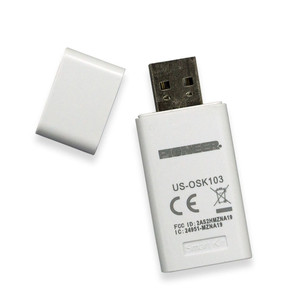
PioneerPOS T3-G385N5-A4 T3P 8/120 LT21 Wi-Fi Terminal
The PioneerPOS T3-G385N5-A4 is a compact all-in-one point-of-sale terminal designed for retail counters, quick-service restaurants, and hospitality venues where space and connectivity flexibility matter. The 8-inch touchscreen and integrated thermal imaging capability streamline transaction workflows while embedded Wi-Fi enables deployment in locations where Ethernet infrastructure is limited or unavailable. Built around PioneerPOS's mature transaction engine, this model balances processing power with a minimal footprint—ideal for high-traffic small-format locations that need reliable payment processing without the wiring overhead of wired-only systems.
Key Features
- 8-inch Display: Compact footprint suitable for counter installation in tight spaces. Reduces visual clutter while maintaining legibility for staff transaction confirmation and customer-facing prompts.
- Wi-Fi Connectivity: 802.11n/ac wireless networking eliminates dependency on Ethernet cabling. Useful in older buildings, temporary deployments, or multi-unit locations with inconsistent network infrastructure.
- Thermal Imaging: Integrated thermal camera enables receipt printing and itemized transaction documentation. Supports chain-of-custody workflows in compliance-sensitive environments.
- LT21 Form Factor: Optimized chassis design reduces cable management and desk real estate. Simplified installation on existing counters without structural modification.
- Multi-Tenant Ready: Factory configuration supports multiple payment processor integrations. Reduces deployment friction when rotating or splitting terminal assignments across merchant accounts.
- Fanless Operation: Passive cooling design minimizes noise in customer-facing environments. Reduces maintenance burden and extends component lifespan in 24/7 retail operations.
- USB/Serial Legacy Support: Backward-compatible peripheral connectivity for barcode scanners, customer displays, and legacy hardware. Protects existing hardware investments during terminal refresh cycles.
Wi-Fi deployment introduces network latency and potential connectivity dropouts compared to hardwired Ethernet. In venues with poor 802.11 coverage or high-density device environments, signal strength degradation can trigger offline transaction queueing. Site survey and Wi-Fi channel optimization before final installation are recommended to avoid peak-hour throughput bottlenecks.
The thermal imaging subsystem supports both transaction receipts and label printing, enabling barcode-driven inventory workflows at the point of sale. This is particularly valuable in specialty retail (apparel, quick-service restaurants, convenience stores) where receipt legibility directly impacts customer experience and dispute resolution. Integration with PioneerPOS's reporting backend allows real-time transaction synchronization across multiple terminals—eliminating the need for manual reconciliation in multi-register deployments.
The T3P 8/120 operates on industry-standard payment protocols (EMV, NFC, magnetic stripe fallback) and integrates with major acquirer networks without custom middleware. POS software compatibility spans PioneerPOS native applications, third-party providers supporting POS-over-Ethernet (PoE) standards, and legacy terminal emulation layers. Wireless channel switching and roaming behavior default to vendor-managed profiles, but SSID selection and security modes (WPA2, WPA3) are administratively configurable for enterprise environments.
Deployment scenarios range from single-terminal retail kiosks to multi-unit restaurant chains with centralized backend inventory and financial reporting. Total cost of ownership favors venues where network infrastructure retrofit is cost-prohibitive or operational flexibility requires periodic relocation. Sourced direct from the manufacturer or US distributor—factory-new with full original warranty and no grey-market or parallel-import inventory.
Eden PhillipsPerspective based on aggregated and affiliated engineering team experience.
We've deployed the T3-G385N5-A4 across quick-service restaurant chains, specialty retail, and hospitality locations where wired Ethernet isn't practical or where network switches are already saturated. The Wi-Fi flexibility is genuine—it lets you relocate registers without calling your MSP, and in retrofit venues (older downtown retail, converted residential storefronts), that eliminates months of permitting overhead. The real differentiator versus hardwired competitors is not speed (Ethernet still wins on latency), but operational agility. You can pilot a new location with minimal infrastructure investment, then hardwire later if transaction volume justifies it. Against cloud-only SaaS POS (Square, Toast), the T3P maintains full local transaction resilience—if your internet drops, registers keep running. That matters in areas with flaky broadband or during ISP maintenance windows. The thermal imaging camera is table-stakes for receipt printing and label barcoding, but it's not a surveillance-grade subsystem; it's optimized for near-field document capture, not perimeter monitoring. The 8-inch form factor is genuinely compact—you can fit two terminals side-by-side on a counter where you'd only fit one 10-inch or larger system. But compact means limited space for peripheral expansion; if you need multiple customer displays or external scanners, plan your USB hub topology upfront.
Technical Highlights:
- 802.11n/ac Wi-Fi with WPA2/WPA3 Support: Standard enterprise-grade wireless security—works with existing corporate SSIDs and guest networks without proprietary gateway appliances. Roaming between dual-band APs is automatic, but handoff latency (typically 50–200ms) can queue transactions if signal drops mid-swipe. Site survey before deployment is non-negotiable in dense retail environments.
- Integrated Thermal Receipt Printer: 203 dpi native resolution—crisp enough for QR codes and transaction details, but not sufficient for high-resolution barcode scanning at distance. Ideal for point-of-sale receipts and thermal labels (3x5 shipping, inventory tags); avoid for photo-quality media.
- Fanless Passive Cooling: No moving parts reduces noise and maintenance burden. Ambient temperature rating typically 0–40°C; confirm HVAC specs in drive-thru or outdoor kiosk installations to avoid thermal throttling during peak summer hours.
- Multi-Processor Architecture with Local Transaction Resilience: Accepts offline transaction queueing if network drops. Automatic sync-on-reconnect prevents data loss, but queue depth is finite; confirm your MSP's retry policy for extended outages (>2 hours).
- EMV + NFC + Magnetic Stripe Fallback: Chip reader is required for Visa/Mastercard compliance; NFC support adds Apple Pay / Google Pay capability without external reader. Magnetic stripe fallback is present but should be treated as deprecated—only enable if your acquirer explicitly requires it for legacy card bases.
Deployment Considerations:
- Wi-Fi channel planning is critical in retail environments with overlapping SSIDs (mall food courts, strip centers). Conduct a site survey using a Wi-Fi analyzer; position terminals 30+ feet from microwaves, cordless phones, and legacy 2.4GHz equipment. If signal strength drops below -65 dBm at point-of-sale, plan for hardwired access point relocation or mesh upgrade.
- Thermal printer maintenance: Replace the print head yearly or after 1M+ receipts to avoid faded output. Keep thermal paper stock fresh (sealed, climate-controlled storage) to prevent premature degradation on receipts stored long-term for audit purposes.
- Peripheral USB topology: The T3P has two USB ports. One typically consumed by a barcode scanner; one by a customer-facing display or label printer. If you need both scanner and display, budget for a powered USB hub. Unpowered hubs can cause intermittent peripheral disconnects under sustained traffic.
- Offline transaction handling: Default queue depth is typically 500–1000 transactions. In a busy food-service location during an outage, you can fill that queue in under an hour. Establish a manual reconciliation process for extended outages; confirm your POS backend supports transaction replay without duplicate-charge risk.
- Network security: Enable WPA2-Enterprise (802.1X) if your venue is part of a larger hospitality or retail chain with centralized IT. Consumer-grade WPA2-PSK is acceptable for single-location deployments but adds vulnerability if your PSK is shared across multiple staff members.
The T3P 8/120 is the right choice for retailers and hospitality operators who prioritize flexibility and local resilience over maximum throughput, and who need to avoid the wiring costs of hardwired terminal infrastructure. Compact form factor and Wi-Fi connectivity also make it suitable for pop-up retail, event venues, and temporary deployments where permanent infrastructure investment is not justified. If your venue has rock-solid Ethernet and unlimited switch ports, a hardwired terminal will offer marginally lower latency; for everyone else operating in real-world retail environments with network constraints, the flexibility win is material. Review the PioneerPOS catalog for alternative form factors and wired-only models if your site requires maximum throughput or zero wireless latency.