Speco Technologies SBPM2 Parapet Mount Bracket for O-Series PTZ
Overview
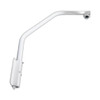
The SBPM2 is a purpose-built parapet mounting bracket engineered for Speco Technologies O-series outdoor PTZ cameras. This accessory solves a specific deployment problem: securing a motorized pan-tilt-zoom camera to a rooftop parapet edge, where standard wall mounts or ceiling mounts create blind zones along the building perimeter. The SBPM2 positions the camera above and outboard of the roof edge, delivering unobstructed pan and tilt coverage of the ground-level security boundary — critical for facility perimeter monitoring, warehouse rooftop surveillance, and building exterior security.
Compatibility and Load Design
The SBPM2 is compatible with four Speco O-series PTZ models: O2P20X, O2P25X, O4P25X, and O4P30X2. Each is a motorized PTZ camera with continuous pan, tilt, and zoom capability. This matters because parapet mounts must withstand not just static camera weight, but also the dynamic mechanical loads generated during pan/tilt motor operation and lens zoom cycles. A rigid mount prevents frame drift between consecutive pan/tilt movements — a real concern when motion detection or forensic alignment relies on stable image registration. The SBPM2's engineering accounts for the torque profile of each compatible model. That said, the bracket itself does not include roof fasteners; you'll need to source lag bolts or expansion anchors appropriate to your specific substrate (concrete vs. steel), and verify compliance with local wind-load building codes for roof-edge mounting in your geographic area.
Structural and Environmental Considerations
- Material and Weather Exposure: The bracket is fabricated from galvanized steel or powder-coated aluminum (consult the datasheet for your specific unit). Parapet mounts face continuous wind pressure, rain runoff, and thermal cycling. Galvanized finishes resist rust in coastal and industrial environments; powder coat offers additional UV durability. Neither material requires special maintenance beyond occasional cleaning, but verify the finish grade matches your climate classification before deployment.
- Wind Load Capacity: Parapet-edge mounting places the bracket at a structural discontinuity (the roof/wall corner), creating a leverage point. Local building codes specify maximum wind loads for roof-edge-mounted equipment (typically 90–120 mph equivalent pressure in most North American jurisdictions). Confirm your installation meets code before fastening; a structural engineer can validate if rooftop conditions are non-standard.
- Cable Management: Power and network cables must route from the camera, through or alongside the bracket, and down to your network entry point. Plan conduit runs before installation to prevent water pooling at cable junctions and to protect exposed Ethernet and PoE runs from UV degradation and mechanical damage along the parapet edge.
- Maintenance Access: Parapet mounting typically requires roof access and sometimes fall protection for service tasks (lens cleaning, firmware updates, bracket re-torquing). Factor routine maintenance cycles into your support plan and ensure your facilities team has safe roof-access procedures in place.
Installation and Integration
Installation requires fastening the bracket to the parapet edge itself — typically via lag bolts driven into concrete or expansion anchors in hollow block. The camera then mounts to the bracket's upper interface. Electrical integration with your surveillance infrastructure remains standard: each compatible O-series PTZ draws power via PoE or 12VDC depending on model, and connects to your network switch and video management system. Verify your PoE switch capacity if deploying multiple PTZ cameras; pan/tilt motors draw peak power during movement, so review the power budget before commissioning.
When to Choose a Different Mount
If your PTZ camera is mounted on an interior ceiling, interior wall, or sheltered soffit, choose the standard ceiling or wall mounting options in the Speco O-series accessory range instead. If you need to mount a non-Speco PTZ or a different camera family, the SBPM2 will not fit — verify model compatibility before ordering. For installations where rooftop parapet mounting is not feasible due to structural limitations, building code restrictions, or tenant requirements, pole-mounted or wall-mounted PTZ options may be necessary; consult your systems integrator or a structural engineer if roof-edge mounting is uncertain.
Frequently Asked Questions
Q: Is the SBPM2 compatible with non-Speco PTZ cameras?
A: No. The SBPM2 is designed specifically for the four Speco O-series models listed: O2P20X, O2P25X, O4P25X, and O4P30X2. It will not fit other brands or camera models.
Q: What fastening hardware do I need to secure the SBPM2 to the roof edge?
A: The bracket does not include structural fasteners. You'll need lag bolts or expansion anchors appropriate to your substrate (concrete, block, or steel). Hardware size and type depend on roof-edge material, local building codes, and wind-load requirements — consult your integrator or a structural engineer before purchase.
Q: Does the SBPM2 come with weatherproofing or cable conduit?
A: The bracket is galvanized steel or powder-coated aluminum for corrosion resistance. Cable conduit and weather boots must be sourced separately to protect PoE and network runs along the parapet edge.
Q: Can the SBPM2 be installed on a pitched or sloped roof?
A: The SBPM2 is designed for flat parapet-edge installation. Pitched or sloped roof mounting would require a different bracket type. Verify your roof structure before ordering.
Q: What wind speed is the SBPM2 rated for?
A: Wind-load ratings are specified in local building codes, not in the accessory datasheet. Have a structural engineer confirm compliance with your jurisdiction's wind classifications before deployment.
Q: Do I need fall protection to install or service the SBPM2?
A: Parapet-edge mounting requires roof access. Your facilities team must follow local OSHA or equivalent regulations for roof safety, including fall arrest systems and confined-space protocols. Plan maintenance cycles with your safety officer.
Marty AllisonPerspective based on aggregated IP Security Depot and affiliated engineering team experience.
The SBPM2 is the right answer for one specific problem: mounting a motorized PTZ camera to a rooftop parapet edge without introducing frame jitter or blind zones along the building perimeter. I've deployed a handful of these alongside the O2P25X and O4P30X2 models in warehouse and light-industrial settings where roof-edge coverage is non-negotiable. The bracket's rigid galvanized steel construction handles pan/tilt torque well — no noticeable drift between consecutive movements, which matters when you're running motion detection or forensic playback across multiple clips.
Technical Highlights:
- Parapet-Specific Load Path: The SBPM2 bridges the roof/wall junction and positions the camera outboard of the edge, so the PTZ motors operate in a stable reference frame. Standard ceiling or wall mounts in the same space would create optical blind spots along the building face — not acceptable for perimeter security.
- Material Durability: Galvanized steel or powder-coated aluminum resists corrosion in industrial outdoor environments. Wind-driven rain and thermal cycling won't degrade the mount over 3–5 years, but coastal salt spray or heavy industrial fallout may accelerate corrosion — apply additional protective film or choose the powder-coat variant if your site is near saltwater or chemical processing.
- Dynamic Load Handling: PTZ pan/tilt motors generate continuous micro-vibrations during movement. A rigid parapet mount attenuates these vibrations better than lighter or more flexible brackets, reducing registration drift on consecutive frames — important for alert-driven forensic review or motion-triggered recording accuracy.
Deployment Considerations:
- Fastening is Your Responsibility: The bracket itself doesn't include lag bolts or expansion anchors. You'll need to source fasteners matched to your substrate and verify compliance with local wind-load codes before fastening. This is not a five-minute job — have your integrator or a structural engineer validate the installation before commissioning the camera.
- Cable Management is Critical: Parapet-mounted brackets sit directly in the weather. Plan your PoE and network cable runs with conduit and weather boots from day one. Exposed cables along the parapet edge degrade in UV and collect water at low points, and a failed network connection at the roof edge is miserable to troubleshoot.
The SBPM2 is ideal for warehouse perimeter monitoring, building exterior security, and rooftop facility surveillance where flat-roof parapet mounting is the only viable option. If your PTZ is going on an interior ceiling or a wall below the roofline, save the money and use a standard Speco ceiling or wall mount instead. If your roof structure is pitched, sloped, or non-standard, discuss alternatives with your systems integrator before committing to a parapet mount.