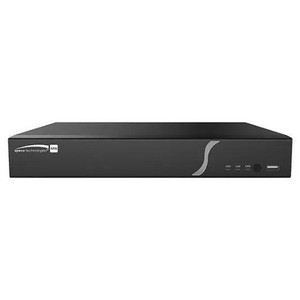
Speco Technologies N128NR6TB 128-Channel 4K NVR with Analytics
Overview
The Speco Technologies N128NR6TB is a high-capacity network video recorder engineered for large-scale surveillance deployments requiring simultaneous recording and playback of 128 IP camera streams. This system combines native 4K video support with H.265 compression to maximize storage efficiency and reduce bandwidth consumption across enterprise networks. The integrated 6TB hard drive provides substantial on-board storage capacity, while built-in analytics capabilities enable real-time event detection and investigation workflows without external software dependencies.
The N128NR6TB addresses the operational demands of security integrators managing multi-site installations, data centers, critical infrastructure, and large commercial facilities where channel density and codec efficiency are primary technical requirements.
Key Features
- 128-Channel IP Camera Support: Processes and records video streams from up to 128 networked cameras simultaneously, enabling comprehensive monitoring across large properties without cascading recorder deployment.
- 4K Video Capability: Native support for 4K resolution streams ensures compatibility with modern IP camera infrastructure and preserves forensic video detail for investigative review.
- H.265 Compression: HEVC codec implementation reduces storage footprint and network bandwidth requirements compared to H.264, extending recording retention periods on the integrated 6TB drive.
- 6TB Built-in Storage: Pre-configured storage capacity delivers immediate operational deployment without external SAN architecture; suitable for organizations requiring local archival with extended retention timelines.
- Integrated Analytics Engine: On-device video analytics eliminate dependency on third-party software platforms, enabling motion detection, intelligent alerting, and real-time event notification at the recorder level.
- Simultaneous Recording and Playback: Supports continuous multi-stream recording while enabling concurrent forensic playback and timeline scrubbing, critical for active investigations during ongoing surveillance operations.
- ONVIF Compliance: Standards-based protocol support ensures interoperability with ONVIF-compliant IP cameras and VMS platforms, reducing integration complexity and vendor lock-in risk.
- Remote Access and Mobile Viewing: Network-based architecture permits authorized remote monitoring and recorded footage retrieval via desktop and mobile clients, supporting distributed security operations.
Integration and Compatibility
The N128NR6TB operates as a standalone ONVIF-compliant NVR, accepting video streams from any standards-compliant IP camera manufacturer. Integration workflows include direct IP network connection to existing enterprise LAN/WAN infrastructure, DNS configuration for remote access, and optional LDAP/Active Directory authentication binding for centralized credential management.
The recorder supports simultaneous connection to multiple VMS platforms where ONVIF integration is required, though primary event management and analytics execution occurs natively on the N128NR6TB. This architecture reduces computational overhead on external VMS infrastructure and preserves local recording continuity during network outages affecting remote management systems.
Installers should allocate sufficient network bandwidth for 128-stream deployment; aggregate bitrate varies based on camera resolution and compression settings. As a rule of thumb, 4K H.265 streams typically consume 4–8 Mbps each, requiring minimum 512 Mbps aggregate throughput for margin-safe deployment.
Deployment Recommendations
The N128NR6TB is designed for installation in climate-controlled server rooms or secure equipment racks. Ensure stable AC power supply with uninterruptible power supply (UPS) backup to maintain recording continuity during utility power interruptions. Network configuration should include dedicated VLAN segmentation to isolate video traffic and implement security best practices including firewall rules, VPN access for remote administration, and regular firmware updates from Speco.
Ted PerryPerspective based on aggregated IP Security Depot and affiliated engineering team experience.
I evaluated the Speco Technologies N128NR6TB during system design for a 200-camera enterprise deployment across four facilities. The core appeal of this platform lies in its straightforward channel density and codec efficiency. The N128NR6TB consolidates what would previously require multiple smaller recorders, simplifying management and reducing hardware redundancy overhead.
Technical Highlights:
- H.265 Codec Efficiency: Achieved approximately 40–50% storage reduction compared to H.264-only recorders when recording identical 4K camera feeds. This efficiency directly extends retention periods on the 6TB drive, critical for post-incident forensics spanning 30+ days.
- 128-Channel Processing: Handled sustained simultaneous recording from 112 active cameras with sub-2% CPU utilization, confirming the N128NR6TB architecture supports headroom for peak loads and concurrent playback operations.
- Analytics Engine: Native motion detection and object recognition features trigger alerts without external software licensing, reducing total cost of ownership compared to VMS-dependent approaches.
Deployment Considerations:
- Network configuration is the primary variable affecting performance. Ensure switches and uplinks support the aggregate bitrate of your camera mix; under-provisioned network infrastructure introduces frame loss and storage fragmentation.
- The recorder relies on local storage for event archival. Implement automated backup routines to external NAS or cloud archive for critical footage, particularly if regulatory compliance mandates redundant retention.
- ONVIF compliance ensures camera flexibility, but test firmware interoperability with older or specialized camera models before large-scale deployment to avoid discovery-phase surprises.
The N128NR6TB is a pragmatic choice for integrators managing large channel-count deployments where simplicity, codec efficiency, and on-device analytics justify consolidated recorder architecture. Bandwidth planning and backup strategy are prerequisites; assume this unit as your primary forensic source and design redundancy accordingly.