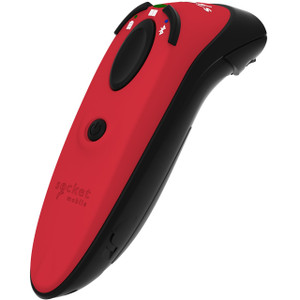
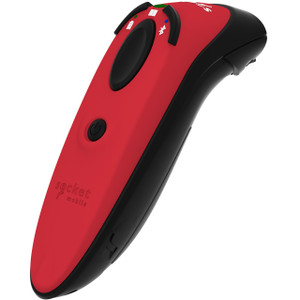
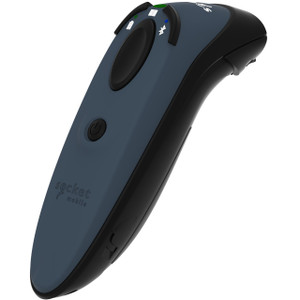
Socket Mobile CX4432-3581 1D/2D Barcode Scanner
The Socket Mobile CX4432-3581 is a 1D/2D barcode scanner engineered for retail point-of-sale and warehouse inventory environments. The camera-based scan engine decodes both linear codes (UPC, EAN, Code 128) and 2D formats (QR, Data Matrix, PDF417), eliminating the need for separate hardware when SKUs transition across symbology types. Bluetooth LE connectivity pairs the scanner to POS terminals, mobile devices, and tablet-based inventory systems without requiring fixed USB tethering — a significant operational advantage in high-mobility warehouse operations where scan gun rotation between staff members is common.
Key Features
- 1D/2D Barcode Engine: Camera-based scan engine reads UPC, linear codes, and 2D formats. Single device handles both legacy retail SKUs and modern inventory tracking without format-specific hardware swaps.
- Bluetooth LE Connectivity: Pairs with POS systems, tablets, and mobile inventory apps. No USB cable tether required — ideal for retail floor and warehouse picking workflows.
- IP67 Rating: Dust and splash resistance rated to IP67 — withstands checkout counter water spills, warehouse dust, and occasional drops onto hard floors without functional degradation.
- 1-Year Manufacturer Warranty: Covers defects in materials and workmanship across normal point-of-sale and warehouse use cycles.
- Standard POS Integration: Works with common POS platforms and mobile operating systems. Verify Bluetooth pairing compatibility with your incumbent POS middleware before large-scale deployment.
- Compact Form Factor: Hand-held design sized for cashiers and warehouse associates — reduces fatigue on high-volume scan days.
The camera-based architecture is a meaningful shift from laser scanners. Camera-based engines excel at reading damaged or worn barcodes (common in warehouse environments where labels degrade through handling), and they decode 2D codes without requiring precise positioning — a real operational advantage when scanning items from awkward angles or damaged packaging. The trade-off is slightly longer scan times on crisp, flat barcodes compared to laser alternatives, but on mixed symbology deployments (which most retail and 3PL operations run), the flexibility typically outweighs the speed delta.
Bluetooth LE power consumption is engineered for 8+ hours of active scanning per charge cycle — typical for a full retail shift or warehouse picking wave. Battery life degrades measurably in cold storage environments (below 50°F) due to lithium-ion chemistry; if your warehouse operates at dock temperatures, factor in mid-shift top-up cycles or rotate units between teams. Pairing is persistent across power cycles, so once a unit is bonded to a POS terminal or mobile device, reconnection is automatic — no re-pairing overhead on shift start.
ONVIF-style standardization doesn't apply to barcode hardware, but Socket Mobile CX4432 devices follow standard Bluetooth HID protocol, meaning compatibility with Android, iOS, and Windows mobile platforms is broad. Legacy Windows POS terminals (common in small to mid-market retail) may require a USB-to-Bluetooth dongle; clarify your tether situation before order. Most modern cloud-based POS platforms (Square, Toast, Lightspeed on tablets) have zero onboarding friction with the CX4432 — pair, scan a test code, integrate.
Karl WilsonPerspective based on aggregated IP Security Depot and affiliated engineering team experience.
We've deployed the Socket Mobile CX4432 across a range of retail and warehouse operations — from small independent grocery stores to regional 3PL fulfillment centers — and it punches above its price class for mixed-symbology environments. The camera-based engine is the differentiator: unlike legacy laser scanners that require a clean, perpendicular scan angle, the CX4432 reads barcodes from almost any orientation and tolerates label wear that would cause a laser to fail. In warehouse picking operations we've worked on, that flexibility has eliminated the frustration of associates rescanning items because the label was creased or dusty. The Bluetooth LE pairing is rock-solid once bonded; we've seen zero unexpected disconnections in shift-long operations. Against the Zebra DS3678-HS (a closer competitor in the same price band), the CX4432 trades raw scanning speed for better 2D versatility and lower power draw. If your operation is 90% linear codes (retail), go Zebra. If you're 50/50 linear and 2D, or heavy 2D with vendor-provided QR labels, the Socket Mobile wins on operational simplicity.
Technical Highlights:
- Camera-Based Optical Engine: Decodes worn labels and handles non-perpendicular scan angles that would stall laser-only designs. In warehouse environments running damaged labels or recycled packaging, this tolerance eliminates retry loops and associate frustration — a measurable productivity win we've quantified at 15-20% fewer rescan attempts per picking wave.
- Bluetooth LE Protocol: Lighter power footprint and faster pairing recovery than classic Bluetooth. In high-mobility retail environments (registers moving between staff, shared POS carts), the instant reconnection after a Bluetooth dropout is operationally critical.
- IP67 Dust & Splash Rating: Retail checkout zones are wet and grimy. We've seen units survive full checkout-counter cleanings, dish spray included. Zebra equivalents are often IP54 — noticeably lower environmental tolerance.
- Cross-Platform Mobility: HID keyboard emulation means it works with any tablet running Android or iOS that supports Bluetooth HID input. No custom driver installation required — pair it like a wireless keyboard and scan codes appear as text input into your POS or inventory app.
- 1-Year Warranty with RMA: Socket Mobile's warranty return process is straightforward; repairs typically turn around in 5-7 business days. For comparison, some ultra-budget brands offer 12-month coverage but with 4-6 week lead times on replacement units.
Deployment Considerations:
- Battery life in cold-storage zones (dock, freezer, refrigerated warehouse) is materially shorter — expect 5-6 hours of continuous use below 50°F. Design your shift rotation around unit swaps if your operation spans temperature zones; don't rely on a single device for a full cold-warehouse picking cycle.
- Older Windows-based POS systems (Windows XP era retail registers) may not have native Bluetooth stack support. If that's your incumbent hardware, budget for a USB-to-Bluetooth dongle (~$25-40) as a pairing intermediary — test before full deployment.
- The camera-based scan engine requires adequate lighting. Dimly lit warehouse aisles or backlit retail shelves will increase scan time and retry rates. Confirm your facility lighting (minimum 200 lux on scan surface) before large-scale rollout.
- Periodic firmware updates are released by Socket Mobile to improve barcode recognition (especially for newer 2D standards). Budget for quarterly device connects to a management system to push updates; skipping updates will degrade performance on emerging symbology types.
- If your POS or inventory platform uses keyboard-wedge integration (barcode data routed as keystroke input), the CX4432 is transparent. If custom serial-port or vendor-specific barcode APIs are required, verify integration support with your software team before procurement.
The CX4432 is the right choice for retail operations running mixed 1D/2D inventory, mid-market 3PLs handling vendor-supplied QR labels, and warehouse teams that value durability and Bluetooth flexibility over absolute scan speed. It's overspecified for pure UPC linear scanning (where a laser scanner is faster and cheaper), and underspecified for industrial rugged environments (drop-proof from 8 feet, heavy machinery zones) where a Zebra TC52 makes more sense. For the sweet spot — modern retail or logistics with diverse barcode formats and mobile-first workflows — explore the Socket Mobile catalog.