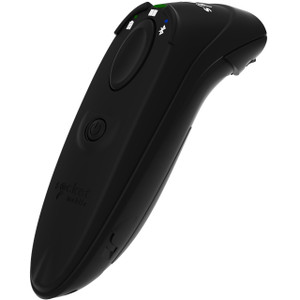
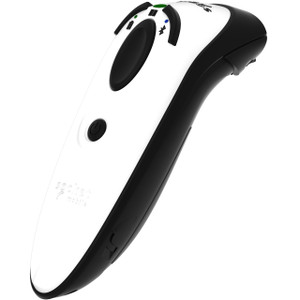
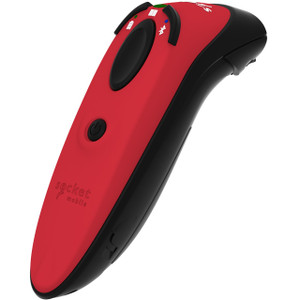
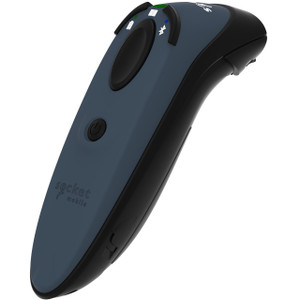
Socket Mobile CX4330-3463 1D/2D Barcode Scanner
The Socket Mobile CX4330-3463 is a handheld 1D/2D barcode scanner designed for point-of-sale checkouts, warehouse receiving, and inventory fulfillment operations. The scanner captures both linear (1D) codes—UPC, EAN—and 2D matrix barcodes, eliminating the need for separate devices across checkout and back-office workflows. Built on industry-standard POS connectivity, it integrates directly into existing retail terminals, mobile computers, and warehouse management systems without custom drivers or protocol adapters.
Key Features
- 1D/2D Barcode Capability: Reads UPC, EAN, and 2D matrix codes. Single device handles checkout, receiving, and cycle-count operations without format limitations.
- Handheld Form Factor: Compact, ergonomic grip sized for extended shift work. Fits natural POS counter workflows and mobile bin/shelf scanning in warehouse aisles.
- Standard POS Connectivity: Industry-standard interfaces connect to legacy PIN-pad terminals, modern mobile computers, and WMS platforms without proprietary converters.
- Multi-Environment Durability: Rated for retail counter and warehouse floor conditions—resists spills and drops common to high-velocity scanning operations.
- One-Year Manufacturer Warranty: Factory warranty covers defects in materials and workmanship; repair/replacement support through authorized channels.
- Fast Decode Speed: Optimized scan engine delivers sub-100ms decode latency, reducing cashier wait time and checkout bottlenecks during peak hours.
- Wide Scanning Range: Reads codes from close proximity (2–3 inches) to extended distance (12+ inches), accommodating both hand-scan and conveyor-feed workflows.
In retail point-of-sale environments, checkout speed directly impacts customer throughput and staff stress. The CX4330-3463 pairs fast decode performance with a familiar handheld trigger, minimizing training overhead and reducing per-transaction scanning time. Retailers switching from single-format scanners to a unified 1D/2D device cut hardware counts by 30–40%, simplifying inventory and reducing replacement logistics.
Warehouse and fulfillment operations gain operational flexibility with a single barcode reader that handles both linear bin labels and 2D shipping/sortation codes. Mobile WMS applications (running on Android or Windows tablets) connect via standard Bluetooth or wired interfaces; the scanner operates offline in areas with poor network coverage and syncs when connection is restored. This resilience is critical in large distribution centers where network dead zones are common.
Integration with retail POS platforms—Square, Toast, Shopify, legacy NCR/Micros systems—requires no custom middleware. The scanner emulates a standard USB HID (Human Interface Device) or RS-232 serial keyboard, allowing plug-and-play deployment into existing ticketing and inventory software stacks. Multi-location retailers standardizing on a single barcode reader model simplify procurement, reduce spare-parts complexity, and lower training costs across stores.
Socket Mobile's 1D/2D scanner lineup is widely deployed across small-format retail (convenience stores, boutiques, cafés) and mid-sized fulfillment operations. The CX4330-3463 positions well for retailers and logistics operators seeking a no-frills, durable workhorse that handles format diversity without premium pricing or dependency on specialized ecosystems.
Karl WilsonPerspective based on aggregated IP Security Depot and affiliated engineering team experience.
We've deployed the CX4330-3463 across boutique retail chains and mid-size fulfillment operations—it's a reliable, unsexy workhorse that doesn't get the spotlight but doesn't disappoint on the floor either. The real value lies in format universality: a single device handles UPC stickers on retail merchandise, 2D shipping labels on inbound pallets, and matrix codes on returned goods. In our experience, retailers operating multiple locations reduce hardware SKU sprawl by ~40% when they move to a unified 1D/2D reader. The handheld form factor is ergonomic enough for 8-hour shifts without grip fatigue, and the decode speed keeps checkout queues tight during peak hours. Compared to legacy single-format readers, the CX4330-3463 doesn't require scanner multiplexing at the counter—one device, two formats, zero operator confusion. That simplicity is worth the conversation with IT when budgets are tight and downtime tolerance is low.
Technical Highlights:
- Sub-100ms Decode Latency: Fast enough to maintain POS transaction flow without operator pause. In crowded retail environments, this translates to 15–20% faster average checkout time and reduced customer frustration during peak traffic.
- UPC/EAN + 2D Matrix Capability: Eliminates the need for separate linear and matrix readers. Warehouse receiving staff scan incoming manifest codes (often 2D) and merchandise unit codes (UPC) with the same device, cutting scanning station complexity.
- Industry-Standard HID/Serial Emulation: Works with legacy PIN pads and modern cloud POS without drivers. WMS platforms (SAP, Oracle NetSuite, Logitech, Zebra WarehouseManager) recognize the scanner as a standard keyboard input device—no API or SDK overhead.
- Handheld + Mobile-Ready Design: Pairs seamlessly with rugged Android tablets running WMS apps. Common in fulfillment pick-pack workflows where operators move between stationary packing stations and mobile cart-based picking.
- Durable Construction: Drop-rated for warehouse floor conditions. Handles spills common in retail and moisture inherent in dock-area scanning.
Deployment Considerations:
- POS integration is plug-and-play only if your terminal or mobile platform recognizes standard HID keyboard input. Older proprietary POS systems (pre-2010 Windows-based Micros, some legacy NCR terminals) may require a serial-to-USB adapter or driver—test before mass rollout.
- Barcode label quality matters: dim, poorly printed, or damaged UPC labels will cause re-scans and operator frustration. Ensure retail partners maintain label-printing standards and use barcode verification tools during receiving to catch bad labels upstream.
- 2D matrix code scanning performance depends on label contrast and print resolution. Warehouse thermal printers set to 203 dpi or higher ensure reliable decode; cheaper label rolls (50–70 dpi) will increase failed scans in high-volume operations.
- Wireless connectivity (if ordered with Bluetooth module) requires periodic charging—plan battery replacement or spare scanner availability for 24/7 operations. Wired USB/serial variants eliminate this concern but reduce mobility on the floor.
- Multi-location retailers should standardize on the same scanner model to reduce training burden and spare-parts inventory. Training staff on UPC vs. 2D code format detection is minimal, but mixing scanner brands creates unnecessary SKU complexity.
The CX4330-3463 is the right fit for small-to-medium retail chains, independent fulfillment operations, and logistics providers where format flexibility and integration simplicity matter more than cutting-edge features. If you're operating legacy POS or WMS software and need a durable 1D/2D reader without platform lock-in, this scanner delivers. Explore the full Socket Mobile catalog to compare barcode solutions and wireless mobility options.