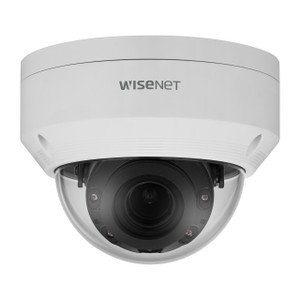
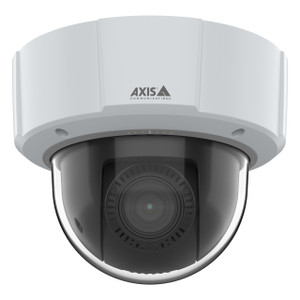
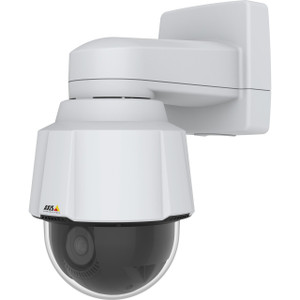
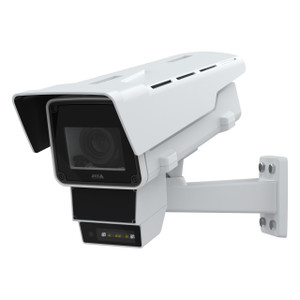
i-PRO WVCW594A PTZ Analog Camera Rain Resistant
Overview
The i-PRO WVCW594A is a pan-tilt-zoom analog camera designed for outdoor PTZ surveillance in environments where rain exposure is a concern. This model bridges legacy analog systems with outdoor durability requirements — deploy it where you need motorized pan, tilt, and zoom control without migrating to IP infrastructure, or as a field replacement in existing analog PTZ installations. The rain-resistant design means water spray and light precipitation won't compromise video continuity, a practical consideration for loading docks, parking structure ramps, or equipment yards where roofing is partial or absent.
Compatibility
The WVCW594A integrates with standard analog video surveillance systems using coaxial cable (RG-59 or equivalent) and 12V DC power delivery. It pairs with analog matrix switchers, multiplexers, DVRs, and hybrid NVR systems that accept composite or BNC video input. Control requires a compatible PTZ controller or matrix system supporting pan-tilt-zoom command protocols — confirm your existing matrix or control interface supports the command set before procurement. The camera outputs standard NTSC or PAL video (region dependent) and draws 12V DC power, so no separate power supply redesign is required if your analog system already has 12V distribution.
Installation Notes
Mount the WVCW594A on wall, ceiling, or pole using the supplied bracket — verify the mounting surface can withstand the weight and vibration load of a motorized PTZ mechanism. Coaxial cable runs should be kept under 1,000 feet for standard video quality; longer runs degrade signal. Ensure 12V DC power is sourced from a stable, regulated supply capable of handling inrush current during rapid pan or zoom cycles — undersized power can cause jitter or command delays. Rain-resistant does not mean submersible; keep the camera out of direct water streams and ensure drainage around cable entry points. Test pan, tilt, and zoom response after installation to verify PTZ controller communication before placing the camera into production.