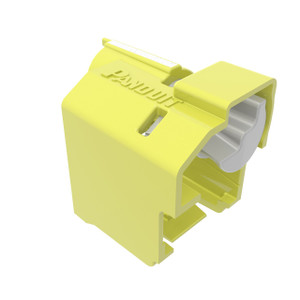
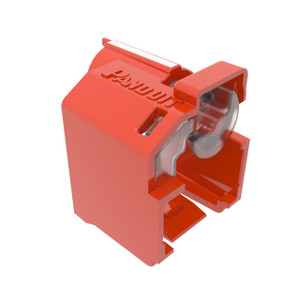
Panduit PSL-DCPLRE-YL-C Recessed Yellow Patch Cord Lock-In Device, 100-Pack
Overview
The Panduit PSL-DCPLRE-YL-C is a polycarbonate recessed lock-in device designed to physically secure patch cord connections at the jack, preventing unauthorized disconnection or accidental cable pulls in structured cabling environments. Where standard lock-in devices suit flush-mounted jacks, the recessed variant accounts for jacks that sit slightly deeper from the panel surface — the extended hood reaches in to engage the locking mechanism fully, something a flat-profile device cannot do reliably at depth. Each pack ships 100 yellow devices and five removal tools, making it practical to deploy across an entire patch panel run in a single order.
Yellow color-coding is the operational payoff here: in a densely populated network patch panel environment, yellow immediately distinguishes a locked, policy-governed connection from unlocked ports. Combined with other colors in the Panduit physical security line, you can build a color-coded port-control system that makes unauthorized changes visible at a glance during audits or incident response.
Key Features
- Recessed Design with Extended Hood: Standard lock-in devices assume the jack face is flush with the panel surface. When jacks are recessed even a few millimeters, a flat device either won't engage the latch or engages partially — a security gap. The PSL-DCPLRE-YL-C's extended hood bridges that offset and fully covers the locking tab, so the physical security hold is as firm as it would be on a flush-mount port.
- Polycarbonate Construction: Polycarbonate is the correct material for a device that will be seated and removed repeatedly over years in a data center or IDF closet. It resists cracking under the lateral stress of removal-tool operation and holds dimensional tolerance better than softer plastics, which matters when fit to the keystone jack geometry is what creates the lock.
- Yellow Color Identification: In multi-zone or multi-tenant environments, yellow can be assigned to a specific VLAN, security zone, or policy group. When every port in a zone is visually identical, an out-of-place cable — or a missing lock-in — is immediately detectable during a walk-through. Color discipline also speeds up troubleshooting: a technician instructed to work only on yellow-tagged ports has an unambiguous visual reference.
- 100 Devices per Pack, 5 Removal Tools Included: At 100 units per pack, PSL-DCPLRE-YL-C is sized for full panel deployments rather than spot repairs. The five included removal tools mean a small team can work a rack simultaneously without waiting on a single tool, and you have spares when inevitably one gets lost in a cable tray.
- Compact Form Factor (0.55 in W × 0.74 in H): At 13.9 mm × 18.7 mm, these devices fit within the standard keystone port footprint without blocking adjacent ports — a real concern in 24- or 48-port panels where port density is high and physical clearance is limited.
- Part of the Panduit Copper Systems Physical Security Ecosystem: PSL-DCPLRE-YL-C integrates with Panduit's broader cable management and physical security portfolio, including flat-profile lock-in variants and complementary keystone jack products, so you can standardize on one ecosystem across recessed and flush applications in the same facility.
Integration & Compatibility
The PSL-DCPLRE-YL-C is designed for use with Panduit patch panels and keystone jacks where the jack face is recessed below the panel surface. Before ordering, confirm whether your jacks are flush-mount or recessed — if they are flush, the standard (non-recessed) Panduit lock-in device is the correct fit; using the recessed version on a flush jack may result in a loose fit that defeats the locking purpose. The removal tool included is specific to this lock-in device family; standard Panduit lock-in removal tools for flat-profile devices are not interchangeable.
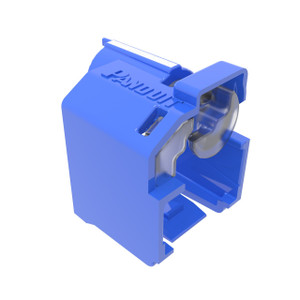
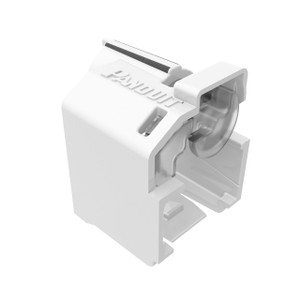
For structured cabling projects requiring port-level physical security across mixed jack types, it is worth mapping recessed versus flush ports before specifying quantities — the two variants are not interchangeable in the field. The yellow color coordinates with other PSL-series devices available in blue, red, green, and clear for multi-zone color-coding schemes.
What's in the Box
- 100x Panduit PSL-DCPLRE-YL-C recessed yellow lock-in devices
- 5x removal tools
Frequently Asked Questions
Q: What is the difference between the PSL-DCPLRE-YL-C and a standard (non-recessed) Panduit lock-in device?
A: The PSL-DCPLRE-YL-C is specifically designed for jacks that mount slightly deeper from the panel surface. It features an extended hood that reaches the locking tab on recessed jacks. Standard flat-profile lock-in devices are intended for flush-mounted jacks. Using the wrong variant can result in an insecure or non-functional lock — confirm your jack mounting depth before ordering.
Q: How many devices and removal tools come in a pack?
A: Each pack of PSL-DCPLRE-YL-C includes 100 yellow recessed lock-in devices and 5 removal tools. Carton quantity is 10 packs (1,000 devices total if ordering a full carton).
Q: What material are the PSL-DCPLRE-YL-C lock-in devices made from?
A: They are made from polycarbonate, which provides durability through repeated insertion and removal cycles while maintaining the dimensional accuracy needed to engage and hold the jack's locking tab reliably.
Q: Can I use the included removal tool with other Panduit lock-in device models?
A: The removal tools included are matched to the PSL-DCPLRE-YL-C recessed lock-in family. Removal tools for flat-profile lock-in devices are not interchangeable with recessed variants. Keep removal tools organized by device type to avoid field confusion.
Q: Why choose yellow specifically — can I mix colors in the same installation?
A: Yellow is one of several colors available in the Panduit PSL lock-in device line. Using multiple colors across an installation is a common and recommended practice for distinguishing security zones, VLANs, or port policies at a glance. Yellow is particularly visible in dense patch environments and is well-suited to highlighting high-priority or restricted connections.
Q: What are the physical dimensions of each lock-in device?
A: Each device measures 0.55 inches (13.9 mm) wide by 0.74 inches (18.7 mm) tall, fitting within the standard keystone port footprint without obstructing adjacent ports in high-density panels.
The PSL-DCPLRE-YL-C addresses a gap that catches integrators off guard: when a keystone jack sits recessed behind the panel face — even by a few millimeters — a standard flat lock-in device either misses the latch entirely or grips it so loosely that a firm tug defeats the lock. This device's extended hood eliminates that problem, and in my experience it's the detail that separates a compliant port-security deployment from one that looks secured but isn't.
Technical Highlights:
- Recessed-Specific Extended Hood: Designed exclusively for jacks mounted below the panel surface — the hood geometry physically cannot be substituted with the flat-profile PSL variant on recessed ports without compromising lock engagement.
- 100-Unit Pack with 5 Removal Tools: A full 100-device pack covers a standard 48-port panel twice over, and the 5 included tools mean multiple technicians can work a rack simultaneously — no serializing on a single key.
- Polycarbonate at 0.55 in × 0.74 in: The compact footprint keeps adjacent ports accessible in 24- or 48-port high-density panels, and polycarbonate holds its shape after hundreds of removal cycles without the creep you get from softer ABS alternatives.
Deployment Considerations:
- Audit jack mounting depth before specifying quantity — if you have a mix of flush and recessed jacks in the same installation, you will need both the recessed (PSL-DCPLRE-YL-C) and the standard flat-profile variant. Ordering only one type for a mixed-jack rack is the most common field error with this product family.
- The removal tools shipped with this pack are matched to the recessed form factor; they are not interchangeable with removal tools for flat-profile lock-in devices. Label and store them separately at the site to prevent a technician from stripping a recessed device with the wrong tool under deadline pressure.
PSL-DCPLRE-YL-C is best suited to data center MDA/HDA patch fields and IDF closets where recessed-jack panels are already deployed and a color-coded port-access policy is being enforced — yellow for a specific security zone, with other PSL colors covering remaining zones in the same row.