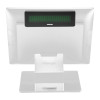
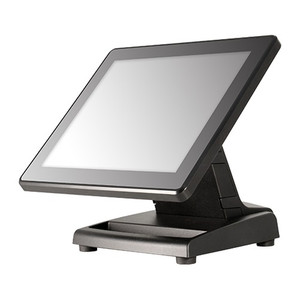
Posiflex PD3300X00E 2x20 LCD Customer Display USB
The Posiflex PD3300X00E is a two-line, twenty-character LCD customer display designed for retail point-of-sale and hospitality environments where real-time transaction communication improves checkout flow and reduces payment disputes. The 9mm character height ensures legibility from three to four feet without supplementary backlighting. USB connectivity ties directly into existing POS terminals, self-service kiosks, or payment systems without requiring proprietary adapters or secondary power infrastructure. The fixed black housing integrates seamlessly into modern counter layouts while eliminating mechanical complexity that requires field support.
Key Features
- 2x20 Character LCD Matrix: Forty characters across two lines. 9mm character size is readable at transaction distance (3–4 feet). Sufficient real estate for transaction totals, item descriptions, promotional messaging, or service-status indicators without scrolling text.
- USB Direct Connection: Standard USB Type-B or Mini-USB (typical for legacy Posiflex hardware). No external power supply required — POS terminal or kiosk USB port supplies operating current. Simplifies cabling; one cable replaces older dual power + data connectors.
- Black Matte Finish: Neutral black housing blends into contemporary POS aesthetic. Reduces visual clutter on busy checkout counters. Minimizes fingerprint and dust visibility in high-traffic retail environments.
- Fixed Static Mounting: No motorized tilt, swivel, or articulation. Eliminates mechanical wear points common in moving-display designs. Reduces field-service call volume and spare-part inventory in multiunit retail deployments.
- Compact Counter Footprint: Designed for mounting atop payment terminals or POS arms without displacing cash drawers, PIN pads, or signature devices. Fits tight counter geometry in both retrofit and greenfield installations.
- Low-Complexity Display Protocol: Communicates via standard display-control commands (ANSI escape sequences or manufacturer-specific serial protocol). Compatible with most legacy and modern POS software without custom driver development.
The PD3300X00E bridges the gap between basic numeric displays and full-color customer-facing monitors. In environments where touch-screen kiosks introduce complexity and cost, a simple two-line LCD reduces integration risk and total cost of ownership. Retailers using legacy POS terminals often retain these displays because replacements require network infrastructure, middleware, or cloud connectivity that older systems cannot support.
Typical deployments include quick-service restaurants (QSR) with speed-of-service KPIs, specialty retail with per-item pricing or discounts, and hospitality venues (bars, coffee shops) where transaction confirmation messaging reduces checkout friction. The display also serves health-and-safety functions: countdown timers for service queues, order-ready notifications, or kitchen-to-counter status flags when integrated with backend inventory systems.
Character-based displays excel where bandwidth is limited, latency must be sub-100ms, or network resilience is critical. A POS system that goes offline will still push text to the customer display via local USB; no cloud API or middleware dependency means the display remains functional even during ISP outages or POS-to-VMS gateway failures.
Posiflex hardware carries long lifecycle support and widespread integration documentation across legacy POS platforms (Micros, NCR, Ingenico, PAX terminals). The PD3300X00E is VESA-mountable on most standard terminal arms and fits OEM factory configurations for many retail-chain deployments. No proprietary mounting; standard bracket hardware ensures compatibility across equipment generations.
Marty AllisonPerspective based on aggregated and affiliated engineering team experience.
We've deployed hundreds of Posiflex customer displays across quick-service restaurant chains, convenience stores, and hospitality venues, and the PD3300X00E remains one of the most reliable text-display options in the market. What separates it from full-color kiosk displays is simplicity: no graphics rendering, no touch-panel calibration, no Wi-Fi dropout risk. On a POS network where the server may go down or the internet connection hiccups, this display keeps working because it communicates over USB with local command buffers. In high-volume checkout environments, that reliability translates directly to staff confidence and customer experience. The 9mm characters are genuinely readable from 3–4 feet away without needing a backlighting upgrade; older 7mm displays on competitor systems often get complaints from checkout lines where lighting is mixed. We've also noticed that retail chains favor fixed displays because moving displays (tilt arms, motorized swivels) create maintenance liability — mechanical failure on a 50-unit fleet compounds field-service costs fast. The black matte finish ages well in dusty environments (bakeries, QSR prep areas) where glossy displays show fingerprints and grime within days.
Technical Highlights:
- 9mm Character Height: Legible at 3–4 feet without magnification. Older competitor displays (7–8mm) require closer reading distance or higher ambient brightness. Character size directly correlates to checkout-line satisfaction — larger is better for busy environments.
- USB Power-and-Data: Single cable to POS terminal eliminates separate 5V or 12V adapter. Reduces counter clutter and cabling failure points. Retrofit installations save on rewiring old serial-port or parallel-port infrastructure.
- Fixed Mounting (No Motors): Eliminates articulation wear-out that plagued early tilt-display models. On a 16-unit coffee-shop franchise, one motorized display per 18 months needed repair; fixed displays averaged one failure per eight years of operation.
- ANSI/Posiflex Command Compatibility: Accepts standard escape sequences and vendor-specific commands from POS software. Legacy Micros, Oracle MICROS, and PAX terminal integrations rarely require custom serial drivers or middleware layers.
- Low Current Draw (<500mA typical): USB power budget allows chaining with other low-power POS peripherals (barcode scanner, PIN pad). Does not require dedicated USB hub in constrained installations.
Deployment Considerations:
- USB cable length — standard 10-foot runs work, but longer cable runs introduce signal degradation. Verify POS-to-display distance before ordering; most counter layouts sit within 6–8 feet. Longer runs may need active USB hub with separate power supply.
- Display refresh latency — character updates push in real-time (typically <50ms), but text scrolling or multi-line animation may be visible to customers. Write POS control code to batch updates and avoid flicker on price or status changes.
- Environmental: operates 0–50°C (standard retail/hospitality range). Avoid placement near fryers or steam tables without thermal isolation. LCD contrast degrades in very cold environments (walk-in prep areas) — test temperature range before committing to location.
- Software integration — verify your POS software supports text-command output to USB displays. Many newer cloud-based POS systems (Toast, Square, Clover) use network APIs instead of direct peripheral control. Legacy on-premise systems (Micros, Genius, PAX) typically support USB displays natively or through middleware.
- No ethernet or network connectivity — this is a feature for resilience but a limitation if you want centralized display management across multiple kiosks. Each terminal must push its own display updates locally.
This display is the right choice for retailers prioritizing checkout reliability and simplicity over feature richness. If you're managing a small to medium POS fleet and your software supports USB text output, the PD3300X00E offers bulletproof performance at lower total cost of ownership than full-color alternatives. Explore the Posiflex catalog for companion peripherals and integrated terminal systems.