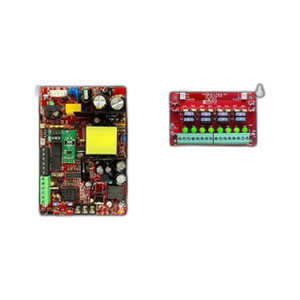
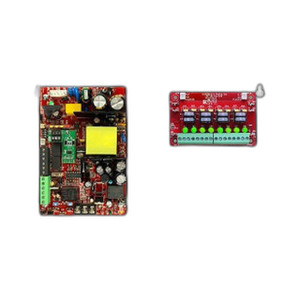
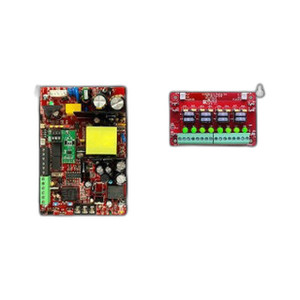
Lifesafety Power FPO75-D8E4P Supervised Power Supply
Overview
The FPO75-D8E4P is a 75-watt supervised power supply engineered for access control, alarm signaling, and distributed security loads where output monitoring and battery backup readiness matter. Supervision ensures each output is being drawn upon properly — a critical safeguard in unattended facilities where silent failures can go undetected. Deploy this in server closets, entrance vestibules, or central alarm hubs feeding multiple card readers, electric locks, or siren circuits.
Compatibility
The FPO75-D8E4P integrates into supervised power supply architectures supporting standard 12VDC and 24VDC security devices. Typical applications include multi-door access control nodes, alarm signaling circuits, and access control systems that mandate supervised distribution. Verify voltage and current requirements of your specific readers, locks, and signaling devices against the output ratings before deployment.
Key Specifications
Supervised outputs detect open circuits and load faults, alerting the control panel when a protected circuit is interrupted — critical in security applications where a severed reader wire must not go silent. Multiple outputs (8 available) reduce the need for secondary distribution panels and simplify wiring architecture in modular installations. Battery backup capable — the supply is designed to accept optional backup batteries, extending operation during AC loss so door locks remain powered through a brief outage or until a monitored alarm confirms the fault.
Installation Notes
Mount in an electrical enclosure with adequate ventilation; do not block vents or place directly against insulation. Wire primary AC input through a branch circuit breaker rated for the supply's full input current. Each supervised output should feed only one load family (e.g., all readers on one output, all locks on another) to prevent nuisance supervision faults from unrelated device failures. Consult the equipment's technical guide for exact DIN-rail clearance, fusing requirements, and battery connection procedures before commissioning.