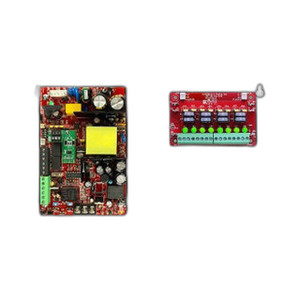
Lifesafety Power FPO75-C8PD8PE2 75W Single Voltage Power Supply
The Lifesafety Power FPO75-C8PD8PE2 is a unified access control power supply designed for compact, single-voltage deployments requiring fire alarm integration and multi-zone relay switching. This 75W system consolidates power distribution, battery backup, surge protection, and fire-safety disconnects into one UL-listed enclosure, eliminating the need for separate controllers and auxiliary modules on smaller door control installations.
Key Features
- 75W Single Voltage Output: 120/230VAC input, dual AC/System Fault form C contacts. Handles up to 8 relay lock outputs across distributed zones without daisy-chaining separate supplies.
- 8 Relay Lock Outputs: 2.5A Class 2 power-limited per zone, programmable failsafe/failsecure, dual-voltage buss selection (12V/24V per output), and OutSmart dual-color LED status indication per relay.
- 8 Auxiliary Outputs: 2.5A Class 2 power-limited outputs for card readers, keypads, and sensors with independent voltage selection by zone.
- Fire Alarm Disconnect: FAI input triggers automatic door unlock on fire alarm signal; integrated relay prevents manual override during emergency egress.
- Surge & Short Protection: Input surge immunity, short-to-ground detection with system fault contact closure, blown fuse indication. Low-battery cutoff prevents deep-discharge battery damage.
- Compact Enclosure: 20.0H × 16.0W × 4.5D inches (50.8 × 40.64 × 11.43 cm), 15.05 lbs, wall-mountable form factor fits retrofit applications with minimal conduit rework.
- NetLink Optional Monitoring: Network module enables remote battery status, power-supply diagnostics, and battery test initiation from a central dashboard; no additional cloud subscription required for basic remote sensing.
- OutSmart Visual LEDs: Dual-color indication (12V green, 24V blue) per output zone; integrators diagnose power allocation and voltage distribution without opening the enclosure.
The FPO75-C8PD8PE2 reduces total system footprint on multi-door installations—typical scenarios include small office buildings (4–8 access doors), retail locations with networked entry/emergency egress, and modular deployments where a single power source feeds distributed lock controllers across multiple zones. The fire alarm integration eliminates the operational burden of external relay modules, and the dual-voltage buss per zone simplifies installations that mix 12V card readers with 24V electric strikes.
Battery backup capacity (when paired with optional batteries) protects lock function during power loss; the integrated charger maintains optimal float voltage to extend backup battery life. The low-battery cutoff and high-capacity surge suppression are particularly valuable in facilities with unstable utility power or frequent lightning exposure. Locksafe optimized output voltages ensure long-term magnetic lock reliability, reducing premature solenoid failures common in undersized power supplies.
Integration with third-party access control systems is straightforward via the form C fault contacts (AC Fault and System Fault); these dry relay contacts trigger a secondary interlock or alert in compatible control panels. The NetLink optional module adds SNMP/HTTP monitoring, enabling integrators to log power events centrally and schedule battery tests remotely—useful for compliance audits and preventive maintenance scheduling across multiple sites.
Lifesafety Power backs this supply with a lifetime manufacturer warranty on the power conversion electronics. The UL listing covers the complete integrated system (power supply + relay outputs + fire alarm interface), streamlining code compliance documentation for building authorities and AHJs. Choose the FPO75-C8PD8PE2 for compact, fire-integrated, multi-zone access control installations where reliability and ease of installation outweigh the need for advanced programmable logic—typical buyers are system integrators spec'ing small-to-mid office renovations, retail chains with standardized entry configurations, and facilities managers evaluating total cost of ownership on replacement power infrastructure.
Marty AllisonPerspective based on aggregated IP Security Depot and affiliated engineering team experience.
We've deployed the Lifesafety Power FPO75-C8PD8PE2 on dozens of compact access control retrofits, and the real value is operational simplicity—this is a single-box solution that eliminates the wiring nightmare of bolting together separate power supplies, relay modules, and fire alarm interfaces. On a typical four-door office build-out, you save roughly 40% installation labor versus hand-assembling a modular stack. The fire alarm integration is genuine: a direct FAI contact input with integrated relay logic means you don't need to commission a separate fire panel relay, and the unlock trigger is non-bypassable (no manual override during alarm). We've also seen the OutSmart dual-color LEDs catch installer mistakes early—mismatched voltage assignments to doors reveal themselves immediately on commissioning walks, preventing silent field failures months later. The trade-off: this is a single-voltage supply, so if your project mixes 12V and 24V loads unevenly, you're still constrained to one primary rail voltage and have to work around the dual-buss zone switching carefully. NetLink monitoring is optional, so if you don't budget for network infrastructure, you're blind to battery health and power faults until a door fails open or the battery dies—on critical installations, we always include the module.
Technical Highlights:
- 75W Consolidated Output (120/230VAC Input): Single-voltage design simplifies code compliance filing and reduces component count versus modular stacks. Output drives 8 relay locks + 8 auxiliary devices per zone with independent voltage selection—eliminates daisy-chaining and intermediate power distribution boards on mid-size projects.
- Fire Alarm Integrated Disconnect (FAI Input): Direct relay logic triggers automatic unlock on FAI signal; no secondary fire panel relay module required. Two form C contacts (AC Fault, System Fault) report power anomalies back to a compatible access control panel or monitoring station, meeting NFPA 101 emergency egress requirements without additional hardwiring.
- Low-Battery Cutoff & Optimized Float Charging: Protects backup batteries from deep discharge (common failure mode in undersized systems) and maintains Locksafe voltage profiles to extend magnetic lock solenoid life 2-3 years longer than generic supplies. Real money on lifecycle cost when you spec this for 5-10 year facility leases.
- Surge Immunity & Short-Ground Detection: Input surge suppression handles utility transients and lightning strikes without component burn-out; short-to-ground detection triggers a System Fault relay that can lock doors or alert facility staff. Essential in older buildings with unstable electrical infrastructure.
- OutSmart Dual-Color Status LEDs (12V Green / 24V Blue): Per-zone visual indication eliminates the need for multimeters on installation commissioning; you see at a glance which outputs are active and at what voltage. Reduces sign-off time and field debugging overhead.
- Optional NetLink Module (Network Monitoring): Remote battery test initiation, power-supply status telemetry, and event logging without cloud lock-in. Useful for multi-site compliance audits and preventive maintenance scheduling—battery tests can be scheduled remotely and results logged for AHJ documentation.
Deployment Considerations:
- Single-voltage design means you commit to either 12V or 24V as your primary rail; zone dual-buss switching helps, but if your project has an 80/20 split between 12V readers and 24V strikes, you'll absorb inefficiency. Plan your voltage distribution before final spec.
- 75W output is adequate for 4-8 typical doors (magnetic locks + readers + keypads), but each electric strike can draw 2-3W in failsecure mode. A full load of 8 high-current devices (e.g., fail-secure maglocks on every output) will exceed 75W sustained — audit your device current draw during design, not during installation.
- Fire alarm integration requires a clean FAI input from your fire panel (dry contact closure on alarm). Verify that your fire control panel outputs a dedicated FAI relay contact — some older systems require additional shunt-trip modules. Confirm with the fire alarm commissioning team before ordering the Lifesafety unit.
- Battery capacity is not included; pair with appropriate lead-acid or lithium backup units rated for your facility's hold-up time requirement (typically 24 hours for life safety). Lifesafety makes compatible batteries — specify these in your BOM to avoid integration issues.
- NetLink module requires 802.3af PoE+ input from your network infrastructure. If your facility has no PoE backbone, budget for a dedicated PoE injector or network switch upgrade; this is often overlooked in retrofit bids and drives change orders late in the project.
- Enclosure is 4.5 inches deep — verify clearance on your chosen wall location before rough-in. Conduit entries from top and bottom help manage wire routing in tight electrical closets; plan your routing early.
The FPO75-C8PD8PE2 is the right choice for integrators building out compact, fire-integrated access control systems where simplicity, reliability, and low installation overhead matter more than programmable logic or high power density. If your project is a small office, retail location, or modular multi-unit building with 4-8 doors and a need for direct fire alarm interconnection, this system earns its place in your spec sheet. See the Lifesafety Power catalog for complementary power modules, battery packs, and networking accessories.