Lenovo 4XB7A93897 ThinkSystem 3.2TB U.2 NVMe PCIe 4.0 Mixed Use SSD
Overview
The Lenovo 4XB7A93897 is a 3.2TB hot-swap U.2 NVMe SSD designed for ThinkSystem server platforms running mixed read/write workloads — database transactions, virtualization I/O, and high-throughput analytics where latency and IOPS density matter more than raw sequential throughput. Built on a PCIe 4.0 x4 interface, it delivers nearly double the bandwidth ceiling of PCIe 3.0 predecessors without requiring a controller upgrade on compatible ThinkSystem nodes. If your storage bottleneck is random I/O on 4KB blocks, this is the tier to look at.
Key Features
- 900,000 Random Read IOPS (4KB): At 900K read IOPS, this drive handles the kind of queue depth that trips up mid-range enterprise SSDs under OLTP or heavy VDI workloads. That figure is at 4KB block size — the size that actually stress-tests a controller under real database conditions, not the inflated 128KB sequential numbers vendors use to make spec sheets look impressive.
- 307,000 Random Write IOPS (4KB): Write performance at 307K IOPS is competitive for a mixed-use designation. Mixed-use means the NAND endurance and write amplification are tuned for sustained write activity across a shift, not just burst writes. For log-heavy workloads (SQL Server transaction logs, time-series ingest), this matters — a read-optimized drive would throttle well below this under the same write load.
- 3.2TB Capacity: The 3.2TB point is a practical sweet spot for server slots with limited hot-swap bays. You get meaningful density without the cost premium of the highest-capacity tiers. In a 24-bay server chassis, 3.2TB drives can deliver over 76TB of raw NVMe storage — useful when your dataset outgrows SAS/SATA tiers but you're not ready for an all-flash array.
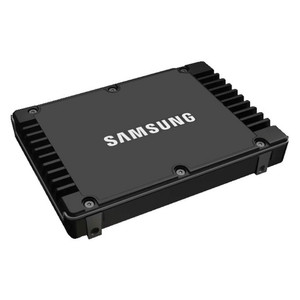
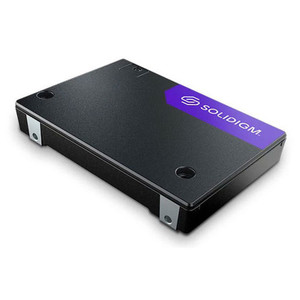
- U.2 Form Factor (2.5-inch hot-swap): U.2 is the enterprise NVMe form factor for a reason — it uses the same 2.5-inch bay footprint as SAS/SATA drives, so existing server trays, backplanes, and cabling infrastructure don't need replacement. Hot-swap capability means drive replacement during maintenance windows without taking the system offline, which matters in environments with uptime SLAs.
- PCIe 4.0 x4 Interface: PCIe 4.0 x4 provides up to 8 GB/s of raw interface bandwidth — enough headroom that the controller, not the bus, is the limiting factor. This also future-proofs the drive against platform upgrades: if you're deploying into a Gen 4 host now, you won't be swapping drives when you expand capacity later.
- NVMe Protocol: NVMe eliminates the SCSI command translation layer that throttles SAS/SATA SSDs. The result is lower latency and better queue depth handling — critical when dozens of VMs or database sessions are issuing concurrent I/O requests to the same physical drive.
- Multi-Vendor Compatibility: The multi-vendor designation indicates this drive is validated across supported ThinkSystem server generations, not locked to a single platform SKU. That reduces the risk of a drive becoming a compatibility dead end when you refresh server hardware.
Integration and Compatibility
The 4XB7A93897 is designed for Lenovo ThinkSystem server platforms that support U.2 NVMe hot-swap bays with PCIe 4.0 x4 backplane connectivity. Verify your specific ThinkSystem model's storage configuration guide before ordering — not all ThinkSystem nodes support PCIe 4.0 backplanes, and deploying a Gen 4 drive into a Gen 3 backplane will work but cap bandwidth at Gen 3 limits. For mixed-use workloads, pair with a ThinkSystem RAID adapter or HBA that supports NVMe passthrough or NVMe RAID configurations appropriate to your redundancy requirements. This drive is not intended for desktop workstations or consumer platforms — the U.2 connector and hot-swap tray require a compatible server chassis.
Frequently Asked Questions
Q: What server platforms is the Lenovo 4XB7A93897 compatible with?
A: The 4XB7A93897 is designed for Lenovo ThinkSystem server platforms with U.2 NVMe hot-swap bays and PCIe 4.0 x4 backplane support. Consult the Lenovo ThinkSystem compatibility matrix for your specific server model before ordering.
Q: What does 'mixed use' mean for this SSD compared to a read-optimized drive?
A: Mixed-use SSDs are tuned for sustained read and write activity, with higher NAND endurance ratings suited for workloads that include significant write operations — such as database transaction logs, virtualization I/O, and analytics ingest. A read-optimized drive would offer higher read IOPS but would throttle or wear faster under the same write loads.
Q: Will this drive work in a PCIe 3.0 server backplane?
A: Yes, PCIe is backward compatible — the 4XB7A93897 will operate in a PCIe 3.0 x4 backplane, but interface bandwidth will be limited to PCIe 3.0 speeds (approximately 4 GB/s versus 8 GB/s on PCIe 4.0). IOPS figures are specified for PCIe 4.0 operation.
Q: Is the U.2 form factor the same as M.2?
A: No. U.2 (also called SFF-8639) uses a 2.5-inch enterprise hot-swap form factor with a dedicated connector designed for server backplanes. M.2 is a smaller consumer/prosumer form factor not designed for hot-swap or enterprise chassis deployment. These are not interchangeable.
Q: Can this SSD be used in a workstation rather than a server?
A: The 4XB7A93897 is classified as a server/workstation component. While U.2 adapters exist for some high-end workstations, this drive is validated for ThinkSystem server environments. Deploying it in a consumer workstation without a compatible U.2 backplane is not a supported configuration.
The 4XB7A93897 sits in a specific performance bracket that I see underutilized — 900K random read IOPS at 4KB on a PCIe 4.0 x4 interface is enough to support demanding mixed read/write workloads without stepping up to the cost tier of write-intensive drives. If you're sizing storage for a ThinkSystem deployment running SQL Server, VMware, or a high-ingest analytics stack, this is the capacity and performance point I'd be specifying first.
Technical Highlights:
- 900K / 307K IOPS (4KB R/W): These are measured at the block size that actually matters for transactional workloads. Many competing drives quote IOPS at larger block sizes that flatter sequential performance — the 4KB figure here is the honest number to plan queue depth around.
- PCIe 4.0 x4 Interface: Doubles the bus bandwidth ceiling versus Gen 3, which means the controller isn't bottlenecked by the interface even under sustained high-queue-depth I/O. Relevant when you're running multiple VMs sharing the same physical drive.
- U.2 Hot-Swap at 3.2TB: The combination of U.2 hot-swap and 3.2TB capacity means you can replace a failed drive during a maintenance window without racking an outage — and at 3.2TB, you're not sacrificing meaningful density to get there.
Deployment Considerations:
- Verify PCIe 4.0 backplane support on your specific ThinkSystem node before provisioning — Gen 4 drives in Gen 3 backplanes will function but cap at Gen 3 bandwidth, which changes your I/O planning assumptions.
- Mixed-use endurance is higher than read-optimized but lower than write-intensive — if your workload is write-dominant (above roughly 50% writes sustained), evaluate whether a write-intensive SKU better matches the NAND endurance you need for the drive's operational life.
This drive is the right specification for ThinkSystem deployments running database or virtualization workloads at the 3.2TB tier — where you need proven random I/O performance, hot-swap serviceability, and a PCIe 4.0 interface without paying the premium for write-intensive endurance you won't use.