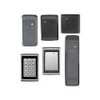
Honeywell OP30HONS OmniProx RF Proximity Reader
Overview
The Honeywell OP30HONS is a fixed-mount RF proximity reader designed for door mullion installation in physical security and building access control systems. This reader operates within the Honeywell OmniProx ecosystem and outputs credential data via the industry-standard SIA 26-bit Wiegand protocol. This wired design integrates directly into existing access control panels and electronic locks, making it a straightforward retrofit or new-build option for commercial, institutional, and light industrial facilities requiring proximity-based entry.
Key Features
- 26-Bit Wiegand Protocol Output: Transmits credential data in the SIA 26-bit format — widely supported by legacy and modern access control panels, so you won't face vendor lock-in or require protocol converters.
- Mullion-Mount Form Factor: Engineered for door frame installation, allowing the OP30HONS to sit flush with the door structure and present credentials to your panel without requiring a separate pedestal or wall-mounted enclosure.
- Card and Fob Compatibility: Works with both proximity cards and fobs within the OmniProx credential family — useful if you have mixed deployments or plan credential upgrades without replacing the reader hardware.
- Wired Connectivity: Powered and communicated via direct wiring to your access control panel, eliminating RF noise issues common in wireless readers and avoiding battery replacement maintenance.
- OmniProx Platform Integration: Designed as part of the Honeywell OmniProx access control platform, ensuring consistent credential encoding and management across your facility if you deploy multiple reader types.
- Standard Installation Path: Door frame preparation and wiring follow conventional access control practices — your integrator won't need specialized tools or training beyond basic door hardware knowledge.
Integration and Compatibility
The OP30HONS connects to any access control panel that accepts 26-bit Wiegand input. This includes most panel brands (Honeywell, 3xLOGIC, Salto, and others) that support the SIA standard. Credential assignment and access rules are managed through your panel's software or a connected management station — the reader itself is a passive input device. If your facility uses legacy 4-wire or other proprietary protocols, confirm compatibility with your panel documentation before ordering; the OP30HONS does not include protocol emulation or conversion.
Deployment Considerations
Mullion readers work best at doors with standard aluminum or steel frame preparation. Verify door thickness and frame width against the OP30HONS mounting template before installation. The wired design requires conduit or in-wall routing to your panel location — plan runs during rough-in if this is a new build, or budget for surface-mount conduit if retrofitting. Proximity readers have read range limits; test the OP30HONS at your intended mounting height during the pilot phase to confirm credential activation distance meets your occupancy flow expectations.
When to Choose a Different Model
If you need wireless operation to avoid conduit runs or eliminate wiring during retrofit projects, consider alternative proximity or smart-card readers in the OmniProx family. If your facility requires two-factor authentication or biometric integration, look to hybrid readers or multi-technology platforms that combine proximity with PIN or fingerprint. For outdoor or harsh-environment mounting, verify IP/IK ratings against your location; standard mullion readers assume indoor or covered-entry conditions.
Frequently Asked Questions
Q: Is the OP30HONS compatible with my existing Wiegand panel?
A: Yes, if your panel supports 26-bit Wiegand input — the SIA standard most panels implement. Check your panel documentation or contact your integrator to confirm before ordering.
Q: Can I use OP30HONS credentials interchangeably with other OmniProx readers?
A: Yes, credentials (cards and fobs) encoded for the OmniProx platform are recognized across compatible readers in the family. Confirm credential encoding format with Honeywell or your integrator during commissioning.
Q: What's the read range of the OP30HONS?
A: Proximity read distance depends on card type and antenna tuning. Test during installation to ensure credentials activate at your intended approach distance — typically 3 to 6 inches for standard cards in optimal mounting positions.
Q: Does the OP30HONS require a separate power supply?
A: Power and Wiegand signal are delivered via direct wiring to your access control panel. No PoE or external power supply is needed; your panel must provide the reader power connection as specified in the wiring diagram.
Q: Is the OP30HONS suitable for outdoor installations?
A: Mullion readers are designed for door-frame mounting indoors or under cover. If your entry is exposed to rain, direct sunlight, or temperature extremes, verify environmental ratings or consider a weather-rated reader variant.
Q: Can I integrate the OP30HONS with a mobile credential or cloud-based access system?
A: The OP30HONS is a standalone Wiegand reader; mobile credentials and cloud integration depend on your access control panel's capabilities. Discuss your panel software features with your system integrator or panel vendor.
Ted PerryPerspective based on aggregated IP Security Depot and affiliated engineering team experience.
The Honeywell OP30HONS is a no-surprises mullion reader — it does one job well and integrates into any Wiegand-compatible panel without protocol wrangling. The 26-bit SIA output is industry standard, which matters because it means you're not tied to Honeywell infrastructure downstream. I've seen facilities retrofit dozens of these into existing doors without replacing panels or retraining staff on new credential formats.
Technical Highlights:
- 26-Bit Wiegand Protocol: Guarantees compatibility with legacy and modern panels — no adapters, no firmware updates, no vendor calls. Credential data arrives at the panel in the format it expects, reducing commissioning time and risk.
- Mullion-Mount Design: Installs flush with the door frame, keeping readers out of sight and eliminating pedestal clutter. Mounting is mechanical, not electronic, so installation doesn't depend on network availability or software configuration.
- OmniProx Credential Family: If you're using Honeywell cards or fobs elsewhere, credentials work across the system — one credential matrix, multiple readers. Reduces credential lifecycle complexity.
Deployment Considerations:
- Wiring is Mandatory: This isn't a wireless reader — you need conduit or surface runs from the reader to the panel. Budget for both rough-in and trim time; plan accordingly on retrofit projects.
- Read Range is Limited: Proximity readers typically activate at 3–6 inches depending on card type and antenna tuning. Test on-site during commissioning; if credentials fail to activate at your preferred approach distance, you may need to adjust mounting height or card stock.
- Indoor/Covered Use Only: No data on IP or IK ratings in the available spec sheet — assume this is indoor or covered-entry only. If you have exterior mullion doors or harsh light exposure, verify environmental suitability before ordering.
Position the OP30HONS for large-scale deployments where you have panel infrastructure already in place and need reliable, standard-protocol credential capture with zero cloud dependencies. Ideal for multi-building campuses where each building has its own local panel and you want consistent reader hardware across sites.