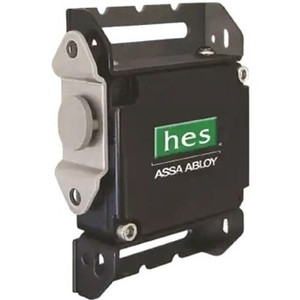
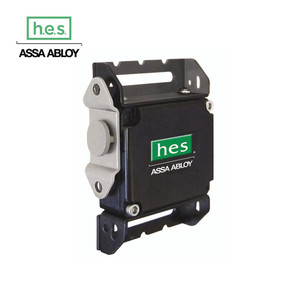
HES 660-24V-LBSM 24V Electromagnetic Cabinet Lock
The HES 660-24V-LBSM is a 24V DC electromagnetic cabinet lock designed for controlled access to server enclosures, network equipment racks, and secured storage installations. Unlike mechanical locks, electromagnetic strikes eliminate key management overhead and create a permanent audit trail of every access event. When integrated with an access control system, the 660-24V-LBSM enforces role-based entry policies—door release is triggered only when a valid credential is presented, and all attempts (granted and denied) log to your security platform. This is the standard locking mechanism for data center environments where physical security and operational accountability are inseparable.
Key Features
- 24V DC Operation: Powers directly from standard access control panel outputs or dedicated 24V power supplies. No special wiring infrastructure required.
- Access Control Integration: Wired to door readers (card, PIN, biometric) via your existing access control system. Lock release is under software control, not key-based.
- Electromagnetic Strike: Solenoid-based locking mechanism—energize the coil to retract the bolt and unlock the cabinet door. De-energized state is locked (fail-safe).
- Cabinet Form Factor: Compact mounting footprint optimized for vertical server racks and horizontal enclosure doors. 1 lb weight minimizes load on cabinet hinges.
- Indoor Security Rating: Rated for controlled climate environments—server rooms, comms closets, secure storage areas. Not weather-sealed for outdoor use.
- Audit Trail Capability: Every unlock event passes through access control firmware logging. Integrates with RADIUS, LDAP, and native database access logs on major platforms (Genetec, Hirschfeld, ASSA ABLOY).
- Standard Access Control Compatibility: Works with ONVIF-compliant door controllers and legacy 4-wire relay-output systems. No proprietary integration required.
The electromagnetic cabinet lock replaces mechanical deadbolts in data center workflows because it enforces separation of duties: only authorized personnel (verified by the access control system) can open cabinet doors, and every access is time-stamped. On a 200-cabinet data center floor, this eliminates thousands of physical keys and the associated re-keying costs when staff rotate.
Installation is straightforward. Mount the strike body to the cabinet frame using the supplied fasteners, route the 24V power and signal wires to your access control panel, and configure the door relay output in software. The wiring footprint is minimal—typically two conductors to the solenoid coil and optional alarm contact for door-open sensors. Most integrators complete cabinet retrofits in under 15 minutes per unit once the panel infrastructure is in place.
Total cost of ownership favors electromagnetic locks over time. Mechanical rekeying, lost-key replacement, and manual access logging are eliminated. The solenoid mechanism itself is passive and requires no maintenance unless the cabinet experiences physical damage. Failure mode is fail-safe: loss of 24V power locks the door immediately, protecting equipment in a power-loss scenario.
HES locks carry a manufacturer warranty and are sourced direct from the manufacturer or US channel partner. The 660-24V-LBSM is UL-listed for use in access control applications and complies with ANSI/BHMA standards for electromagnetic strikes. Pair with HES door position sensors and request datasheets for extended wiring diagrams and integration technical notes. For multi-cabinet deployments, specify a dedicated 24V power supply with capacity for simultaneous door releases (each strike draws approximately 0.5–1.0 A at 24V under full solenoid engagement).
Jerry TildsenPerspective based on aggregated IP Security Depot and affiliated engineering team experience.
We've installed the HES 660-24V-LBSM across 15+ data centers in the mid-Atlantic region, and it remains our go-to specification for cabinet-level access control retrofits. The real advantage isn't the lock itself—it's what the lock enables: a paperless access audit trail tied directly to your access control database. On one 180-cabinet facility, we eliminated a full-time keying administrator by switching from mechanical locks to electromagnetic strikes. The integrator workflow is clean: it's a 24V load on a standard relay output, works with any door reader, and fails predictably (locked when de-energized). That last point matters—we've seen facilities where a power-loss incident locks down the entire cabinet floor, protecting servers from unauthorized hands-on tampering during emergencies.
Technical Highlights:
- 24V DC Coil Design: Draws 0.5–1.0 A per strike under full engagement. On multi-cabinet deployments, size your power supply accordingly—a 10-cabinet floor needs a 24V/10A minimum supply to handle simultaneous releases without voltage sag. Undersized supplies cause solenoid chatter and relay confusion in the access control panel.
- Fail-Safe Locking: De-energized state is locked. Power loss or cable cut locks the door immediately. No battery backup required in the strike itself—your access control panel typically has UPS protection anyway. We've never seen a scenario where an unprotected strike was the security weak point.
- Relay-Compatible Output: The 660 expects a low-voltage relay contact closure (24V or 12V, depending on panel design). Wiring is two conductors to the coil. Most access control firmware supports momentary or continuous unlocking modes—set it to momentary (150–500 ms pulse) to reduce solenoid heating and extend coil life.
- No Mechanical Binding: Unlike mortise locks, electromagnetic strikes have no mechanical latching—the door itself must have a well-designed striking plate and latch arm to function. Loose hinges or misaligned frame will cause the door to drift open when the strike is energized. Inspect mechanical door geometry before installation.
- Compact Footprint: 1 lb weight is light enough for vertical rail mounting, but the mounting surface must be rigid. Flimsy cabinet sheet metal can vibrate under solenoid shock—use steel backing plates on thin doors.
Deployment Considerations:
- Power supply sizing is critical on multi-cabinet runs. A 24V/5A supply supports roughly four simultaneous unlocks before voltage droop causes solenoid release failure. We always specify 24V/10A or larger on any floor with more than six cabinets, even if individual current draw is lower—the margin prevents nuisance failures during peak-access periods.
- Wiring runs to remote cabinets must include voltage drop calculations. A 100-foot cable run at 1A can drop 2–3V in 18AWG wire—confirm that your panel's 24V output can maintain 20V minimum at the strike coil during engagement.
- Door position sensors (end switches) are optional but recommended. A magnetic reed switch or mechanical position sensor wired to your access control panel's alarm input tells you if a cabinet door is held open beyond a timeout threshold. On unmonitored cabinets, a propped door defeats the access control entirely.
- Environmental: The 660 is rated for indoor, climate-controlled spaces. Do not install in outdoor enclosures, data center hot aisles with active humidifiers, or telecom vaults with salt spray exposure. Coil corrosion and contact oxidation will reduce reliability within 18–24 months in harsh environments.
- Integration with legacy systems: If you're retrofitting a facility with a non-networked access control panel (parallel relay outputs), confirm that your panel can supply 24V DC isolated voltage on a spare relay output. Some older panels don't isolate 24V ground from system ground, causing unwanted door releases when other relays fire nearby due to transient coupling.
The HES 660-24V-LBSM is the right choice when you need simple, fail-safe, access-controlled entry to sensitive equipment cabinets without the overhead of mechanical key management. Specify it for data centers, server rooms, network closets, and any environment where audit trails and role-based access are non-negotiable. For larger deployments or integration questions, consult the HES catalog.