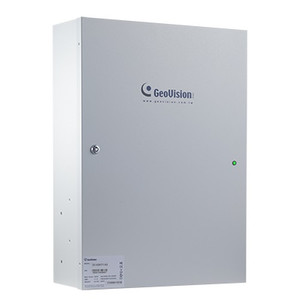
Geovision 84-SNR161W-001U 16-Channel Standalone NVR
Overview
The Geovision 84-SNR161W-001U (GV-SNVR1611) is a 16-channel standalone network video recorder designed for professional surveillance installations where centralized recording and playback must run independently—without a separate PC or VMS infrastructure. This unit handles real-time ingest from 16 IP cameras simultaneously, supports local archival storage, and delivers playback control across small to medium deployments: retail locations, warehouse facilities, control rooms, or distributed multi-site operations that require recorder autonomy at each location. The 84-SNR161W-001U eliminates the dependency on software licenses and dedicated server hardware, making it a practical choice for integrators provisioning fixed-location recording without enterprise VMS complexity.
Compatibility
Integrates with standard IP camera networks via ONVIF-compliant protocols. Compatible with professional-grade IP cameras across multiple manufacturers—Geovision, Axis, Hikvision, and other ONVIF-compliant models—connected over standard Ethernet infrastructure. The system accommodates DVR-NVR cable topology, useful in retrofit scenarios where legacy and modern camera streams coexist on the same network segment. Bandwidth consumption at 1080p/30fps H.264 compression typically ranges 20–40 Mbps aggregate across 16 cameras, sitting comfortably within standard gigabit switching capacity. Verify your network switch's total PoE budget against your camera power mix; each connected camera draws PoE power from your switch, and aggregate load must not exceed the switch's rated power delivery.
Installation Notes
Mount the unit in a control room, server closet, or 19-inch equipment rack using standard mounting brackets or wall-mounted enclosure hardware. Connect all 16 IP cameras via PoE-enabled network switches. Configure the recorder's IP address statically to avoid DHCP-driven connectivity loss in always-on environments. For mission-critical deployments, provision redundant network paths or secondary NIC cards to maintain recording continuity during switch or uplink failure. Ensure adequate ventilation around the unit to prevent thermal throttling during sustained 24/7 recording operations.