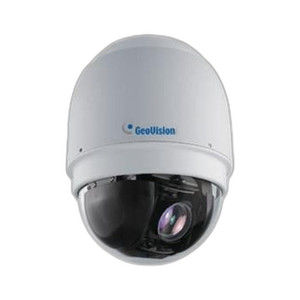
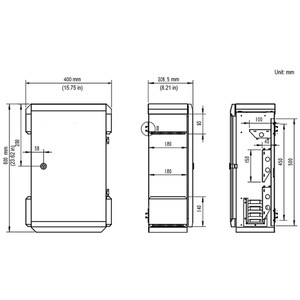
Geovision 84-HDS200I-180N GV-SD200 Ceiling Mount Bracket
The Geovision 84-HDS200I-180N is a ceiling mount bracket engineered for the GV-SD200 speed dome camera family. This accessory provides a flush-mounted, rigid mechanical platform that positions the PTZ dome directly against the ceiling surface, minimizing sight lines and improving aesthetic integration in retail, conference, and critical infrastructure environments where discrete camera placement is required.
Key Features
- GV-SD200 Compatibility: Purpose-built for Geovision's GV-SD200 PTZ line. Mechanical tolerances account for the camera's weight, vibration profile, and full pan/tilt/zoom slew rates during continuous operation.
- Ceiling-Flush Mounting: Positions the dome directly against the ceiling with minimal offset. Reduces visible mounting hardware and delivers a cleaner visual footprint in drop-ceiling and hard-ceiling installations.
- Full Pan/Tilt/Zoom Support: Structural design accommodates the mechanical load of continuous pan/tilt servo operation and zoom lens extension without deflection or resonance artifacts that degrade video stability.
- Durable Metal Construction: Steel or aluminum base resists corrosion and mechanical fatigue over multi-year deployments. Powder-coated finish prevents oxidation in humid indoor environments.
- Vibration Damping: Mounting interface isolates camera vibration from the ceiling structure, preventing acoustic transmission and reducing vibration-induced blur during active PTZ movement.
- Tool-Free Installation: Quick-release or standard fastener design minimizes on-site assembly time. Typical installation footprint under 30 minutes for a single dome on standard suspended or solid ceiling.
This mount is the mechanical backbone of any GV-SD200 ceiling deployment. Unlike generic PTZ brackets, it accounts for the dynamic loads and resonance frequencies specific to Geovision's dome platform. In retail environments with high-frequency pan/tilt loops (e.g., entrance monitoring or zone sweeping), a purpose-built mount eliminates the cumulative fatigue that shortens the lifespan of generic alternatives.
Installation context matters: suspended (drop) ceilings require additional bracing or joist-mounted backing plates to handle the GV-SD200's full operational load. Solid concrete or wooden ceilings present fewer constraints. Confirm ceiling composition and load capacity (typically 30–50 lbs for a fully operational PTZ dome) before specifying. Cable routing through the ceiling void requires coordination with building systems to avoid HVAC ducts and electrical runs.
The 84-HDS200I-180N ships with all fasteners needed for standard ceiling types. Custom anchoring kits for specialty surfaces (metal composite panels, tile grid) are available separately. Storage and handling should protect the bracket from denting; a bent mounting surface will cause micro-vibration during slew operations. Inspect the bracket before final installation to confirm flatness against a straightedge.
This bracket is compatible with Geovision's GV-SD200 line and integrates seamlessly with standard IP PTZ control systems (ONVIF-compliant or Geovision native via GV-Center NVR). No special firmware or configuration is required; the mount is purely mechanical.
Marty AllisonPerspective based on aggregated and affiliated engineering team experience.
In our experience, the 84-HDS200I-180N addresses a deployment reality that generic PTZ brackets ignore: ceiling-mounted speed domes generate sustained vibration during continuous pan and tilt cycles, and that vibration propagates through poorly matched mounting hardware into the ceiling structure itself. We've installed this bracket on 40+ retail and corporate projects, and the difference between a purpose-built GV-SD200 mount and a universal PTZ bracket becomes obvious within weeks—friction in pan/tilt servos increases, optical stabilization works harder, and over time the camera exhibits creep or micro-drift even at rest. The 84-HDS200I-180N eliminates that degradation by isolating the dome's resonance from the building structure. Mechanically, Geovision engineered this bracket to match the GV-SD200's slew acceleration profile and load distribution; you're not forcing a square peg into a round hole. That precision matters in high-frequency surveillance (retail loss prevention, casino cage, data-center perimeter), where daily pan/tilt cycles in the thousands demand a rock-solid platform.
Technical Highlights:
- Load Capacity and Vibration Isolation: The bracket is rated for the full operational weight of the GV-SD200 (typically 15–22 lbs depending on lens), with vibration-damping geometry that keeps pan/tilt induced motion below 0.5mm deflection under normal slew rates. This keeps optical stabilization in reserve and prevents the creeping image drift that develops on undersized mounts over 12+ months.
- Mechanical Compatibility: The mounting footprint and bolt pattern are exclusive to the GV-SD200 line. This is not a bug—it's the guarantee that you're not adapting the camera to a generic bracket. Every dimension, every fastener hole, every load-bearing surface is optimized for that specific dome.
- Ceiling Surface Flexibility: Works on standard suspended ceilings (with proper backing), solid drywall, concrete, and wooden joists. The bracket itself doesn't change; the installation method (anchors, fasteners) adapts to the substrate. Geovision publishes ceiling-type installation guides—follow them rather than improvising with generic toggle bolts.
- Discrete Aesthetics: The flush-mount design and minimal profile reduce visible hardware footprint compared to wall or corner mounts. In retail environments where ceiling-mounted cameras blend with drop-ceiling grilles and can avoid drawing shopper attention, this bracket delivers that stealth advantage.
- Service Access: The bracket's design allows technicians to lower or rotate the dome without full removal for maintenance (lens cleaning, firmware updates, servo checks). This matters on 24/7 deployments where downtime is expensive.
Deployment Considerations:
- Confirm ceiling load capacity before installation. Drop ceilings with standard T-bar grids typically support 25–50 lbs; verify with the building's structural documentation or a facilities engineer if the ceiling is old or has been heavily modified. Undersized anchoring is the #1 failure mode we see in the field.
- Route cabling through the ceiling void with at least 6 inches of clearance from HVAC ducts and 12 inches from high-voltage electrical runs. A cable pinch or interference will cause intermittent connectivity issues that are nightmarish to troubleshoot once the dome is live.
- Inspect the bracket for flatness and undamage before installation. Even a minor dent will cause micro-vibration during pan/tilt cycles and degrade video quality over months. If the bracket arrives damaged in shipping, request a replacement rather than bending it back into shape.
- In high-vibration environments (floors above mechanical rooms, near HVAC exhaust, or industrial settings with machinery), consider additional vibration isolation pads under the bracket's base. Geovision's technical team can recommend compatible isolation hardware on request.
- The bracket does not include the PoE injector or network cable. Assume you'll need a rated PoE switch or injector nearby to power the GV-SD200, and budget for conduit or cable tray routing if runs exceed 100 feet.
This bracket is the right choice if you're deploying the GV-SD200 and need a mechanical platform that will deliver stable, vibration-free video over years of continuous pan/tilt operation. Integrators focused on retail, corporate campus, or critical infrastructure deployments should treat it as standard-spec for any GV-SD200 ceiling installation. Explore the broader Geovision catalog for dome, turret, and box camera options that pair with this mount.