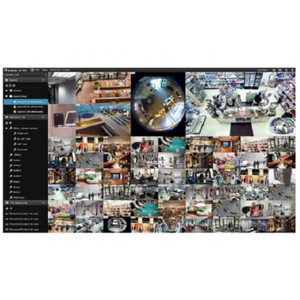
Geovision 210-NR032-000 NVR for Third-Party IP Cameras
Overview
The Geovision 210-NR032-000 is a 32-channel network video recorder designed to ingest and manage third-party IP surveillance cameras over TCP/IP networks. Unlike DVR systems that require dedicated coaxial infrastructure, this NVR captures audio and video data from standard IP devices, making it the right choice when you have a mixed-vendor environment or need to expand an existing surveillance system without ripping out camera wiring. It delivers the same management capabilities as GeoVision's own camera line but with full third-party device support — useful in retrofit or integration scenarios where camera brand lock-in is not acceptable.
Compatibility
The 210-NR032-000 supports up to 32 channels of third-party IP devices via standard TCP/IP network connections. It is compatible with any ONVIF-compliant IP camera or NVR system that can stream video over Ethernet. This includes cameras from major manufacturers (Axis, Hikvision, Dahua, Bosch, Pelco, and others) as long as they adhere to ONVIF standards or expose standard streaming protocols. The system can also operate with GeoVision's own GV-series cameras, allowing you to mix brands in a single deployment. Verify ONVIF Profile S or T support on your third-party cameras to ensure seamless integration; some legacy or proprietary implementations may require custom codec drivers or configuration.
Installation Notes
The NVR connects to your network via standard Ethernet and draws power from PoE (802.3af) or a dedicated power supply, depending on configuration. Deploy it on a managed network segment with adequate bandwidth — each IP camera stream consumes roughly 1–8 Mbps depending on resolution, frame rate, and compression codec (H.265 reduces load compared to H.264). Ensure your network switch can handle the aggregate throughput and that NTP time synchronization is configured on the NVR and all cameras for consistent event logging and clip alignment. If recording 24/7 across 32 channels, factor in storage capacity and retention policy — higher frame rates and lower compression increase disk space demands significantly.