
Dome Camera Covers and Weather Protection Buyer's Guide
Dome camera covers — the clear or tinted bubble that protects the camera lens — are consumables that need periodic replacement and proper specification. This guide covers when to replace, clear vs tinted selection, vandal-resistant options, and how to match replacement bubbles to your existing cameras.
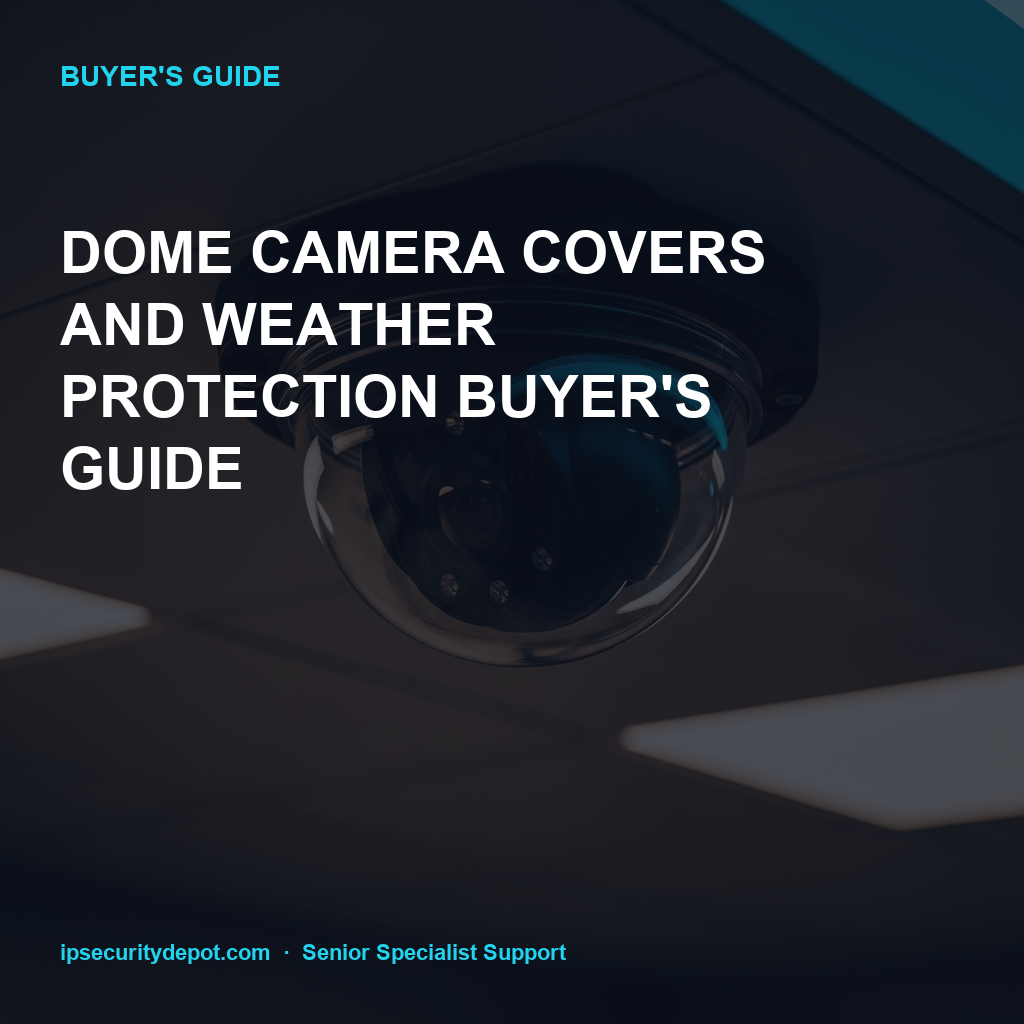
- Dome covers crack from UV degradation, impact, and thermal cycling — plan replacement every 5-8 years
- Clear bubbles preserve image quality; tinted (smoked) bubbles hide the camera angle but cost about 1 f-stop of light
- Vandal-rated covers (IK10, polycarbonate) survive most field-impact damage; acrylic is cheaper but cracks easier
- Always order replacement covers in matched OEM part numbers — generic bubbles often distort the image or fail UV testing
What dome covers do
Dome camera covers serve four jobs:
- Protect the lens from physical damage — vandalism, debris, weather
- Conceal the lens angle — tinted bubbles make it harder to know where the camera is pointing
- Seal the housing — the bubble is the front face of the IP-rated enclosure
- Preserve IR performance — bubble material affects IR transmission for night vision
The most common reasons people search for replacement dome covers: hailstorm damage, vandalism, UV yellowing (especially in southern climates), repaint or building renovation projects, and switching between clear and tinted for aesthetics.
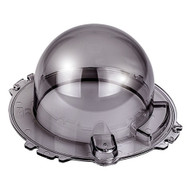
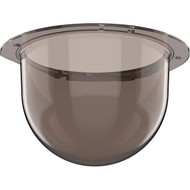
Recommended replacement covers
Brand-specific bubbles
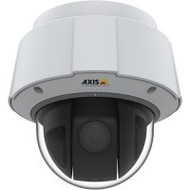
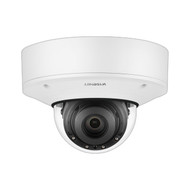
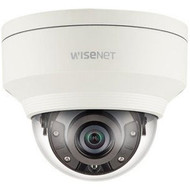
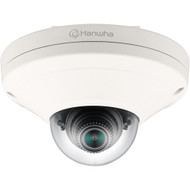
Brand-specific replacement bubbles for the major camera lines:
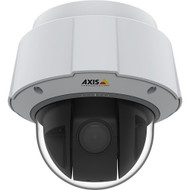
Complete replacement domes
If your dome housing itself is damaged beyond bubble replacement, complete domes:
Clear vs. tinted
Clear vs. tinted selection
| Decision | Clear | Tinted (smoked) |
|---|---|---|
| Image quality | Best | Loses ~1 f-stop |
| Conceal aiming angle | Camera angle visible | Hides angle effectively |
| Low-light performance | Best | Degraded — avoid for night use |
| Aesthetics on white ceilings | Less obtrusive | More visible |
| Aesthetics on dark ceilings | Bubble stands out | Blends with dark ceilings |
| Best use | Most installations | Casinos, retail, high-aesthetic |
Material selection
Material selection
Three materials cover most dome bubbles:
- Polycarbonate. Highest impact resistance (IK10 capable), best vandal protection. UV-stabilized polycarbonate also lasts longer in outdoor sun exposure. Higher cost.
- Acrylic. Lower cost, sharper optical clarity in new condition. Cracks more easily on impact. Yellows in sun within 2-4 years. Reserved for indoor or sheltered outdoor use.
- Tempered glass. Best optical clarity, no UV degradation. Heavier, more expensive. Used on premium fixed-dome PTZ cameras and some industrial cameras.
Replacement steps
Replacement installation steps
- Confirm the OEM part number matches your camera. Generic equivalents often have different mounting geometry or UV ratings.
- Power down the camera before removing the bubble to avoid lens shifting or focus drift.
- Inspect and clean the gasket around the bubble seat — old or damaged gaskets cause water ingress.
- Apply silicone grease to the new gasket before reseating (only if the OEM specifies).
- Torque any retaining screws to OEM spec — usually 3-5 in-lbs. Over-torqueing cracks polycarbonate bubbles.
- Power the camera back on and verify focus is unchanged. Some cameras refocus automatically; others need a manual remote refocus.
- Verify IR illuminator performance at night — wrong-material bubbles distort or block IR.
Frequently asked questions
- How often should I plan to replace dome covers?
- Indoor: 8-12 years or until physical damage. Outdoor sheltered: 6-8 years. Outdoor exposed (south-facing, intense UV): 4-6 years. Coastal salt exposure speeds degradation by 25-50%. Inspect annually and replace any bubble with visible yellowing, scratches deep enough to affect image, or cracks of any size.
- Can I use a different brand's dome cover on my camera?
- Sometimes works mechanically but often fails optically. Different brands use different bubble curvatures, refractive indexes, and IR coatings. A swap may cause focus drift, IR halo, or image distortion. Match OEM where possible. For older discontinued cameras, third-party replacements from reputable suppliers (Pelco, Axis aftermarket, Hanwha aftermarket) are usually safe.
- Will a tinted dome cover affect my IR night vision?
- Most tinted bubbles for IR-capable cameras are IR-transparent — they block visible light but pass infrared. Verify the spec sheet says "IR-transparent" or "IR-pass" before installing. Standard automotive-style tint will block IR and ruin night performance.
- What's the difference between a dome cover and a dome housing?
- The dome cover (bubble) is the clear front portion that contains the lens. The dome housing is the complete unit including the back-plate, gasket, mounting bracket, and bubble. Most cameras let you replace just the bubble. Some cheaper designs require replacing the complete housing if the bubble is damaged.
- Are vandal-resistant covers worth the cost?
- For any camera installed below 10 feet, yes. The cost difference is typically 30-60% premium over standard polycarbonate. Vandal-rated IK10 covers survive most impacts that crack standard bubbles. For high-mount cameras (15+ feet), standard polycarbonate is sufficient since impacts are unlikely.
Need help finding the right cover?
Send us the camera model number or a photo of the existing dome and our team will track down the correct replacement bubble — often same-day from inventory.
Find the right cover Browse all covers