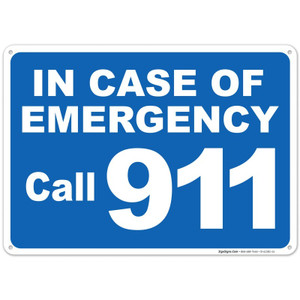
Code Blue 40090 10in Emergency Graphic Display 2-Pack
The Code Blue 40090 is a replacement and expansion graphic display panel designed for integration with Code Blue paging amplifier systems. This 2-pack delivers two 10-inch white emergency graphic panels rated for 12-24V DC operation, making them suitable for multi-zone emergency notification deployments, redundant display configurations, or simple replacement of damaged units in existing installations. The graphic format supports visual emergency messaging alongside audio paging, extending communication reach to populations that may not hear or respond to audio alerts alone.
Key Features
- 10-Inch Display Size: Large-format panel ensures visibility from significant distances in hallways, lobbies, and outdoor common areas.
- Emergency White Graphics: High-contrast white panel design for immediate visual recognition during emergency conditions.
- 2-Pack Configuration: Two units per order support multi-location installations, redundant messaging zones, or staggered replacement cycles without additional procurement.
- 12-24V DC Power: Wide voltage range compatibility with standard Code Blue paging amplifier systems eliminates separate power conditioning.
- Replacement and Expansion Ready: Functions as drop-in replacement for existing damaged panels or as expansion units for growing emergency notification networks.
- Graphic Messaging Standard: Supports visual emergency directives (evacuation, shelter-in-place, all-clear) synchronized with audio announcements.
Code Blue paging amplifier systems integrate audio and visual emergency messaging into unified networks that reach occupants across multiple communication channels. In facilities where background noise, hearing impairment, or language diversity present barriers to audio-only notification, the addition of graphic display panels bridges comprehension gaps. A hospital ward, manufacturing floor, or outdoor campus can deploy these panels in stairwells, exits, and assembly points to reinforce audio directives without adding separate communication pathways.
The 12-24V DC operating range reflects standard distributed paging infrastructure; most installations run panels in parallel clusters from a single amplifier output or through low-voltage switching relay banks. Two panels per order reduce the friction of purchasing and stock management — integrators can position one as a primary unit and one as a field-spare, or deploy both in a two-zone building immediately. Replacement cycles are often driven by physical damage (impact, environmental exposure) rather than component failure, so maintaining inventory of 2-packs ensures minimal downtime when a panel requires swap-out.
Code Blue graphic displays are typically wired in parallel chains from a paging amplifier output or emergency alert controller. Standard installation involves low-voltage conduit runs to mounting locations (walls, ceiling soffits) and connection to the 12-24V distribution bus. No special drivers, software, or network integration is required — the panels light on command from the amplifier relay output. This simplicity has made graphic paging a standard feature in healthcare, education, and industrial facilities where IT infrastructure may be sparse or where air-gapped emergency systems are mandated.
This product integrates seamlessly with Code Blue amplifier platforms and is compatible with facilities running legacy paging systems as well as modern IP-hybridized emergency networks. No third-party certifications or compliance dependencies apply to the panel itself; compliance responsibility falls to the amplifier system and facility emergency plan. Installers should verify panel mounting hardware (typically included or field-sourced) and confirm voltage delivery at the panel terminals before energizing the system.
Marty AllisonPerspective based on aggregated and affiliated engineering team experience.
In our experience, emergency graphic displays are the overlooked workhorse of any distributed paging installation. We've deployed Code Blue 40090 panels across hospital campuses, university buildings, and data centers where audio-alone notification misses occupants in high-noise environments or fails to reach hearing-impaired staff. The 10-inch format strikes the right balance — visible from 30-40 feet in a corridor, but not so large that it requires custom mounting or creates visual clutter. The two-pack bundling is practical: most facilities that invest in graphic paging think in terms of zones or wings, not single rooms. Having two panels on hand means you can pilot the technology (test placement, wiring, integration with the paging controller) in one zone, then deploy the second immediately or keep it as a spare. We've seen integrators order three to five 2-packs for a 10-20 zone facility and achieve coverage without the friction of single-unit purchasing.
The real deployment value hinges on proper integration with the Code Blue amplifier's relay output. Some installers treat graphic panels as an afterthought — wire them last, worst mounting location — and then wonder why they're ineffective. The best practices we've documented: (1) mount panels at natural eye level or slightly above (5-7 feet), (2) locate them at decision points (exits, stairwells, assembly areas), and (3) ensure the panel relay output is latched (held live) for 2-3 seconds during announcements so occupants have time to read before the panel clears. This requires a small relay module or delay timer in the amplifier output chain, but it's standard integrator practice.
Technical Highlights:
- 12-24V DC Range: Accommodates both legacy 24V distributed systems and newer hybrid installations running lower voltages. Eliminates step-down transformer requirements in most facility environments.
- White Graphic Panel: High contrast against typical institutional wall colors (beige, gray, white) ensures legibility under fluorescent and LED lighting without color-rendering dependencies.
- 2-Pack Delivery: Reduces procurement overhead and aligns with typical zone-based installation patterns — one primary, one redundant or adjacent-zone unit.
- Simple Wiring: Parallel connection to amplifier relay output — no addressing, no programming, no network dependency. Field installers with basic low-voltage experience can deploy without specialized training.
- No Firmware or Software: Zero update or compatibility risk with legacy paging infrastructure or IP-hybrid emergency systems.
Deployment Considerations:
- Verify amplifier relay output voltage (12-24V) before connecting panels; some older systems may deliver lower voltage at distance, requiring verification at the panel terminal under load.
- Mount panels in pairs or clusters for redundancy — single point failure of one panel should not leave a zone without visual notification. Parallel wiring ensures both panels light simultaneously from one relay output.
- Test panel visibility from occupant sightlines under actual lighting conditions (day and night if location is 24/7). 10-inch format is effective in corridors but may be undersized in large atriums or outdoor areas.
- Confirm mounting hardware inventory — some facilities use custom angle brackets or surface-mounted conduit. Coordinate mounting details with the Code Blue documentation or prior installations at the site.
- Integrate panel relay timing with audio announcement timing — a 2-3 second hold ensures occupants register the message. Adjust in the amplifier logic or relay module if occupants miss the visual cue.
The Code Blue 40090 is the right choice for facilities that already run Code Blue audio paging infrastructure and recognize that visual emergency messaging closes a communication gap. Site architects and integrators managing emergency notification overhauls across hospitals, universities, and multi-building industrial complexes should treat graphic panels as a baseline component, not an optional add-on. Explore the full range of Code Blue paging and notification components via the Code Blue catalog.