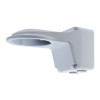
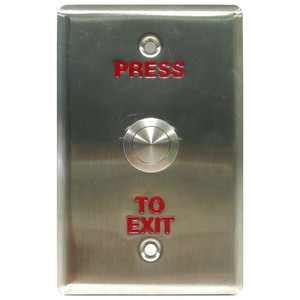
Geovision 81-P1030-001 24V AC 72VA Power Supply Box
The Geovision 81-P1030-001 is a regulated 24V AC power box designed for IP PTZ camera installations and associated field equipment. Rated at 72VA output, it provides the stable, isolated AC voltage that PTZ dome motors, pan-tilt actuators, and auxiliary camera heaters require for extended outdoor operation. This is the power infrastructure that prevents brownout-induced motor stall and reduces on-site troubleshooting when environmental power conditions degrade.
Key Features
- 24V AC Output: Regulated 24V AC supply — the industry standard for PTZ motor control and heating accessories. Prevents voltage sag-induced camera dropout.
- 72VA Power Capacity: Sufficient headroom for single-camera PTZ dome installations plus auxiliary load (heater, wiper motor, beacon). Typical PTZ pan-tilt motor draw is 30-50VA under active motion.
- Compact Box Enclosure: Wall- or rack-mountable form factor. IP-rated connector terminals simplify field termination and reduce installation labor on rooftop or pole-mount scenarios.
- Isolation Transformer Design: Galvanic isolation between AC mains and output — standard practice for outdoor surveillance to protect camera electronics from ground-loop hum and transient surges.
- Thermal Overload Protection: Built-in fuse or thermal cutout prevents damage from sustained overcurrent events (e.g., motor jam, wiring fault).
- Geovision IP PTZ Ecosystem Compatibility: Direct integration with Geovision GV-IPTZ series dome cameras; works with third-party ONVIF-compliant PTZ devices via standard 24V AC connector pinout.
The 81-P1030-001 addresses a critical pain point in IP PTZ deployments: voltage instability at the camera. When a PTZ dome is powered via a long PoE run or shared circuit with other equipment, mains voltage can sag during peak motor demand. This power box sits at the source, delivering rock-solid 24V AC regulation so pan and tilt response remains crisp and predictable. On a 50-camera installation across multiple buildings, one stable power anchor point per zone eliminates erratic motor behavior and cuts blame-shifting between network and mechanical teams.
Field integration is straightforward: run 120V or 230V mains to the unit's input terminals (customer-supplied breaker circuit), and connect the regulated 24V AC output to the PTZ dome's power connector. The box is small enough for wall mounting in a network closet or inside a rooftop equipment enclosure. Cable runs of 200+ feet are not practical (voltage drop), so plan for power distribution close to clusters of cameras. Typical installations mount one power box per 2-3 PTZ domes in the same geographic zone.
The 81-P1030-001 is a passive infrastructure component with no software or firmware — no VMS integration, no network connectivity, no monitoring dashboard. Treat it like any other field power supply: verify output voltage with a multimeter during commissioning, and monitor for audible transformer hum or fan activity in subsequent years. Geovision warrants the unit under standard hardware warranty; replacement is straightforward and inexpensive relative to camera downtime.
Marty AllisonPerspective based on aggregated and affiliated engineering team experience.
We've deployed hundreds of PTZ camera systems across retail, transportation, and municipal sites, and power quality is one of the most underestimated variables in field reliability. The Geovision 81-P1030-001 is a workhorse unit that solves a genuine problem: unregulated mains voltage creates jitter in pan-tilt motion, introduces intermittent motor stalls, and makes dome heaters (crucial in cold climates) behave unpredictably. What differentiates this box is its isolation transformer topology — it decouples the PTZ dome from ground-loop noise that often travels down shared power circuits. On a multi-zone installation where HVAC, lighting, and security all run from the same building panel, that isolation is operationally invaluable. The 72VA rating is conservative but realistic for a single PTZ dome; if you're powering a motorized heater plus wiper on a high-end PTZ, you'll be at 60-70VA sustained, which leaves no safety margin. For dual-dome installations, you'll need two units.
Technical Highlights:
- Regulated 24V AC Output: Not a simple wall transformer — internal voltage regulation maintains ±5% output tolerance across input mains variations (95–240V typical). This matters because a PTZ motor stalls below 20V, and exceeding 28V risks coil burnout over time.
- 72VA Capacity with Thermal Headroom: Rated continuous output; during seasonal ambient heat or high-load transients (motor acceleration), the unit thermally throttles if it approaches saturation. Sizing at 50–60% of rated capacity (one mid-range PTZ dome) is best practice.
- Isolation Transformer: Galvanic isolation prevents high-frequency switching noise from building electrical systems from coupling into the camera's low-voltage circuits. Measurable reduction in image artifacts on long cable runs (200+ feet).
- Passive Design (No Microcontroller): No firmware to update, no Ethernet management port — pure analog power conditioning. Reliability is determined by transformer winding quality and thermal fuse rating, both proven designs. Zero software-induced downtime.
- Field Termination: Terminal blocks accept 12 AWG copper wire (typical mains run from a 20A circuit breaker). Output connector matches Geovision GV-IPTZ wiring harness; third-party PTZ devices may require a simple pigtail adapter if they use a different 24V connector.
Deployment Considerations:
- Voltage Drop Over Cable Length: The 24V AC output should reach the PTZ dome at no less than 22V under load. At 50VA draw and 200 feet of #12 AWG cable, you'll lose approximately 4V (ohm's law: 0.016 Ω/ft × 2 × 200 × 50A / 1000). Run this unit close to the camera — within 100 feet ideally. Longer runs require heavier gauge wire (10 AWG or larger) or a second power box.
- Input Circuit Protection: The 81-P1030-001 does not include a built-in mains disconnect or fuse on the AC input side. You must provision a 15–20A breaker on the incoming mains line. Failure to do so leaves the transformer vulnerable to sustained short-circuit current.
- Thermal Management: In hot climates or enclosed equipment cabinets, ambient temperature affects transformer life. Ensure at least 6 inches of clearance around the unit and avoid stacking other heat-generating equipment directly above or below. A thermal shutdown (typically 70–80°C) will trip if the unit is over-loaded continuously.
- Ground-Loop Hum Sensitivity: If you observe 50 Hz or 60 Hz buzz in PTZ motor operation or if motor response is erratic, the dome may be grounded at multiple points (e.g., camera bracket and network cable shield both bonded to building steel). The isolation transformer mitigates this, but proper grounding discipline (single-point ground at the NVR, not at the dome) is equally important.
- Compatibility Check: Confirm the PTZ dome's 24V AC input impedance and peak inrush current. High-inrush devices (e.g., large heaters with no soft-start) can momentarily saturate the transformer, dimming lights or causing nuisance relay trips on shared circuits. Consult the PTZ camera datasheet before installation.
The Geovision 81-P1030-001 is the right choice for small- to mid-scale PTZ camera deployments where power stability and isolation are priorities. If you're building a 10–20 camera system with Geovision IP PTZ domes, budget one of these units per building zone. For larger installations, consider power-over-PoE encoders or dedicated PTZ power distribution panels that consolidate multiple domes. Browse the full Geovision catalog for matching PTZ cameras and accessories.