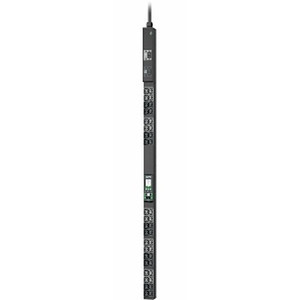
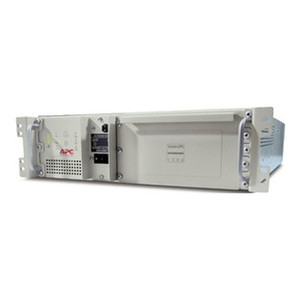
APC by Schneider Electric GVSBT4 Galaxy VS Smart Modular Battery String
Overview
The GVSBT4 is a 120 V smart modular battery string designed exclusively for the APC by Schneider Electric Galaxy VS UPS platform. Weighing in at 238.10 lb (108 kg) and housed in an enclosed battery cabinet, this is a purpose-built runtime extension module — not a generic add-on battery. If you're deploying or expanding a Galaxy VS system and need verifiable, factory-integrated battery capacity, the GVSBT4 is the supported path to do it without compromising the UPS's monitoring architecture or voiding manufacturer warranty coverage.
For data center engineers and facility managers running Galaxy VS units in UPS battery modules configurations, modular battery strings like this one are how you tune runtime to actual load requirements rather than over-specifying the base UPS unit. The cabinet-enclosed format keeps your battery infrastructure orderly in raised-floor or open-rack deployments where cable management and physical security both matter.
Key Features
- 120 V Battery String Voltage: The GVSBT4 operates at 120 V, matching the Galaxy VS internal bus — this isn't a field-configurable spec, it's a hard compatibility requirement. Drop in a mismatched voltage module and the UPS won't recognize it. This unit integrates cleanly because it's built to that exact spec.
- Galaxy VS Platform Exclusivity: Range compatibility is limited to the Galaxy VS product family. That specificity is a feature, not a limitation — it means the battery management electronics, communication protocols, and charging algorithms are tuned to this UPS architecture. Runtime estimates and battery health monitoring remain accurate, which matters when you're calculating SLA coverage windows.
- 238.10 lb (108 kg) Enclosed Cabinet Form Factor: The cabinet enclosure isn't just sheet metal — it provides physical protection for the cells, contains any thermal event, and mounts discretely alongside the Galaxy VS frame. At 238 lb, floor load planning is non-negotiable: verify your raised floor tile ratings or concrete slab specs before positioning. The 6.18 in (15.7 cm) dimensional profile keeps the footprint tight in constrained equipment rooms.
- Modular String Architecture: The "string" designation means this module slots into the Galaxy VS's modular battery framework, allowing incremental runtime expansion without replacing or reconfiguring existing battery infrastructure. Add strings as load grows — this is the right approach for data center power environments where capacity planning happens in phases rather than all at once.
- Smart Monitoring Integration: The "Smart" designation indicates active communication with the Galaxy VS UPS — battery state, charge cycles, and health data feed back to the UPS management layer. That telemetry is what makes predictive replacement possible, rather than discovering a failed battery string during an actual outage.
- Factory-New Cells, Genuine Hardware: Sourced factory-new with genuine APC cells matched to Galaxy VS charging profiles. Third-party or grey-market batteries in a managed UPS string degrade telemetry accuracy and can trigger nuisance alarms or suppress real fault alerts — neither outcome is acceptable in a production environment.
Integration & Compatibility
The GVSBT4 is compatible exclusively with the Galaxy VS UPS range. Before ordering, confirm your Galaxy VS model supports external battery string expansion and that your installation environment meets the physical requirements — specifically floor loading capacity for a 238 lb module and adequate clearance for the enclosed cabinet footprint. Consult the Galaxy VS installation and configuration documentation to verify maximum supported battery string count per UPS chassis, as exceeding that limit affects charging and runtime calculation accuracy.
For facility planners working through a UPS power planning exercise, factor in that each additional battery string changes the recharge time after a discharge event — a relevant consideration in environments with frequent short outages where full recharge between events matters for next-event coverage.
Frequently Asked Questions
Q: Is the GVSBT4 compatible with APC UPS models outside the Galaxy VS range?
A: No. The GVSBT4 is specified for the Galaxy VS range only. Using it with other APC UPS families is not a supported configuration and may prevent proper battery recognition and monitoring.
Q: What is the battery string voltage for the GVSBT4?
A: The GVSBT4 operates at 120 V, matching the Galaxy VS internal battery bus architecture.
Q: How much does the GVSBT4 weigh, and what are the floor loading implications?
A: The GVSBT4 weighs 238.10 lb (108 kg). Floor loading must be verified before installation — raised floor tile ratings and structural load capacity should be confirmed with your facilities team prior to positioning the module.
Q: Can multiple GVSBT4 modules be added to a single Galaxy VS UPS?
A: The Galaxy VS supports modular battery string expansion, but the maximum number of supported strings depends on the specific Galaxy VS chassis model. Consult the Galaxy VS configuration documentation or contact a pre-sales engineer to confirm the supported string count for your unit before ordering multiple modules.
Q: What does "smart" mean in the context of the GVSBT4?
A: The smart designation indicates the module communicates battery health, charge state, and cycle data back to the Galaxy VS UPS management system, enabling predictive battery maintenance rather than reactive replacement after a failure event.
The GVSBT4 is a 120 V enclosed battery string for the Galaxy VS platform — at 238.10 lb, it's the kind of module that changes your installation sequence, not just your runtime numbers. The physical weight is the first thing to plan around before the electrical specs even come into the conversation.
Technical Highlights:
- 120 V Bus Match: The GVSBT4 strings at the Galaxy VS's native 120 V battery bus — no configuration required, no voltage adapter needed. The UPS recognizes it immediately and folds it into runtime and recharge calculations without manual tuning.
- Enclosed Cabinet Design: The enclosed form factor at 6.18 in (15.7 cm) profile keeps battery infrastructure organized in tight equipment rooms and provides a containment boundary if a cell event occurs — not a spec that shows up in runtime tables, but relevant for any facility with hot-aisle containment or insurance requirements around battery storage.
- Smart Telemetry Integration: The smart designation delivers real battery health and cycle data to the Galaxy VS management layer. In practice that means your battery replacement schedule is driven by actual cell condition rather than a fixed calendar interval — important when you're managing multiple strings across a large UPS deployment.
Deployment Considerations:
- At 238.10 lb (108 kg), position the GVSBT4 before bringing adjacent equipment online — moving a battery string of this weight in a live rack row is a real logistics problem. Floor tile weight ratings in raised-floor environments need to be verified against the concentrated load footprint, not just the distributed average.
- Maximum supported battery string count is a Galaxy VS chassis-specific limit. Order quantity should be confirmed against the specific Galaxy VS model in your installation — exceeding the supported string count affects charging accuracy and runtime predictions, not just aesthetics.
The GVSBT4 is the right module for a Galaxy VS deployment where runtime requirements have grown since initial commissioning — data centers adding higher-density compute loads, or facilities that initially under-specified battery capacity against a conservative load estimate that turned out to be wrong.