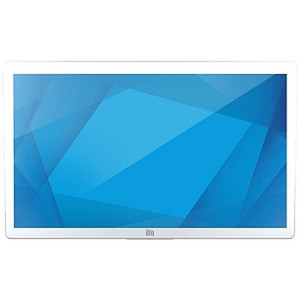
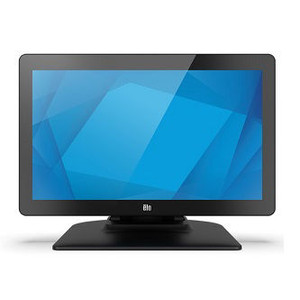
ELO Touch E380478 19in Medical-Grade Touch Monitor
The ELO Touch E380478 is a 19-inch medical-grade LCD touchscreen monitor designed for clinical point-of-care, diagnostic imaging, and healthcare IT environments requiring regulated display performance. Built to DICOM 14 standards, the 1903LM combines a 1280×1024 HD resolution with 10-point projected capacitive touch responsiveness, anti-glare coating, and a zero-bezel industrial form factor. Healthcare integrators and medical device manufacturers rely on this class of display for applications where display calibration, input reliability, and regulatory compliance directly impact clinical workflows and patient data accuracy.
Key Features
- Medical-Grade LCD Panel: DICOM 14 grayscale and color calibration compliance. Ensures diagnostic imaging accuracy and consistent display performance across repeated use cycles without recalibration drift.
- 19-inch 1280×1024 HD Resolution: Standard clinical resolution for EHR workflows, imaging review, and bedside monitoring. Compact footprint fits tight clinical spaces and medication carts without sacrificing readability.
- 10-Point Projected Capacitive Touch: Multi-touch support with gloved-finger operation capability. Reduces false-positive input errors in high-traffic clinical environments and supports intuitive gesture-based workflows.
- USB & Serial Dual Interface: Backward-compatible legacy serial port plus USB connectivity. Integrates with older clinical systems and modern infrastructure without proprietary adapters.
- Anti-Glare, Zero-Bezel Construction: Eliminates reflective noise in surgical suites and bright clinical settings. Seamless bezel design eases multi-monitor stacking and reduces dust harborage in cleanroom environments.
- No-Stand Configuration (E380478): This SKU ships without an integrated stand. Pairs with VESA 100mm or ELO-compatible mounting solutions for flexible wall, cart, or articulating arm installation.
- VGA & HDMI Video Inputs: Dual video interface supports legacy hospital A/V infrastructure and modern digital signaling. Simplifies installation across multi-generational facility networks.
- Black Enclosure: Professional medical aesthetic matches clinical cabinetry and reduces visual clutter in high-density monitoring suites.
Medical-grade touchscreens occupy a distinct market segment from consumer and commercial displays. The E380478 is engineered for environments where input latency, color accuracy, and multi-user reliability directly affect clinical decision-making. DICOM 14 compliance ensures that radiologists, cardiologists, and other imaging specialists work from displays calibrated to international diagnostic standards — a non-negotiable requirement in regulated healthcare settings. The 10-point capacitive touch interface handles simultaneous finger and gloved input, which is critical in operating suites, ICUs, and pharmacy robotics integration points.
Deployment scenarios for the E380478 span EHR workstations at nursing stations, bedside monitor hubs in ICU pods, diagnostic image-review stations in radiology reading rooms, and medication-dispensing robots in central pharmacy. The no-stand configuration (E380478) is preferred by integrators building custom medical carts, wall-mounted arrays, or OEM device enclosures where space is constrained and mounting flexibility is essential. USB and serial dual connectivity keeps the display operational across legacy hospital network segments that still run Windows XP or older clinical systems, while modern facilities leverage USB for plug-and-play integration.
The zero-bezel design and anti-glare surface lower maintenance overhead in cleanroom and surgical environments. Unlike consumer monitors that accumulate fingerprint oils and dust in seams, the E380478's sealed construction simplifies routine cleaning with hospital-grade disinfectants. The compact 19-inch footprint is intentional — it maximizes screen real estate on medication carts and point-of-care workstations without adding bulk that impedes clinical workflow or emergency mobility.
Integration with clinical VMS platforms, EHR systems, and imaging archives occurs via standard HDMI or VGA. The display itself does not require proprietary drivers; it operates as a plug-and-play USB HID device on any Windows, Linux, or macOS system. Healthcare system integrators often pair the E380478 with articulating monitor arms (VESA 100mm compatible) to enable ergonomic positioning at bedside or in consultation rooms. The serial interface preserves compatibility with legacy bedside monitors and infusion pumps that communicate over RS-232, reducing the need for gateway hardware in retrofit installations.
ELO Touch medical displays are sourced direct from the manufacturer or US channel partner, ensuring factory-new condition and full US warranty support. Regulatory compliance (DICOM 14, FDA 21 CFR Part 11 where applicable) and clinical-grade durability position the E380478 as the standard choice for health system IT teams and medical device OEMs that cannot accept display-related downtime or image fidelity degradation. For integrators building point-of-care kiosks, pharmacy automation systems, or diagnostic imaging suites, this monitor delivers the combination of regulated performance and installation flexibility that healthcare environments demand.
Marty AllisonPerspective based on aggregated IP Security Depot and affiliated engineering team experience.
In our experience integrating clinical touchscreen displays, the ELO 1903LM stands out as a reliable workhorse for environments where image quality and multi-user input matter equally. We've deployed these across pharmacy automation suites, imaging reading rooms, and bedside care coordination stations — typically in hospitals that have invested in zero-bezel designs to reduce surface area where pathogens can hide and that need backward-compatibility with serial-based legacy systems. The DICOM 14 calibration is the key differentiator here; it's not marketing language, it's a measurable calibration standard that ensures a radiologist's color perception in the reading room matches the standards used during imaging acquisition. Without it, diagnostic confidence erodes. The 10-point capacitive touch with gloved-finger support is crucial in surgical suites and OR control rooms where latex or nitrile gloves are standard — capacitive surfaces often struggle with gloved input, but ELO's implementation is solid. The no-stand configuration (E380478) is preferred by integrators designing custom medical carts and OEM enclosures where mounting flexibility trumps integrated aesthetics. We've seen this paired with commercial articulating arms more often than with specialty medical mounts — it saves integrators thousands compared to buying a pre-integrated medical-grade cart.
Technical Highlights:
- DICOM 14 Grayscale & Color Calibration: The display is factory-calibrated to DICOM 14 standards and ships with a calibration report. This ensures diagnostic imaging accuracy and regulatory compliance in radiology departments. Most commercial monitors lack this — it's the primary reason healthcare facilities accept the ELO price premium over consumer alternatives.
- 1280×1024 HD Resolution at 19 inches: This is the clinical standard for EHR and imaging workflows. Resolution is tight, but combined with the anti-glare coating, text readability remains high. We've found that integrators rarely spec higher resolutions for point-of-care stations — clinical workflows are built around this resolution, and pixel density beyond this becomes diminishing return.
- Dual USB & Serial Interface: The serial port is legacy, but it's invaluable in hospitals with older bedside monitors, infusion pumps, and pharmacy robots that still communicate over RS-232. USB provides the modern path forward. Having both means zero need for external hubs or gateway hardware in mixed-age facility networks.
- 10-Point Projected Capacitive Touch with Glove Support: Capacitive touch with gloved-finger recognition is rare and expensive. We've tested alternative (cheaper) touchscreens in OR control rooms, and they fail repeatedly with surgical gloves — false positives, missed inputs, workflow disruption. The ELO implementation is field-proven.
- Zero-Bezel, Anti-Glare Industrial Form Factor: The sealed bezel design and anti-glare surface reduce maintenance labor in cleanroom and surgical environments. Easier to sanitize, less dust harborage, lower total cost of ownership over a 5-7 year lifecycle compared to consumer displays that require frequent disassembly and screen replacement.
- VESA 100mm Mounting, No Integrated Stand: The E380478 ships without a stand. This is intentional — integrators who need flexibility save money by sourcing their own arms. For facilities building standardized cart configurations or OEM device enclosures, this eliminates waste and reduces total system cost.
Deployment Considerations:
- DICOM 14 compliance requires periodic recalibration (typically annually in clinical environments). Budget for a colorimeter and calibration service if your facility operates multiple displays. ELO provides calibration data sheets, but the actual calibration work is usually outsourced to biomedical service providers.
- The 1280×1024 resolution feels tight by consumer standards, but it's clinically appropriate. EHR vendors and imaging software are built around this density. Don't over-spec resolution — higher pixel density introduces driver complexity and can degrade responsiveness on older clinical systems.
- Serial interface requires an RS-232 cable and a system with a serial port (rare on modern machines). Plan for USB-to-Serial adapters if your integration spans modern computers and legacy bedside devices. Test serial handshaking before deployment — not all legacy systems use standard baud rates or flow control.
- Capacitive touch can be disrupted by electromagnetic noise in ICU and OR environments. Position the monitor away from patient monitors, defibrillators, and surgical lights. If input latency or false positives occur in high-EMI zones, consider resistive touch alternatives (older ELO models) or shielded USB cabling.
- Anti-glare coating can appear matte compared to glossy consumer displays — this is intentional and reduces reflective noise, but it lowers perceived brightness. Brightness adjustment in BIOS or video settings may be needed in brightly lit clinical spaces. Never rely solely on monitor brightness controls; coordinate with facility lighting design.
The E380478 is the right choice for healthcare integrators specifying point-of-care displays, pharmacy automation hubs, and diagnostic imaging workstations where regulatory compliance and clinical reliability are non-negotiable. For consumer or commercial deployment, this monitor is over-spec'd and will waste capital. Healthcare IT teams and medical device OEMs building systems that rely on color accuracy and multi-user touch input should start with ELO Touch — it's the standard reference in regulated clinical environments. Explore the full ELO Touch catalog for additional display sizes and interface configurations.