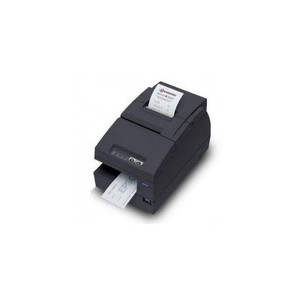
Epson C31CL27042A2 Wi-Fi Receipt Printer
Overview
The Epson C31CL27042A2 is a compact, Wi-Fi-enabled receipt printer designed for point-of-sale and hospitality environments where wireless connectivity eliminates installation complexity without sacrificing compatibility with legacy systems. This inkjet-based printer delivers 600 dpi output, making it suitable for retailers, restaurants, and service businesses that need portable or network-distributed print capability across multiple terminals without dedicated parallel or serial cabling. The C31CL27042A2 factory configuration includes AC power, parallel interface capability, PostScript support, and EDG (Edge Graphics) media handling—a combination that bridges wireless deployment with existing POS infrastructure.
Key Features
- Wi-Fi Connectivity: Network-based printing eliminates dedicated parallel or serial cabling runs, reducing physical infrastructure costs and enabling faster printer relocation or replacement when upgrading store layouts or terminal locations.
- 600 dpi Inkjet Resolution: High-resolution output ensures crisp, legible text and graphics on receipts and promotional labels—important for barcode scannability and customer-facing receipt clarity. Inkjet avoids the media-type constraints of thermal printing, so you're not locked into special receipt stock.
- Dual Media Support (Labels and Receipts): Single device handles both commodity paper stock and specialty label media without media-sensor recalibration—a practical advantage in mixed retail environments where receipt printers also handle shelf labels, parking tickets, or kitchen labels.
- Parallel Interface (P02II) Option: AC-powered with parallel interface support for backward compatibility with legacy POS hardware, reducing forced hardware replacement during phased system upgrades.
- PostScript Support: Modern receipt design software and template engines rely on PostScript for vector-based graphics and complex layouts. PostScript compatibility ensures your receipt designer's output renders correctly without driver customization or bitmap workarounds.
- EDG (Edge Graphics) Media Handling: Edge-detected media guidance improves feed reliability and reduces jams when handling varied label and receipt stock—meaningful in high-volume environments where media jam recovery costs labor and downtime.
- Compact Form Factor: Minimal countertop footprint suits space-constrained retail and hospitality environments, particularly coffee shops, fast-casual restaurants, or small-footprint retail kiosks where real estate is premium.
Integration and Compatibility
The C31CL27042A2 integrates directly into Wi-Fi networks, eliminating the need for dedicated cabling to individual POS terminals or back-office systems. This wireless deployment model is particularly valuable for cloud-based ordering systems, mobile POS terminals, or multi-location retailers where physical cabling introduces complexity and cost. The combination of Wi-Fi connectivity and parallel interface (P02II) support means the C31CL27042A2 works in environments running either legacy POS hardware or modern cloud-based systems—a hybrid positioning that makes gradual infrastructure upgrades feasible without orphaning existing equipment.
AC power configuration supports typical retail electrical infrastructure without requiring external power supplies or UPS integration, though you'll want to confirm outlet placement during site surveys to avoid extension cords across customer areas. PostScript support ensures compatibility with major POS software packages and receipt template engines, reducing integration testing and driver customization overhead.
When to Choose a Different Model
If your environment requires high-speed batch label printing (100+ labels per minute), consider a dedicated thermal label printer in the Epson industrial range—inkjet throughput is slower and media costs higher for high-volume label runs. If you need Ethernet wired connectivity as a fallback to Wi-Fi, or if your POS system lacks wireless capability entirely, a traditional parallel or USB receipt printer may be more straightforward. For outdoor-mounted or industrial warehouse label applications, skip the C31CL27042A2 and evaluate ruggedized thermal alternatives with IP67 enclosures and extended operating temperatures.
Frequently Asked Questions
Q: Does the Epson C31CL27042A2 support mobile POS terminals via Wi-Fi?
A: Yes. Wi-Fi connectivity allows the printer to accept print jobs from any device on the same network—smartphones, tablets, or cloud-based POS systems. Deployment does require a stable 2.4 GHz or 5 GHz wireless network with sufficient bandwidth for print data.
Q: What media types work with the C31CL27042A2?
A: The printer handles standard receipt paper, label stock, and specialty media supported by inkjet technology. Verify media weight and surface compatibility with your specific label or receipt stock before bulk ordering.
Q: Can I use the C31CL27042A2 with older POS systems that only support parallel ports?
A: Yes. The C31CL27042A2 includes parallel interface (P02II) capability, enabling integration with legacy POS hardware alongside Wi-Fi deployment for newer terminals.
Q: What's the power requirement for the Epson C31CL27042A2?
A: The printer uses AC power (110–240V configuration). Confirm electrical supply and outlet placement during site planning to avoid extension cords in customer-facing areas.
Q: Is PostScript support important for my receipt printer?
A: PostScript enables advanced receipt formatting, embedded barcodes, and vector graphics without bitmap rendering. If your POS software uses PostScript templates, support ensures reliable output without driver workarounds. Many modern cloud-based POS systems rely on PostScript.
Q: Does the C31CL27042A2 require special drivers for Wi-Fi printing?
A: Wi-Fi setup typically requires network configuration (SSID and authentication) via the printer's control panel or a configuration utility. Verify driver availability for your specific POS platform and operating system before deployment.
Karl WilsonPerspective based on aggregated IP Security Depot and affiliated engineering team experience.
During integration planning for a multi-location retail deployment, I evaluated the Epson C31CL27042A2 specifically for environments where wireless printing could reduce installation complexity without sacrificing compatibility with existing POS infrastructure. The 600 dpi inkjet output combined with Wi-Fi connectivity and parallel interface support makes this printer a practical choice for businesses running mixed-generation POS hardware across multiple locations.
Technical Highlights:
- Wi-Fi Print Delivery: Network-based printing eliminates dedicated parallel or serial cabling, reducing physical infrastructure requirements in retrofit installations or locations with existing cable runs already at capacity. Particularly valuable in multi-terminal deployments where printer relocation or replacement can happen without rewiring.
- 600 dpi Inkjet Resolution: High-resolution output ensures barcode readability and professional receipt appearance—important in environments where customer-facing receipts are part of brand experience. Inkjet avoids media-type constraints of thermal printers, so receipt stock selection remains flexible.
- PostScript and EDG Media Handling: PostScript compatibility eliminates driver customization for modern POS software, while EDG edge detection reduces media jams during high-volume label or receipt runs—two factors that directly impact labor cost and uptime in busy retail environments.
Deployment Considerations:
- Wi-Fi deployment requires stable 2.4 GHz or 5 GHz coverage at printer location—verify signal strength during site surveys, particularly in older buildings with thick walls or metal framing that can degrade wireless propagation.
- Parallel interface support (P02II) is a genuine asset if you're managing legacy POS hardware, but don't force legacy compatibility if your entire infrastructure is already cloud-based—in cloud-only environments, a simpler Wi-Fi-only printer may reduce complexity.
- AC power requirement means outlet placement during initial site survey is critical—extension cords introduce tripping hazards and can degrade power quality in high-traffic retail areas.
Positioning: The C31CL27042A2 excels in retail locations or hospitality environments managing gradual POS infrastructure upgrades, where wireless printing eliminates cabling overhead and legacy parallel support preserves existing hardware investment. Skip this model if you're already running cloud-based terminals exclusively, or if your location requires batch label printing at 100+ labels per minute—thermal alternatives will serve better.