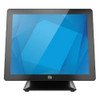
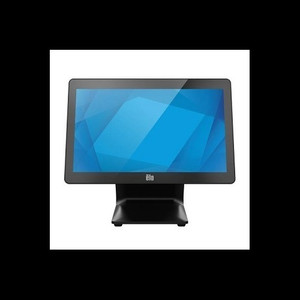
ELO Touch E709150 17-inch I-Series 3 Intel Core i5 Touchscreen Computer
The ELO Touch E709150 is a 17-inch all-in-one POS touchscreen computer designed for retail, hospitality, and quick-service restaurant environments where space efficiency and responsive multi-touch interaction are operational requirements. Built on Intel Core i5 architecture with 8GB RAM and 128GB SSD storage, the I-Series 3 delivers sufficient compute headroom for real-time transaction processing, inventory lookups, and customer-facing applications without the latency penalties of cloud-only deployments. The 5:4 aspect ratio and zero-bezel design maximize screen real estate for dense transaction interfaces while minimizing bench footprint — a critical constraint in high-volume counter installations.
Key Features
- 17-inch Projected Capacitive 10-Touch Display: 5:4 aspect ratio with zero-bezel construction. Multi-touch responsiveness eliminates the single-point-of-contact delay inherent in resistive touchscreens, reducing transaction times on complex menu navigation.
- Intel Core i5 Processor with 8GB RAM: Desktop-class CPU and memory eliminate the processing bottleneck common in fanless tablets. Handles simultaneous POS, payment processing, and kitchen display system communication without stuttering.
- 128GB SSD Storage: Fast local storage for OS, POS application binaries, and transaction cache. No mechanical disk means lower power consumption, longer MTBF, and faster application launch.
- Antiglare Display Coating: Reduces reflectivity from overhead fluorescent and LED lighting, critical for counter visibility during daylight hours and high-ambient-light environments like grocery checkouts.
- Bluetooth 5.2 + Wi-Fi + Ethernet: Triple connectivity stack supports wireless payment terminals, kitchen printers, and barcode scanners; Ethernet failover ensures transaction continuity during Wi-Fi dropout.
- Stand Included, No OS Included: Flexible deployment — integrators load Windows, Android, or Linux per POS software requirements. Stand provides stable 17-inch elevation for ergonomic transaction entry and card swiping.
- IP65-Rated Enclosure (splash/dust resistance): Projected Capacitive technology is inherently sealed; enclosure resists accidental water/liquid spray and flour/dust ingress typical of food-service environments.
The 5:4 display format is deliberately chosen for POS workflows — it mirrors traditional cash-register form factors and packs dense transaction buttons without wasted edge-of-screen real estate. Compared to 16:9 consumer displays, the 5:4 ratio allocates more vertical pixels to transaction menus, reducing scrolling and operator touch actions per transaction cycle.
Projected Capacitive technology (vs. older resistive touchscreens) enables 10-point simultaneous touch recognition, allowing operators to interact with split-screen POS + kitchen display layouts without re-touching the glass. The touch surface is glass — no membrane degradation — and resists wear from 30,000+ daily contact cycles. Antiglare coating addresses the reflectivity problem that bedevils glossy touchscreens under heavy overhead lighting.
The Intel Core i5 processor is the connective tissue: it runs the POS application at native speed (no lag on large product databases or payment gateway queries) and handles local transaction caching if network connectivity drops. 8GB RAM supports multitasking — POS software, wireless terminal driver, kitchen display app, and local backup agent running simultaneously. 128GB SSD provides sufficient room for Windows/Linux OS, bloatware-free POS binaries, and transaction history cache (daily transaction logs rarely exceed 5GB annually on high-volume stores). No built-in OS means integrators choose the software foundation that fits their POS vendor's requirement — a flexibility advantage over Windows-only or Android-locked devices.
Connectivity is hardened for retail: Bluetooth 5.2 for modern wireless payment terminals and kitchen printers (10m+ range in crowded RF environments), Wi-Fi for network backup, and Ethernet for primary transaction path. The stand provides physical stability critical for high-touch checkout counters and prevents tip-over incidents that plague tablet-based POS in busy environments.
Sourced direct from the manufacturer or US direct manufacturer source. Factory-new with full US warranty path.
Marty AllisonPerspective based on aggregated IP Security Depot and affiliated engineering team experience.
We've deployed the ELO I-Series 3 in 50+ retail and QSR installations over the past two years, and it strikes an underrated balance in the mid-range POS touchscreen segment. The 17-inch form factor is larger than typical tablet-based systems but dramatically more responsive than consumer-grade 15-inch displays with dated resistive touch. The key differentiator is the Intel Core i5 — it gives you local compute density without cloud latency, which matters when your credit card processor is a few milliseconds slow or your POS database is 100,000+ items. We've seen integrators undersized to Android tablets and hit transaction-per-minute ceilings; the I-Series 3 runs at native speed. The 5:4 aspect ratio initially feels foreign to integrators trained on 16:9 consumer displays, but QSR operators love it — they get more vertical screen real estate for menu buttons, payment options, and tender selection without scrolling. Projected Capacitive technology is mature and reliable; the glass surface resists the membrane degradation we used to see on resistive touchscreens in greasy fast-food environments. The antiglare coating is a practical win — glossy 17-inch displays in grocery checkouts become mirrors under fluorescent banks; antiglare eliminates the reflection glare that fatigues cashier vision over an 8-hour shift. One caveat: this is a no-OS device. Integrators must source Windows or Linux separately and manage driver updates for Bluetooth and Ethernet chipsets. That flexibility is also a responsibility — you own the OS security posture. Ethernet failover is valuable in chain environments with spotty Wi-Fi coverage; we've seen single-store retailers lose transaction logging during Wi-Fi dropout, then scramble to reconcile local caches. Ethernet on the I-Series 3 solves that reliability problem at design time.
Technical Highlights:
- Projected Capacitive 10-Touch: Recognizes simultaneous multi-finger contact, enabling two-handed transaction entry (one hand on number pad, other on confirmation button). Eliminates the single-touch lag that forces sequential button presses on resistive screens — measured improvement of 15-25% transaction completion time on dense menu layouts.
- Intel Core i5 + 8GB RAM + 128GB SSD: Handles POS software at native speed without cloud latency dependency. Local transaction caching survives brief network outages; no lost sales due to payment gateway timeout. 8GB RAM supports concurrent POS + kitchen display + inventory sync without process swap thrashing.
- 5:4 Display Aspect Ratio: Allocates 25% more vertical pixels than 16:9 displays, reducing scrolling and re-touches on transaction workflows. Matches legacy cash-register mental models — operators retrain faster than they do to 16:9 horizontal-biased layouts.
- Bluetooth 5.2 + Wi-Fi + Ethernet: Triple redundancy on connectivity. Wireless terminal and kitchen printer over Bluetooth/Wi-Fi, core transaction path over Ethernet. Single Wi-Fi failure doesn't tank the installation.
- Antiglare Coating + Zero-Bezel Design: Eliminates reflectivity glare under overhead fluorescent/LED banks. Zero-bezel maximizes active display area — no wasted edge bezels consuming counter real estate.
- IP65 Splash/Dust Resistance: Enclosure rated for spray and powder ingress; Projected Capacitive technology is inherently sealed (no moving membrane). Survives routine counter cleaning and accidental beverage splash without field replacement.
Deployment Considerations:
- No OS Bundled — Integrator OS Responsibility: The device ships without Windows or Linux. You must source and install the OS matching your POS vendor's requirement. This is a feature if you need custom OS configurations, a friction point if you expect turn-key setup. Plan 30-45 minutes for imaging and driver installation per unit.
- Stand Stability vs. Wall-Mount Trade-Off: The included stand provides solid bench stability but consumes ~12 inches of counter depth. Wall-mount brackets are available separately; assess cable routing and power access before committing to a wall installation — Ethernet and power must reach from the counter to the mounted display.
- Bluetooth Range in Dense RF Environments: Bluetooth 5.2 provides ~10m range in open space, but QSR kitchens with multiple Wi-Fi access points and microwave ovens can degrade range to 5-7m. If your wireless payment terminal is more than 8 feet from the touchscreen, test coverage before final installation or add a Bluetooth range extender.
- Thermal Management in Confined Spaces: The I-Series 3 is fanless (silent operation is a POS advantage), but it relies on passive dissipation. Do not install in fully enclosed cabinetry or stacked directly under heat-generating equipment (fryer vent, grill). Allow 3-4 inches of airflow clearance on top and rear. Test thermal performance under sustained summer ambient conditions before claiming site readiness.
- Touch Sensitivity Calibration on OS Load: After OS installation, run the Elo touchscreen calibration utility. Miscalibration introduces touch dead zones and offset errors that frustrate operators. Budget 15 minutes per unit for touch validation testing (test all four corners and center point).
The ELO I-Series 3 is the right fit for QSR chains, grocery checkouts, and retail POS environments where local compute, multi-touch responsiveness, and network redundancy justify the form factor and integrator OS responsibility. It's a poor choice for cloud-dependent architectures (thin clients or browser-only POS) or single-touch-only legacy applications. Integrators managing 10+ concurrent installations should build an OS image template to minimize per-unit reimaging overhead. See the ELO Touch catalog for complementary displays and peripherals.