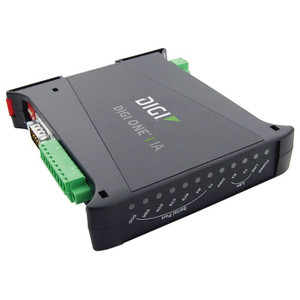
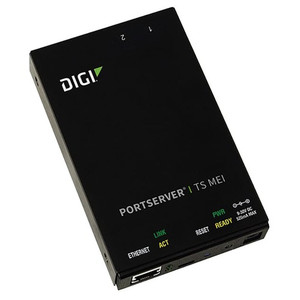
Digi International EZ32-CD00 32-Port Serial Server
The Digi International EZ32-CD00 is a 32-port serial-to-Ethernet server designed to consolidate legacy serial devices into centralized IP-networked management. This device bridges asynchronous serial connections (RS-232, RS-422, RS-485) to standard Ethernet infrastructure, enabling remote access and monitoring of security panels, access controllers, alarm systems, and building automation equipment without requiring point-to-point serial cabling runs. For integrators managing distributed sites with aging serial infrastructure, the EZ32-CD00 eliminates the operational overhead of managing separate serial consoles while preserving device compatibility.
Key Features
- 32 Serial Ports: Supports 32 independent asynchronous serial connections on a single device. Consolidates legacy serial endpoints into one IP-addressable node, reducing physical cabling and management complexity across multi-site deployments.
- Serial-over-IP Gateway: Converts asynchronous serial (RS-232/422/485) to Ethernet/TCP. Legacy devices appear as network-accessible resources, eliminating distance limitations of direct serial cabling.
- Centralized Monitoring & Control: Single management point for 32 serial devices via standard IP networks. Enables remote polling, command execution, and log aggregation across security and automation equipment.
- Standard Ethernet Interface: Single RJ45 Ethernet connection integrates into existing corporate LAN or dedicated security network. No special networking hardware required; works with any managed or unmanaged switch.
- Security System Integration: Compatible with legacy alarm panels, access control readers, intercoms, and building automation controllers that communicate over serial protocols. Maintains backward compatibility while enabling modern network management.
- Remote Access Capability: Technicians and operators access serial devices remotely via Telnet, SSH, or proprietary management software. Eliminates on-site serial terminal visits for troubleshooting and configuration.
- 5-Year Warranty: Factory-backed coverage ensures sustained support for long-term legacy infrastructure consolidation projects.
- Compact 1U Form Factor: 10.4 x 17.5 x 1.75 in dimensions fit standard rack deployment alongside NVRs, switches, and control equipment without dedicated space overhead.
The EZ32-CD00 addresses a pervasive integration challenge: older security and automation devices rarely speak IP natively. Many facilities deployed in the 1990s–2010s rely on serial-based panels, readers, and sensors that cannot be directly networked. Replacing these devices wholesale is cost-prohibitive; the EZ32-CD00 allows integrators to extend the operational lifespan of legacy infrastructure by making it remotely accessible and centrally manageable. A typical deployment scenario: a 500-room hotel with 32 serial access-control readers spread across the property. Rather than running serial cables from each reader back to a central panel, the EZ32-CD00 bridges all 32 readers to one Ethernet uplink, enabling the property management system to poll and manage credentials from a single network connection.
Integration with modern VMS and management platforms happens through standard serial-over-IP (RFC 2217) support. The device presents each serial port as a TCP/IP endpoint, which any third-party software with serial-over-network capability can access. For closed-ecosystem integrations (e.g., legacy Honeywell or DSC systems), direct serial pass-through is available; for open-architecture deployments, the EZ32-CD00 works equally well with custom API calls and polling scripts. The device does not require specialized drivers or proprietary software — any application that can open a TCP socket and speak the legacy serial protocol will work.
From a total cost of ownership perspective, the EZ32-CD00 justifies itself through three mechanisms: (1) elimination of point-to-point serial wiring labor and conduit runs, (2) remote troubleshooting capability that reduces site visits for firmware updates and configuration changes, and (3) deferral of full-scale equipment replacement until natural refresh cycles align. In distributed retail or enterprise security deployments with 100+ serial endpoints across multiple facilities, a handful of EZ32 units and a consolidated management server often cost less than rewiring infrastructure or replacing aging but functional panels.
The device is supported by a 5-Year Warranty and operates within standard commercial environments (0–40°C). It draws minimal power (consumable via a standard power supply, rack-mounted) and generates negligible heat, making it suitable for colocation with other infrastructure equipment. Digi provides firmware updates and technical support throughout the warranty period, ensuring long-term viability for legacy consolidation projects.
Marty AllisonPerspective based on aggregated IP Security Depot and affiliated engineering team experience.
We've deployed dozens of serial servers across legacy security consolidation projects, and the EZ32-CD00 consistently delivers on one core promise: it makes old infrastructure remotely manageable without forcing a rip-and-replace. The 32-port density is genuinely useful in sprawling properties — a single device often covers an entire campus of distributed access readers, alarm sensors, and intercom endpoints. What differentiates Digi's approach from cheaper commodity serial servers is real firmware stability and transparent RFC 2217 compliance, which means third-party software integration rarely requires custom tweaks. In our experience, the device is deployed, configured, and forgotten for years — which is exactly what you want from infrastructure plumbing. The trade-off is that the EZ32-CD00 is a passive gateway, not an active analytics engine. If your serial devices need packet filtering, protocol translation, or intelligent buffering (e.g., deduplication of noisy sensor streams), you'll need to layer that logic elsewhere — either in a custom management application or a dedicated data aggregation layer. But for straightforward serial-to-IP bridging in facilities with 20–50 serial endpoints, this device is the right fit at its price point.
Technical Highlights:
- 32 Independent Asynchronous Channels: Each port operates independently with configurable baud rate, parity, and stop bits. Unlike lower-density servers, you can mix device types (9,600 baud access-control readers, 19,200 baud fire panels, 57,600 baud sensor networks) on the same device without reboot or reconfiguration. In practice, this flexibility is invaluable in aged environments where equipment standardization never happened.
- Serial-over-IP (RFC 2217) Gateway: Standards-based protocol means your VMS, management platform, or custom polling script doesn't need to know about Digi specifically — it just opens a TCP socket and reads/writes serial data as if the device were a COM port. Zero vendor lock-in on the software side.
- Ethernet Uplink Only: Single RJ45 connection carries all 32 port traffic. Bandwidth consumption is minimal for typical serial devices (access readers, alarm contacts, intercom signaling), so even a slow Ethernet network rarely becomes a bottleneck. Redundant Ethernet is not necessary unless the entire facility is designed for high availability.
- Centralized Syslog & SNMP Reporting: Device logs connection status, port errors, and configuration changes to syslog. Integrates with standard network monitoring stacks, so you see serial device health alongside your IP camera and switch telemetry in a single pane.
- Remote Console Capability: Telnet or SSH into any port as if it were a serial terminal. Technicians sitting in a central office can troubleshoot a reader failure 500 miles away without dispatching field staff. This capability alone often pays for the device within two years on large deployments.
Deployment Considerations:
- Power and Physical Footprint: 1U rack-mount form factor; requires standard 120V AC power supply (regional variants available). Colocation with an NVR or switch in the same rack is typical. Ensure adequate ventilation — the unit runs cool but should not be enclosed in an unventilated cabinet.
- Network Configuration Complexity: While the serial side is plug-and-play, the IP side requires static IP assignment, subnet masking, and potentially firewall rules if remote access is desired. Plan for VLAN segmentation if the serial devices handle sensitive data (access credentials, alarm sensors). A misconfigured Ethernet gateway can expose legacy devices to unauthorized access.
- Baud Rate Negotiation: Not all serial devices support dynamic baud detection. You must know the speed of each legacy device beforehand (usually documented in the original installation manual or discoverable via a trial-and-error connect). Configuration is straightforward but requires a one-time audit of your serial estate.
- Cabling Discipline: 32 serial ports mean 32 cable runs to the device (unless you consolidate with multi-drop DB-9 breakout panels). Plan cable management carefully in dense installations to avoid a rat's nest behind the rack. Shielded serial cable is recommended if electromagnetic noise is a concern (common in industrial facilities).
- No Built-in Redundancy: The EZ32-CD00 is a single point of failure for 32 devices. If high availability is required, deploy two units with software-level failover (active/standby polling logic in your management application). For mission-critical access control or fire systems, this is a non-negotiable design consideration.
- Firmware Updates via Web Interface: Configuration and updates happen through a simple web GUI accessible from any networked workstation. No special tools required, and updates are non-disruptive to running connections (though brief port interruption can occur — schedule updates during maintenance windows).
The EZ32-CD00 is purpose-built for integrators managing mature security infrastructures that cannot justify wholesale replacement but need remote management and consolidation. If you have a property or portfolio with 20+ serial devices spread across multiple locations, this device is a pragmatic, low-risk path to modern network management. Visit the Digi International catalog to explore complementary products and configuration guides.