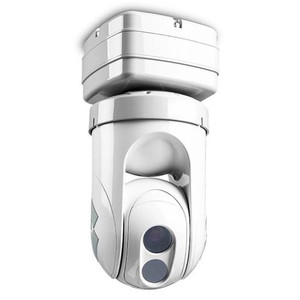
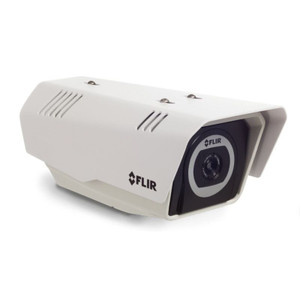
FLIR 427-9030-15-00 D-618 C 35mm NTSC Down-Viewing Camera
When covert surveillance demands downward-facing observation in confined or sensitive spaces, traditional camera mounting presents detection risks and installation challenges. The FLIR D-618 C addresses these requirements with a 35mm form factor designed specifically for down-viewing applications where camera presence must remain minimal and sight lines require overhead positioning.
Key Features
- 35mm compact form factor enables concealment in ceiling fixtures, above-tile installations, and tight architectural spaces
- Down-viewing optical configuration optimized for overhead mounting scenarios without external adjustment hardware
- NTSC analog video output provides compatibility with existing analog recording infrastructure and legacy systems
- Covert-class housing design minimizes visual profile in retail, hospitality, and secure facility deployments
- Fixed orientation eliminates motorized components that introduce failure points in long-term installations
- Standard video connection supports direct integration with existing DVR and matrix switching systems
The D-618 C serves installations where traditional dome or bullet cameras create unacceptable visual impact or fail to achieve required viewing angles from above. Retail loss prevention teams deploy these units above point-of-sale terminals and cash handling areas where overhead perspective captures transaction detail conventional cameras miss. Financial institutions use the down-viewing geometry to monitor ATM keypads and teller drawers without obvious camera presence that might alert organized theft rings to coverage patterns.
The NTSC analog output maintains compatibility with multi-site deployments running legacy recording platforms, eliminating forced upgrades to IP infrastructure at locations where analog backbone remains functional. The 35mm diameter fits standard ceiling penetrations used for emergency lighting and sprinkler heads, allowing security retrofits that leverage existing openings without additional construction. Integration teams specify this model when project requirements mandate minimal visual signature combined with fixed downward observation angles that PTZ cameras cannot reliably maintain during power cycles or system resets.