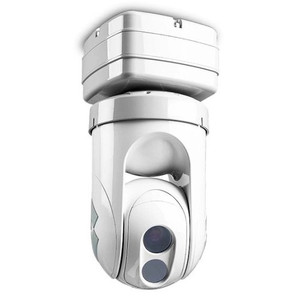
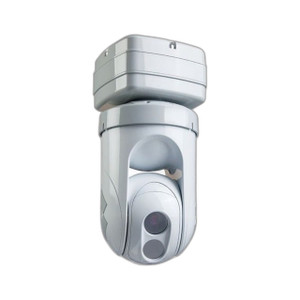
FLIR 427-9030-03-00 D-334 C-Series 13mm NTSC Downward-Facing Camera
When your deployment requires downward-facing surveillance in vehicles, mobile platforms, or overhead mounting scenarios, standard camera orientations create installation headaches and image processing overhead. The FLIR D-334 C-Series addresses this with a purpose-built downward configuration and 13mm fixed lens, delivering the field of view and mounting geometry mobile surveillance and overhead monitoring applications demand without adapter plates or post-processing rotation.
Key Features
- 13mm fixed focal length lens optimized for controlled field of view in downward applications
- Downward-facing orientation eliminates need for mounting brackets or image rotation in post-processing
- NTSC analog video output for compatibility with legacy mobile DVR systems and analog infrastructure
- C-Series platform delivers proven FLIR imaging performance in compact mobile form factor
- Purpose-built for vehicle integration, overhead monitoring, and platform-mounted surveillance
- Designed for mobile environment vibration and thermal cycling typical in transit applications
Mobile surveillance deployments—whether in transit buses, law enforcement vehicles, or industrial equipment—demand cameras engineered for the specific mounting geometry and environmental conditions of the platform. The D-334's downward-facing design integrates cleanly into ceiling mounts and overhead positions without requiring mechanical adapters that add failure points and complicate weatherproofing. The 13mm lens provides the coverage area mobile integrators typically need for interior cabin monitoring or platform surveillance without the edge distortion of wider lenses.
The NTSC analog output maintains compatibility with the extensive installed base of mobile DVR systems still operating in transit and fleet applications, allowing you to upgrade camera positioning and image quality without replacing entire recording infrastructures. For integrators managing mixed analog and IP deployments or maintaining legacy mobile systems, this camera bridges the gap between older platform requirements and current imaging performance expectations. The C-Series construction accounts for the vibration, temperature swings, and power fluctuations inherent in mobile environments, reducing callback rates on vehicle-mounted installations.