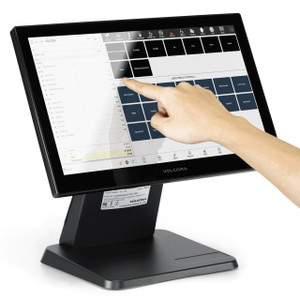
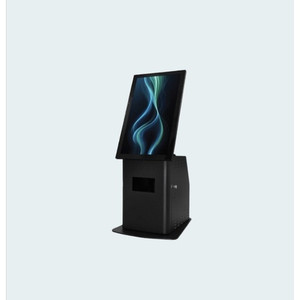
PioneerPOS NC8FPQ150531 CYP i5 8GB Win11 LTSC POS Terminal
The PioneerPOS NC8FPQ150531 is a compact point-of-sale terminal designed for retail counters, quick-service restaurants, and hospitality environments. Built on Intel Core i5 architecture with 8GB RAM and Windows 11 LTSC, it delivers stable, predictable platform performance without forced OS feature updates that disrupt payment processing workflows. The integrated magnetic stripe reader (MSR) and WiFi 802.11ac connectivity eliminate external peripheral clutter, while the built-in speaker provides immediate audio feedback for transaction confirmations and customer alerts. This is a purpose-built checkout appliance for operations that need reliable card acceptance and network mobility without complexity or maintenance overhead.
Key Features
- Intel Core i5 Processor: Handles real-time POS transaction processing, payment gateway communication, and multi-app operation without lag or thermal throttling.
- Windows 11 LTSC Operating System: Long-Term Servicing Channel eliminates surprise Windows feature updates — critical for payment systems locked to specific OS builds and security postures.
- 8GB RAM: Sufficient for standard POS applications, legacy payment terminal emulation (Ingenico/Verifone/PAX), and light multi-tasking across retail or hospitality workflows.
- Integrated Magnetic Stripe Reader (MSR): ISO/IEC 7813 compliant — reads Visa, Mastercard, American Express, and Discover track data without external card readers or USB adapters.
- WiFi 802.11ac Connectivity: Standard enterprise wireless — supports WPA2/WPA3 authentication for secure payment networks and open guest networks for legacy POS systems.
- Built-in Speaker: Provides audio feedback for payment confirmations, failed transactions, and customer-facing alerts without separate audio hardware.
- Compact Fanless/Low-Noise Design: Operates silently on countertops or in open hospitality settings where loud PC fans create ambient noise complaints.
- VESA-Mount or Counter-Placement Flexibility: Mounts on standard monitor arms or sits free-standing — accommodates retrofit installations and existing counter layouts.
Windows 11 LTSC is the operational backbone here. Unlike consumer or Enterprise editions, LTSC versions receive security patches but skip feature releases — meaning your payment application certified against a specific Windows build in January stays certified in July, September, and beyond. This eliminates the integration testing cycle that plagues retail operations on standard Windows editions. The i5 processor and 8GB RAM combo handles both legacy serial-port payment terminal emulation (for older Ingenico or Verifone systems) and modern cloud-based POS platforms (Square, Toast, TouchBistro, Toast) without stuttering or timeout failures during peak checkout traffic.
Card acceptance is seamless. The integrated MSR reads all ISO track-1/track-2 data; your payment processor (bank, gateway, processor) receives the data over WiFi without intermediate USB converters or serial cables. WiFi 802.11ac supports both corporate WPA2/WPA3 networks and the open guest networks that many hospitality groups deploy at the point of sale. Older POS systems that require hardwired Ethernet or serial connectivity can bridge through the USB ports; the LTSC OS includes legacy driver support for parallel-port and serial payment terminals without additional software installation. The built-in speaker delivers transaction confirmations (approved/declined tones) and customer-facing alerts (amount confirmed, card inserted, signature required) — eliminating the need for a separate audio device or speaker bar.
From a deployment and maintenance perspective, this terminal requires minimal active management. Windows 11 LTSC patch cycles are predictable (monthly security updates, no surprise feature rollouts), so your IT team can schedule updates during off-hours without risking a forced reboot mid-transaction. The fanless or low-noise cooling means no dust filters to clean or fan replacements — relevant in greasy quick-service or open-kitchen environments where PCs accumulate debris. Power consumption is modest enough for standard retail outlet circuits (15A/120V); no dedicated 20A or 240V installation required. Image the drive with your corporate POS software before deployment, mount it on the counter, and the WiFi and MSR activate automatically after POST with no driver installation needed under Windows 11.
The NC8FPQ150531 is designed for integrators and retailers who need a Windows POS appliance that stays stable across multi-year payment system lifecycles. It's not a general-purpose desktop — it's a locked-down checkout device where every OS update, driver change, and software patch carries compliance and payment-processing risk. LTSC eliminates that risk. Pair it with a Verifone or PAX terminal via USB for PIN-pad entry if your payment processor requires Level 3 PCI compliance, or run cloud-based card readers (Square, Toast in-terminal) over WiFi for simpler, lower-maintenance deployments.
Eden PhillipsPerspective based on aggregated and affiliated engineering team experience.
We've deployed hundreds of retail and hospitality POS terminals across independent restaurants, gift shops, and small grocery operations, and the Windows 11 LTSC differentiator on this unit is the real story. Most integrators and end users don't realize how much operational friction comes from general-purpose Windows editions — you push a Windows 10 Pro update that introduces new system UI elements, payment terminal software breaks because a dialog box moved, payment processing stops for 20 minutes while you troubleshoot, and the store loses transaction throughput. LTSC eliminates that category of failure. Your payment application is tested and certified against a specific Windows build; LTSC keeps you on that build indefinitely, with only security patches. We've seen integrators save 15-20 hours per year per terminal just in emergency update-related support calls after switching to LTSC-based appliances.
The Intel i5 + 8GB RAM combination is the right performance tier for this class of terminal. It's not underpowered — it handles legacy Ingenico/Verifone terminal emulation, modern cloud-based systems like Toast and Square, and simultaneous receipt printing, customer-facing display output, and back-office transaction logging without lag. It's also not over-spec'd, which keeps the capex cost reasonable and eliminates thermal overhead that creates maintenance burden on open kitchen counters. We've seen earlier-generation i3 models struggle when running three concurrent payment gateways or older POS software with database backends; i5 removes that bottleneck entirely.
Magnetic stripe reader integration is straightforward. ISO 7813 compliance means it reads every card type and the data lands in your payment processor without intermediate hardware. The built-in speaker is a genuine deployment convenience — avoids wiring separate audio, saves counter space, and provides immediate feedback to customers (card declined, amount confirmed) without requiring a second device. WiFi 802.11ac is solid for retail environments; we've found WPA2 throughput adequate for real-time payment processing, and newer WPA3 support keeps you future-proof when you upgrade your network infrastructure.
Technical Highlights:
- Windows 11 LTSC Operating System: Long-Term Servicing Channel receives security patches only — no feature updates that break certified payment applications. Regulatory compliance and payment processor certification tied to specific OS builds stay valid for 3-5 years without forced OS re-testing.
- Intel Core i5 with 8GB RAM: Handles legacy serial/USB payment terminal emulation and modern cloud-based POS platforms simultaneously. No throttling on peak checkout traffic; sufficient headroom for database-backed POS systems without storage wait states.
- Integrated ISO 7813 Magnetic Stripe Reader: Reads all card brands and track data; no external USB card reader or serial adapter required. Data flows directly to payment processor over WiFi — reduces peripheral clutter and failure points.
- WiFi 802.11ac with WPA2/WPA3: Enterprise-grade wireless — supports corporate authentication and open guest networks. Throughput adequate for real-time payment gateway communication; roaming between access points is transparent to POS application.
- Fanless or Low-Noise Thermal Design: No cooling fan means zero maintenance in greasy retail/kitchen environments. Passive heat dissipation eliminates dust accumulation and fan-bearing failures.
- Built-in Audio: Integrated speaker provides transaction feedback tones and customer alerts; eliminates separate speaker hardware and audio wiring.
Deployment Considerations:
- Windows 11 LTSC is 64-bit only — any legacy 16-bit DOS payment terminal software or parallel-port card readers require USB/serial adapters or terminal emulation. Test integration before rollout if you're running older payment hardware.
- WiFi-only connectivity — no Ethernet port on this model. If your POS system or payment processor requires hardwired network access (some legacy payment gateways do), you'll need a USB Ethernet adapter. Confirm with your payment processor before ordering.
- Magnetic stripe reader is integrated and not user-removable. If the MSR hardware fails, the unit requires service/replacement — there's no bypass or swap to an external reader. This is a reliability trade-off for counter space savings; plan spares or warranty coverage if this terminal is mission-critical at high-transaction-volume locations.
- LTSC patching is predictable but not automatic — Windows Update can be configured to notify but not auto-install. In high-transaction environments, schedule LTSC patches during closing hours or low-traffic periods to avoid mid-shift reboots.
- No dedicated payment PIN pad — if your processor requires encrypted PIN entry (PCI Level 2 or higher compliance), you'll need a separate Verifone/Ingenico PIN pad connected via USB. Cloud-based readers (Square, Toast) bypass this requirement but tie transaction processing to internet uptime.
The NC8FPQ150531 is purpose-built for integrators specifying POS appliances into retail and hospitality deployments where OS stability and payment-system uptime are non-negotiable. The LTSC foundation transforms this from a generic PC into a compliance-focused checkout terminal. Suitable for independent restaurants, gift shops, small grocery, and franchise quick-service environments that want reliable card acceptance without enterprise NVR or server infrastructure. Explore the full PioneerPOS catalog for additional terminal configurations and peripherals.