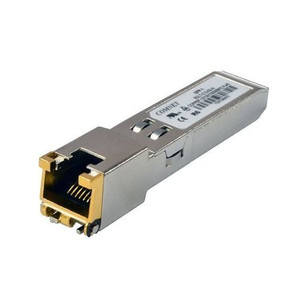
Comnet SFP-49 10Gbps Copper RJ45 SFP+ Transceiver
Overview
The Comnet SFP-49 is a 10GBASE-T copper transceiver designed for network infrastructure where copper cabling is already in place and fiber is impractical. This SFP+ module delivers 10 Gbps over standard Cat6a, Cat7, or Cat8 twisted-pair cable at distances up to 30 meters—a practical distance for data center backhaul, campus interconnects, and surveillance network backbone consolidation. The model number SFP-49 is the standard OEM part number; you may also see it referenced as SFPP-T-TCA5 in compatibility searches.
Key Features
- 10 Gbps over copper: Reaches full line-rate 10GBASE-T on Cat6a or better, eliminating the cost and complexity of fiber runs in existing copper-cabled environments. For surveillance backbone networks consolidating multiple gigabit streams, this means fewer parallel links and simpler switch infrastructure.
- 30-meter transmission distance: Covers typical building-to-building or floor-to-floor hops without repeaters. At surveillance scale—dozens of 4MP or 5MP cameras per switch stack—this distance handles most corporate campus or industrial site layouts.
- Low power consumption under 2.5W: Built-in Marvell chip optimizes power draw, reducing thermal load in high-density switch chassis. Matters on PoE-powered network devices where every watt impacts system efficiency and cooling overhead.
- RoHS, CE, and REACH compliant: Factory-fresh units meet environmental and safety regulations required in EU and regulated North American deployments. No grey-market uncertainty on hazardous substance content.
- IEEE 802.3az Energy Efficient Ethernet support: Automatically scales power consumption during idle periods—relevant if your network operates variable surveillance schedules or shifts.
- SFP+ MSA and SFF-8431 certified: Plugs into any standards-compliant SFP+ socket. Verified compatible with Comnet switches and third-party equipment (Cisco, Juniper, QNAP, etc.) running SFP+ ports. No vendor lock-in; you can swap brands if needed.
- Compact RJ45 female connector: Plugs directly into standard Category cabling infrastructure—no adapters, no MPO/MTP field termination labor. Installation is plug-and-cable; no special training required.
- Operating temperature 0–70°C; storage -40–85°C: Rated for climate-controlled switch rooms and unheated outdoor equipment cabinets. Exceeds indoor datacenter specs, so outdoor surveillance nodes in non-extreme climates stay functional.
Integration & Compatibility
The SFP-49 is a drop-in replacement for existing Comnet SFP+ slots and compatible with any SFP+ port on third-party switches (Cisco Catalyst, Juniper EX, Dell Force10, QNAP TS-series NVRs, etc.). No VMS integration required—this is a physical-layer transport device. Power is supplied via the SFP+ socket standard (3.3V rails), so there is no external power connector to wire.
When deploying multi-site surveillance, use the SFP-49 to consolidate 10 Gbps backbone links between NVR arrays, reducing the number of switch uplinks and simplifying cable management. The 30-meter copper reach works in retrofitted buildings where fiber conduit is unavailable but Cat6a horizontal cabling already exists.
What's in the Box
The SFP-49 ships as a single transceiver module. No cables, no mounting hardware, no accessories are included in the standard package—the module plugs directly into an SFP+ slot.
Frequently Asked Questions
Q: Does the SFP-49 work with my existing Cat5e or Cat6 cable?
A: The SFP-49 is rated for Cat6a, Cat7, or Cat8. Cat5e and basic Cat6 are not recommended—you may experience bit errors or link instability at 10 Gbps over longer distances. Cat6a or better is required for reliable 30-meter runs.
Q: What warranty comes with the SFP-49?
A: The SFP-49 carries a 5-year manufacturer warranty against defects in materials and workmanship.
Q: Can I mix the SFP-49 with optical SFP+ transceivers on the same switch?
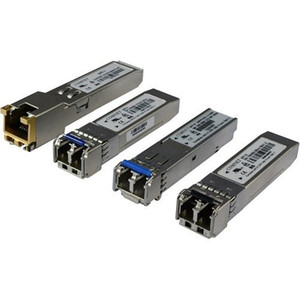
A: Yes. SFP+ slots are modular—each port can hold a different transceiver type (copper, single-mode fiber, multimode fiber, etc.) simultaneously. This allows hybrid backbone designs: copper links for local hops, fiber for long-distance uplinks.
Q: Is the SFP-49 NDAA Section 889 compliant?
A: No NDAA certification information is stated in available product documentation. If NDAA compliance is a contract requirement, contact the supplier directly.
Q: What is the maximum cable length before signal degradation begins?
A: The rated maximum transmission distance is 30 meters over Cat6a or better. Distances beyond 30 meters may result in link timeouts or excessive packet loss. For longer reaches, optical transceivers or repeater hardware are required.
Q: Does the SFP-49 require any drivers or firmware updates for use?
A: No. The SFP-49 is a passive electrical device from the host system's perspective. The switch or NVR recognizes it automatically via SFP+ auto-negotiation. No driver installation or firmware updates are needed.
The Comnet SFP-49 is the right pick when your surveillance backbone needs 10 Gbps copper connectivity and your cable plant already has Cat6a or better in the runs. I've used the SFP-49 to consolidate multi-site NVR uplinks—30 meters of existing copper beats trenching fiber every time on a retrofit job. The 2.5W power draw is worth calling out: in a dense switch chassis with a dozen transceivers, that's meaningful thermal headroom compared to less efficient modules.
Technical Highlights:
- 10GBASE-T over Cat6a/Cat7/Cat8: Full 10 Gbps line rate on standard copper cabling—no fiber transceivers, no expensive conduit work. For surveillance networks running multiple 4K or 5MP streams consolidated into a single backbone link, this eliminates parallel gigabit connections and simplifies switch port allocation.
- 30-meter copper reach: Covers campus or multi-building hops without repeaters. In practice, this distance handles most floor-to-floor or building-to-building surveillance interconnects without signal conditioning.
- 2.5W max power consumption with Marvell chipset: Optimized power draw reduces thermal load in high-density switch chassis. On a 48-port switch stack, lower per-transceiver power means you don't over-spec cooling and PSU capacity.
- IEEE 802.3az Energy Efficient Ethernet: Automatically idles power during unused periods—if your surveillance backbone shifts between peak recording hours and off-hours monitoring, this saves measurable power on lightly-loaded links.
- SFP+ MSA and SFF-8431 certified: Vendor-neutral standards compliance means it works in Cisco, Juniper, Dell, QNAP, and other SFP+ equipment without compatibility surprises.
Deployment Considerations:
- Cat6a cabling is non-negotiable for 30-meter runs. Cat5e or basic Cat6 will not maintain 10 Gbps reliably at distance; budget for cable certification testing if you're repurposing older plant.
- The SFP+ socket is hot-swappable, but link interruption is momentary—schedule transceiver swaps during off-peak monitoring windows to avoid brief stream dropouts on dependent cameras or NVRs.
Deploy the SFP-49 in multi-site surveillance architectures where fiber is cost-prohibitive but Cat6a horizontal runs already exist—typical scenario is a regional office with 3–5 branch locations, each running local NVRs fed by a 10 Gbps backbone link back to a central management node.