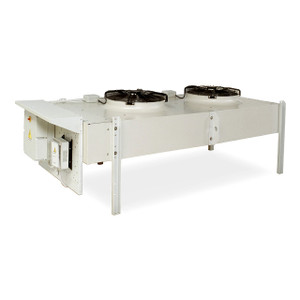
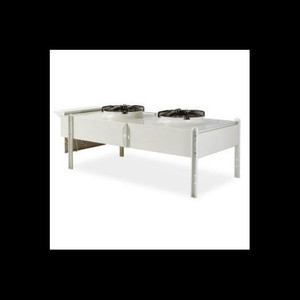
APC by Schneider Electric ACCD75202 Dual EC Fan Condenser Unit
Overview
The APC by Schneider Electric ACCD75202 is a two-fan electronically commutated (EC) condenser rated at 14.6 MBH (thousand BTU per hour) of heat rejection capacity, designed for precision cooling systems that demand reliable outdoor or supplemental heat dissipation. Running on 200–240V three-phase 60Hz power and using R407C refrigerant, the ACCD75202 integrates with APC's broader APC by Schneider Electric precision cooling line as an external condenser component — typically paired with an indoor computer room air handler (CRAH) or similar indoor cooling unit in a split-system architecture. If you're sizing a dedicated cooling loop for a medium-density server room, edge deployment, or telecom shelter, this unit's capacity and footprint deserve a close look before finalizing your thermal design.
Key Features
- 14.6 MBH Heat Rejection at Full Load: This condenser is sized for medium-density precision cooling applications — enough capacity to support a CRAH serving a room with moderate server load. Knowing the MBH figure up front lets you sanity-check it against your IT load plus overhead before committing to the refrigerant line run.
- Dual EC Fan Design: Electronically commutated fans are brushless DC motors with variable-speed drives built in. Unlike fixed-speed PSC fans, EC fans reduce power draw significantly at partial load — where condensers spend most of their operating hours. Lower fan energy translates directly to reduced annual kWh cost compared to traditional AC-motor condensers of comparable capacity.
- 22,000 CFM Maximum Airflow: The 22,000 CFM rating means this unit can move a substantial volume of ambient air across the coil even under high ambient temperature conditions, maintaining head pressure within an acceptable range. For installations in hot climates or unshaded rooftop locations, confirming that your ambient design temperature doesn't derate capacity below your IT load is essential.
- 4,400W Power Consumption: At full fan load, the ACCD75202 draws 4.4 kW. Factor this into your electrical service sizing — on a 220V three-phase circuit, that's roughly 11.5A per phase at unity power factor, though actual current draw will vary. This figure does not include the indoor unit's compressor power, which must be budgeted separately.
- R407C Refrigerant: R407C is a non-ozone-depleting HFC blend widely used in commercial comfort and precision cooling equipment. It is available through standard refrigeration supply channels, which matters for ongoing maintenance and servicing. Note that R407C has a higher glide than R22, requiring attention to charging procedures — service technicians unfamiliar with blended refrigerants should review charging guidelines before servicing.
- 200–240V / 3-Phase / 60Hz Electrical Requirements: Three-phase power is a firm requirement. Single-phase 208V or 240V circuits will not work. Verify your facility has a three-phase service panel with adequate ampacity before ordering. This is a common site-prep oversight that delays commissioning.
- Large Physical Footprint — 10.8 ft Wide, 640 lb: At 10.8 feet wide, 45.4 inches deep, and 49 inches tall, the ACCD75202 needs meaningful roof or pad space. At 640 lb, structural loading of the mounting surface must be evaluated by a licensed engineer before installation, especially on rooftop deployments. Plan crane or lift access for placement.
Integration and Compatibility
The ACCD75202 is designed as a split-system condenser component within precision cooling architectures. It connects to a compatible indoor CRAH or air handler via refrigerant lines — the refrigerant circuit uses R407C, so only compatible indoor coils and expansion devices designed for R407C should be used in the system. The unit's 200–240V three-phase input voltage accommodates standard North American commercial power. EC fan speed may be controlled via the indoor unit's controller or a building management system depending on the overall system configuration — verify control wiring compatibility with the paired indoor unit before finalizing the design. For large-scale deployments, pairing this condenser with an APC InRow or precision room cooling system allows centralized monitoring through EcoStruxure IT or similar platforms.
Frequently Asked Questions
Q: What refrigerant does the ACCD75202 use, and is it still available?
A: The ACCD75202 uses R407C, a non-ozone-depleting HFC refrigerant blend. R407C remains widely available through commercial refrigeration supply channels and is not subject to the same phase-out timeline as older refrigerants like R22. It is serviceable through standard HVAC/R contractors familiar with blended refrigerants.
Q: Does the ACCD75202 require three-phase power, or will single-phase 240V work?
A: Three-phase power is required. The unit is rated 200–240V/3-phase/60Hz. Single-phase circuits — regardless of voltage — are not compatible. Confirm your facility has an available three-phase service panel with sufficient ampacity before ordering.
Q: What is the heat rejection capacity of the ACCD75202?
A: The ACCD75202 is rated at 14.6 MBH (14,600 BTU/hour) of heat rejection. This is the outdoor condenser capacity; the matched indoor unit's net cooling capacity at the IT load will be somewhat lower after accounting for system efficiencies and ambient temperature.
Q: How heavy is the ACCD75202, and what are the mounting requirements?
A: The unit weighs 640 lb and measures 10.8 ft wide × 45.4 in deep × 49 in tall. Rooftop or pad mounting requires structural evaluation by a licensed engineer to confirm the surface can support the load. Plan for crane or mechanical lift access during installation.
Q: What is the warranty on the ACCD75202?
A: The ACCD75202 carries a 1-year manufacturer warranty. For extended coverage options, consult the manufacturer's service and support programs at time of purchase.
Q: Can the ACCD75202 be used as a standalone cooling unit?
A: No. The ACCD75202 is the outdoor condenser section of a split-system design. It must be paired with a compatible indoor air handler or CRAH unit connected via refrigerant lines. It does not function independently as a self-contained cooling system.
The ACCD75202 is a purpose-built outdoor condenser — not a packaged cooling unit — and that distinction matters when you're scoping a split-system for a medium-density server room or telecom shelter. The 14.6 MBH heat rejection capacity and dual EC fan design are the two specs I'd anchor any thermal design conversation on: the MBH tells you whether this condenser can keep up with your compressor, and the EC fans tell you how efficiently it does that job across the range of ambient temperatures your site will see across the year.
Technical Highlights:
- 22,000 CFM Airflow Capacity: Moving 22,000 CFM across the condenser coil is what maintains acceptable head pressure when ambient temperatures climb. If your site sits in a region where summer ambient regularly exceeds 95°F, build in derating margin — the 14.6 MBH rating is a nominal figure, not a worst-case guarantee at peak ambient.
- 4,400W Fan Power Draw: EC fans consuming 4.4 kW total at full speed are variable-speed by design, so actual average consumption will be meaningfully lower at partial load — the typical operating state. This matters when you're calculating annual PUE impact for the cooling system vs. a fixed-speed alternative.
- R407C Refrigerant Circuit: R407C's temperature glide requires that refrigerant charging be done as liquid from the cylinder — vapor charging causes fractionation and will shift the refrigerant blend composition in the circuit, degrading performance. Any service contractor unfamiliar with HFC blends needs to be briefed on this before touching the system.
Deployment Considerations:
- At 640 lb and 10.8 ft wide, pad or rooftop placement requires structural sign-off and crane access — factor these into project scheduling and budget before the unit arrives on site, not after.
- Three-phase 200–240V/60Hz is a hard electrical requirement: if your facility only has single-phase service, the ACCD75202 is not an option regardless of voltage level.
This condenser is the right fit for a split-system precision cooling deployment in a medium-density server room or edge facility where an indoor CRAH handles the air-side and you need a reliable, variable-speed outdoor heat rejection unit that won't dominate your electrical budget at partial load. It is not appropriate for standalone or packaged-unit applications.