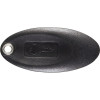
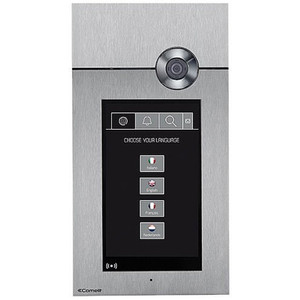
Comelit 909020256 K3010 Proximity Key Fob 10-Pack
Overview
The Comelit 909020256 is a 10-pack bundle of K3010 proximity key fobs engineered for access control systems requiring reliable RFID-based credential authentication. These fobs operate on the 125 kHz standard frequency used across most access control reader installations, making them a practical choice for multi-unit property deployments where credential provisioning speed matters. Each fob in the pack is independently programmable and suitable for both standalone and networked access control architectures.
Key Features
- 125 kHz RFID Protocol: Operates on the industry-standard 125 kHz frequency used by the vast majority of access control readers — ensures compatibility with existing reader infrastructure without additional converter hardware or integration complexity.
- 10-Unit Pack Configuration: Bundling reduces per-unit cost and eliminates the need to source fobs individually across multiple orders, particularly valuable when deploying access control across a residential complex, warehouse facility, or multi-tenant commercial property.
- Proximity Authentication: Read-range operation (typically 6–12 inches, depending on reader model) eliminates contact-based wear on credentials and reader hardware, reducing field maintenance overhead compared to swipe-card systems.
- Programmable Credential Assignment: Each fob is assignable to a unique user or access zone via standard access control administration tools, allowing rapid credential distribution during tenant move-ins or security policy changes.
- Compact Form Factor: Keychain-ready design enables occupants to integrate access credentials into existing key rings, reducing lost-credential incidents and improving user adoption on larger installations.
- Standalone and Networked Integration: Compatible with both traditional hardwired access control panels and IP-networked architectures, supporting mixed-deployment scenarios where legacy and modern systems coexist.
Integration & Compatibility
The 909020256 fob set integrates with Comelit access control systems and third-party readers that support standard 125 kHz proximity protocols. Before deployment, verify that your existing reader hardware is configured for 125 kHz operation — some dual-frequency readers may require firmware or configuration changes to enable proper fob detection. Installation integrators should confirm reader commissioning during system setup to avoid post-deployment credential activation failures.
What's in the Box
- 10x Comelit K3010 Proximity Key Fobs
Frequently Asked Questions
Q: Is the Comelit 909020256 compatible with third-party access control systems?
A: The K3010 fob operates on the standard 125 kHz proximity protocol, which is widely supported across access control readers. Compatibility depends on your specific reader hardware — ensure your system supports 125 kHz before ordering. Consult your access control system documentation or integrator for confirmation.
Q: What is the read range of the K3010 fob?
A: Read range varies by reader model and antenna design, typically between 6 and 12 inches. Refer to your specific reader's datasheet for exact performance specifications under your deployment conditions.
Q: Can I program the K3010 fobs myself, or do I need a technician?
A: Fob programming is handled through your access control system's administrator software or hardware panel. The level of technical skill required depends on your system architecture — consult your system documentation or integrator for guidance.
Q: What happens if a tenant loses a fob?
A: Deactivate the lost credential through your access control system's administrative interface, then program and issue a replacement fob from inventory. The 10-pack provides spare units for rapid credential replacement without external ordering delays.
Q: Will the K3010 fobs work outdoors?
A: The fobs themselves are not rated for outdoor environmental stress (rain, temperature extremes, UV). They are designed for indoor or covered-entry environments where occupants carry them as credentials. For outdoor access points, use weather-rated reader hardware and keep credential distribution indoors.
Ted PerryPerspective based on aggregated IP Security Depot and affiliated engineering team experience.
I typically recommend the Comelit 909020256 fob bundle for integrators deploying access control across multi-unit residential or small commercial properties where credential velocity is high — tenant turnover, shared-use facilities, or rapid commissioning timelines. The 10-pack reduces procurement friction and eliminates single-unit reorder cycles that slow deployment in the field.
Technical Highlights:
- 125 kHz Standard Protocol: Operates on the universal proximity frequency — no format conversion hardware required, which simplifies reader qualification and reduces integration unknowns when deploying into mixed-brand or legacy systems.
- Bulk Credential Provisioning: Bundling ten fobs in a single SKU (909020256) cuts procurement overhead and ensures spare inventory is immediately available for rapid tenant onboarding or field replacement without waiting for emergency orders.
- Programmable per Credential: Each fob receives independent access zone assignment through your panel or software, so occupant mobility changes (moving between units, role changes) are handled through admin reconfiguration rather than hardware swaps.
Deployment Considerations:
- Confirm reader hardware supports 125 kHz mode before ordering — some dual-frequency readers require firmware configuration, and you don't want to discover this during system commissioning.
- Plan credential lifecycle management: 10 fobs go fast on larger properties. Establish a reserve stock and a deactivation workflow for lost credentials so tenant transitions don't become administrative bottlenecks.
Best fit: Residential or small commercial access control where speed of credential provisioning and ease of replacement matter more than fancy multi-factor schemes. Avoid if you're targeting high-security areas (data centers, server rooms) where proximity credentials alone are insufficient — pair with PIN or biometric readers instead.