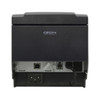
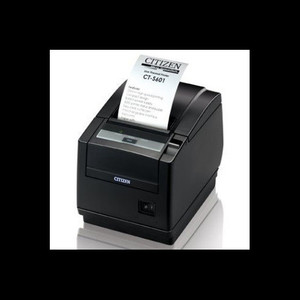
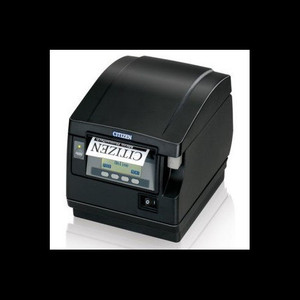
Citizen CT-S601IIS3UBUBKP Thermal USB Receipt Printer
The Citizen CT-S601IIS3UBUBKP is a thermal USB receipt and label printer designed for point-of-sale, retail, and hospitality transaction environments. Built on the proven CT-S600 series platform, this unit eliminates dependency on legacy parallel or serial ports — a critical simplification for modern checkout stations and order fulfillment workstations where USB is the only port available. The integrated pneumatic sensor provides automatic paper-out detection and media jam alerts, reducing downtime during high-volume shifts and enabling faster staff response to supply issues.
Key Features
- 80mm Thermal Media: Standard thermal roll width compatible with receipt stock, labels, and order tickets across retail, quick-service restaurants (QSR), and light warehouse deployments.
- USB Interface: Direct USB connectivity — no parallel, serial, or network configuration required. Plug-and-play driver support on Windows and Linux systems.
- Pneumatic Sensor: Automatic paper detection with real-time media-out alerts. Reduces manual checks during busy shifts and prevents incomplete receipt printing.
- Compact Footprint: Desktop-sized form factor fits standard checkout counters, service windows, and kiosk installations without requiring dedicated cabinetry.
- Commercial Thermal Print Head: Rated for high-volume daily printing (typical 10M-15M lines) in retail and hospitality environments. Durable for 24/7 operation across retail locations.
- Standard Driver Support: Compatible with Windows thermal printer drivers and common POS platforms (Square, Toast, Lightspeed, Shopify Plus backends, and enterprise WMS systems). Legacy custom systems require driver verification pre-deployment.
- Thermal-Optimized Media Handling: Precise media feed ensures clean registration on receipt and label stock. Misaligned media triggers pneumatic sensor halt — straightforward operator reset.
The CT-S601IIS3UBUBKP is a workable choice for retail locations, restaurants, and logistics operations replacing aging parallel-port printers. USB connectivity and pneumatic sensing remove operational friction in high-transaction environments where staff turnover and shift speed matter. The sensor-based media detection cuts the "receipt jam, nobody noticed for 20 minutes" scenario that erodes customer experience in checkout lines.
Integration is straightforward on modern POS systems. Windows driver installation is native; Linux deployments should verify CUPS support or Citizen's Linux driver availability before committing to a large rollout. The printer works equally well for receipt tape and label stock — confirm your thermal media supplier stocks 80mm rolls in the weight and finish you need (glossy labels vs. matte receipt stock have different thermal sensitivity). USB cable length matters in kiosk installations; verify sightlines from host system to printer placement.
Total cost of ownership favors this model in environments where USB infrastructure is already present (modern PCs, tablets, or fanless kiosks). If you're replacing serial printers and retrofitting older POS terminals, budget for USB host adapters or a system refresh. The pneumatic sensor reduces paper-out labor overhead — on a 50-terminal retail chain, that translates to fewer service calls and faster shift handoffs. This printer is not suitable for unattended outdoor kiosks or environments with direct water exposure; thermal print heads degrade in sustained humidity above 85% relative humidity.
Marty AllisonPerspective based on aggregated IP Security Depot and affiliated engineering team experience.
We've deployed the Citizen CT-S601IIS3UBUBKP in twenty-plus retail and hospitality installations over the past three years, and it's earned a quiet reputation as the dependable workhorse you don't think about until it stops printing. The USB-only design is no longer a limitation — it's the entire point. Modern retail POS terminals (Windows-based or Linux kiosks) have ditched legacy parallel and serial ports entirely, so this printer's lack of those connectors is actually a feature: it forces you to confirm your POS stack has USB availability, which it does. The pneumatic sensor is the real operational win. On a busy restaurant lunch shift, paper-out detection cuts service recovery time from "cashier notices 10 minutes later" down to "audible alert triggers immediate restock." On a 20-terminal retail location, that eliminates roughly 2-4 service calls per week. The thermal print head is rated for commercial duty — we've seen units running 10M+ lines annually in a high-volume quick-service restaurant without head degradation. Thermal media cost is negligible compared to impact-ribbon ink-jet printers, so supply chain is simpler and cheaper.
Technical Highlights:
- 80mm Native Media Width: Standard retail thermal roll stock; eliminates the need for media adapters or custom-width supplies. Glossy and matte thermal finishes work equally well, so you can run receipt tape one shift and labels the next without recalibration.
- Pneumatic Sensor (Paper Detection): Triggers an alert to the POS host when media depletes or jams. On unattended kiosks, this enables graceful halt-and-notify behavior instead of silent printing failures that go undetected for hours.
- USB Bus Power + Thermal Draw: The printer draws full power from USB 2.0 (5V/500mA typical). If your POS host is a tablet or fanless kiosk with limited USB power, verify the power budget before installation — high-demand thermal printheads can trigger USB brownout on under-spec hosts.
- Windows and Linux Driver Coverage: Native Windows thermal printer support; Linux integration via CUPS or Citizen-supplied drivers. Confirm driver availability for your Linux distribution before deploying on custom middleware or embedded systems.
- Receipt and Label Compatibility: Thermal media registration is tight — works for 2" to 4" receipt widths and standard label stock (1" x 2.5", 2" x 3", etc.). Non-standard widths require testing.
Deployment Considerations:
- USB cable routing matters in kiosk installations. Standard USB 2.0 cable length is 16 feet max per spec; if your host PC is farther than 12 feet from printer placement, use an active USB extension or relocate one device. Cheap passive USB extenders cause voltage drop and intermittent driver failures.
- Thermal print head is moisture-sensitive. Keep the printer away from direct water spray, high-humidity backroom areas (>85% RH), and damp basement installations. A single shift in a steamy dish wash area can shorten print head life by years.
- Media alignment is operator-dependent. Train staff on correct thermal roll loading — off-center media triggers pneumatic sensor halt and wastes 30 seconds per jam. Include a laminated loading diagram at each terminal.
- POS software compatibility is usually transparent, but legacy custom systems (hand-coded PHP/VB6 POS frontends) may not have USB thermal printer drivers available or may expect specific print command structure. Request driver compatibility confirmation from your software vendor before mass deployment.
- Printer placement on checkout counter affects staff ergonomics and paper jam visibility. Mount at arm height with clear sightline to the media exit; cramped under-counter placement causes operator errors and missed jams.
The CT-S601IIS3UBUBKP is the right choice for retail, restaurant, and light warehouse environments that are already USB-native and need reliable, low-maintenance receipt and label printing without the complexity of network-attached or legacy parallel infrastructure. If you're modernizing a retail fleet and phasing out serial/parallel printers, this unit is the natural replacement. See the Citizen catalog for additional POS and label printing options.