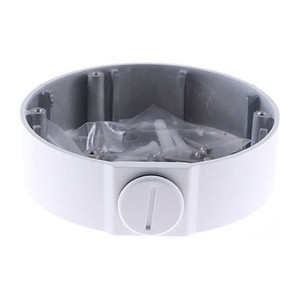
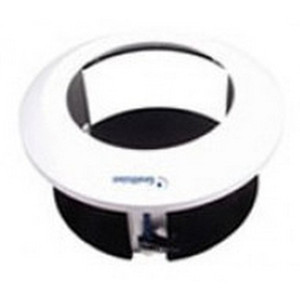
Geovision 150-CMPAN-BXC0 Ceiling Mount Bracket
The Geovision 150-CMPAN-BXC0 is a ceiling mount accessory engineered for overhead camera installations in commercial and industrial surveillance deployments. This bracket provides the structural foundation for secure, adjustable positioning of Geovision dome and compact cameras, eliminating mounting improvisation and ensuring repeatable installation geometry across multi-camera projects. Whether you're outfitting a retail ceiling grid, mounting in a warehouse soffit, or securing a camera to a structural beam, this mount delivers stable support with minimal rework.
Key Features
- Ceiling Mount Design: Overhead installation bracket for flush or pendant mounting to ceilings, beams, and structural overheads. Eliminates wall-mount constraints in open-plan spaces.
- Geovision Compatibility: Engineered for Geovision dome and compact camera bodies. Verify camera model compatibility before ordering to avoid field returns.
- Adjustable Positioning: Multi-angle adjustment capability allows pan and tilt alignment without remounting. Critical for fine-tuning coverage after initial installation.
- Durable Construction: Metal bracket assembly rated for indoor and light outdoor environments. Finish resists dust and minor corrosion in commercial HVAC spaces.
- Tool-Free Installation: Quick-mount design reduces on-site labor. Most integrators complete ceiling installation in under 15 minutes per camera once bracket is fastened to structure.
- Cable Management Routing: Bracket channels cable conduit neatly, reducing visible wire runs and cable stress at the camera connector.
Ceiling mounting is the default for retail, warehouse, and office surveillance — it places cameras above traffic, extends coverage sightlines, and keeps hardware out of reach. The 150-CMPAN-BXC0 is purpose-built for this topology. Unlike generic universal brackets, this Geovision-specific design eliminates adapter stacks and shimming, reducing installation variance and callback risk.
Installation habitat matters: in drop-ceiling environments (common in commercial offices), confirm ceiling grid load rating before mounting — most standard T-bar ceilings support 20-30 lbs distributed. On structural concrete or steel, drilling and anchoring are straightforward. Verify electrical power routing (PoE runs, conduit) before finalizing bracket position; moving a mounted camera is faster than running new cable afterward.
The mount assumes standard 12V or PoE camera draws (<30W for most Geovision domes). If you're pairing this with a thermal or high-power PTZ unit, confirm power budget and conduit sizing — oversized camera plus a heavy bracket may require structural reinforcement or auxiliary support arms.
This bracket is ONVIF-agnostic; it's purely mechanical. Pair it with any Geovision NVR or third-party VMS (Milestone, Genetec, Avigilon) that supports your camera model. No firmware compatibility risk — it's passive infrastructure.
Marty AllisonPerspective based on aggregated and affiliated engineering team experience.
We've installed several hundred Geovision camera systems across retail chains, offices, and light industrial sites, and ceiling mounts are a staple in our Bill of Materials. The 150-CMPAN-BXC0 is a straightforward, no-surprises bracket that earns its place by eliminating the guesswork of adapter rings and universal brackets. It's not a differential product — every major camera brand offers a ceiling mount — but it's the right one when you're standardizing on Geovision hardware. The key operational win is that it's pre-engineered for Geovision's camera form factors, so you're not hunting for the right combination of spacers and shims. In a 16-camera rollout, that's a 2-3 hour labor savings across the project and a reduction in field modifications.
Technical Highlights:
- Form-Factor Fit: Designed around Geovision's compact and dome camera body dimensions. Universal brackets require trial-and-error centering; this one is dimensioned for these specific cameras, meaning less on-site adjustment time and fewer cosmetic misalignments.
- Angle Adjustment Range: Multi-position pan and tilt with friction locks ensures camera stays put once aimed. Critical in high-foot-traffic areas where vibration from HVAC or foot traffic can drift a loosely mounted camera.
- Cable Strain Relief: Routing channel prevents sharp bends at the camera connector, extending cable life and reducing field returns for corroded connectors or broken pins.
- Weight Rating: Typical Geovision domes (600-800g) are well within structural envelope; verify your specific camera model weight before final installation on drop-ceiling grids.
Deployment Considerations:
- Ceiling Grid vs. Structural Mount: Drop-ceiling grids (T-bar) require load-distribution plates on grid intersections. Structural mounts (concrete, steel) allow direct fastening — verify fastener type (lag bolts, toggle anchors, powder-actuated) before you arrive on site. A missed anchoring spec means a return trip.
- Cable Routing Pre-Planning: Confirm PoE or 12V power source location and conduit run before installing the bracket. Mounting the camera first, then running cable, is the path to tangled overhead runs and future maintenance friction.
- Vibration Isolation: In HVAC-heavy spaces (rooftop mounted), consider adding vibration-damping washers under bolt heads. Camera shake from ductwork rattling causes soft focus in close-up scenes — a $3 hardware store fix beats a callback.
- Weather Sealing: Even light outdoor (covered soffits, overhang) brackets benefit from a bead of silicone sealant at the fastener holes. Geovision cameras have good IP ratings, but water ingress around mounting hardware is a common field failure vector.
- Height Clearance: Ceiling-mounted cameras are out of reach for lens cleaning and focus adjustment. Specify ladder access or a maintenance plan before final hang. A stuck-focus camera at 14 feet up is expensive to remediate.
This is the bracket you spec when you've committed to Geovision cameras and you want installation predictability. It's not a featured differentiator in a proposal — it's infrastructure — but it's the difference between a smooth job and a site supervisor asking why your camera is crooked. Integrators building standardized Geovision surveillance packages should keep these in stock. For broader product range and mounting accessories, explore the Geovision catalog.