Axis 0820-001 Network I/O Relay Module
Overview
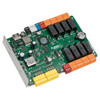
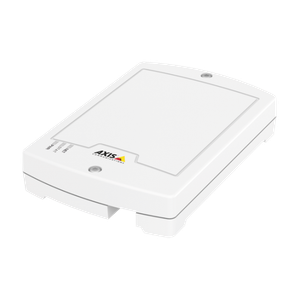
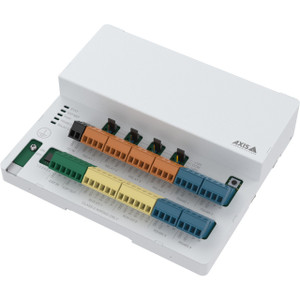
The Axis 0820-001 is a network-based I/O relay module that bridges physical control devices (door locks, lighting, HVAC, alarms) with Axis security systems and third-party software platforms. It provides 8 configurable digital inputs and 8 form C relay outputs, letting you centralize access control, alarm notification, and facility automation through a single network interface instead of running separate hardwired circuits to each device. Deploy this where you need to automate responses to security events — a motion alert triggers a door lock, or a tamper signal activates a strobe light — without rewiring your building.
Compatibility
The 0820-001 integrates with Axis access control systems including the AXIS A1001 Network Door Controller, AXIS Video Hosting System, and AXIS Camera Station. It also supports third-party software via open VAPIX API, making it compatible with many enterprise VMS platforms that implement Axis integration standards. Supervised input support detects faults and tampering on monitored circuits — critical for systems that require real-time integrity verification. If you are running Axis cameras or recorders with network-based access control logic, this module is the natural extension point.
Installation Notes
The 0820-001 accepts three power sources: PoE+ (High Power over Ethernet), 12V DC, or 24V DC. Choose PoE+ if your network switch budget and cable runs support it — eliminates a separate power supply at the device location. Use 12V or 24V DC if you are running local hardwired power or integrating with existing DC-powered infrastructure. Relay outputs are form C (changeover), meaning each can switch common, normally open, and normally closed contacts — flexibility to drive both energized and de-energized loads. Wire inputs and relay commons according to your automation logic and local electrical code; supervised input detection requires proper circuit continuity from the time of commissioning. No moving parts or mechanical switches on the relay contacts — solid-state switching means faster response and longer service life than electromechanical relays in high-cycle applications.