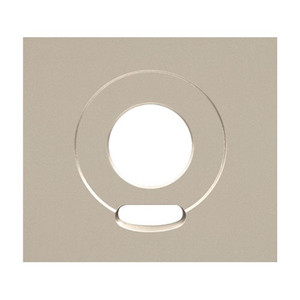
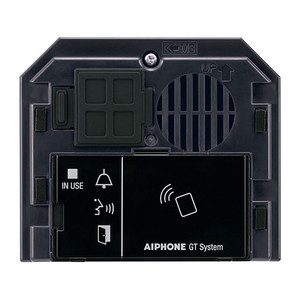
Aiphone GT-DB Audio Module for GT Modular Entrance Panel
Overview
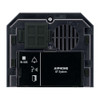
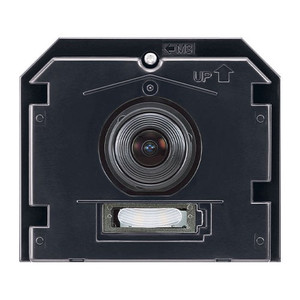
The Aiphone GT-DB is an audio communication and door release module purpose-built for the GT modular entrance panel system. This component delivers two-way audio intercom functionality paired with an integrated electromechanical relay for access management in multifamily residential and commercial entry installations. The GT-DB (often searched as GT DB) provides a standardized interface within the Aiphone GT series modular architecture, enabling flexible system scaling from single-entry to multi-unit deployments without requiring separate external relay hardware.
Key Features
- Two-Way Audio Communication: Delivers audio-only intercom functionality integrated directly into the GT modular entrance panel — meaning no separate audio module or external amplifier required when voice communication alone meets your entry verification needs. Reduces panel footprint and simplifies wiring on secondary or service entrances.
- Form C Contact Relay with Timer: Integrated electromechanical relay (make-break-common configuration) eliminates the need for an external relay in many installations. The timer function automates door strike or magnetic lock sequences without additional controller logic — a real cost saving when deploying multiple entrance panels across a property.
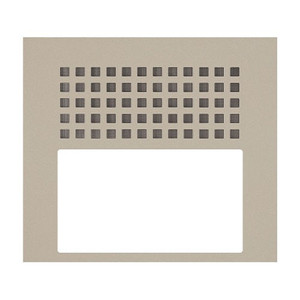
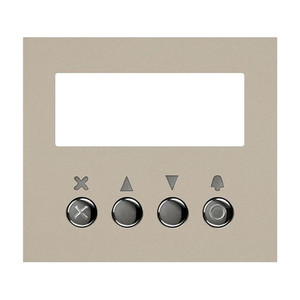
- Modular Mounting on GT Front Frames: Mounts on supplied bracket compatible with GT-4F, GF-3F, and GF-2F front frames. This modular form factor means you can mix audio-only modules at secondary entrances while deploying video modules (GT-VB) at primary access points on the same panel architecture — no need to specify different panel types.
- Fire-Resistant ABS Enclosure: Constructed from fire-resistant ABS plastic to comply with building safety codes. Protects internal relay and audio circuitry while meeting flame-spread requirements in multifamily residential and commercial settings.
- DIP Switch ID Configuration: Entrance ID assignment via DIP switch settings on SW2 supports ID numbers 1–16, enabling multi-panel deployments without separate programming interfaces. Each module identifies itself within the GT system for call routing and logging — standard practice in larger multifamily complexes.
- Standardized 2-Conductor Wiring: Accepts solid copper, non-braided polyethylene cable (Aiphone part number 872002 recommended). This specification ensures reliable signal integrity over extended cable runs — critical when entrance panels are located far from the main control station.
Integration & Compatibility
The GT-DB integrates within the full Aiphone GT series ecosystem. When deployed with the GT-MCx controller, note that ID#1 is reserved for the controller itself — plan your entrance ID assignments to use ID#2–16 to avoid conflicts. The module pairs with audio-only tenant stations (GT-1A) and supports parallel installation with video modules (GT-VB) on the same entrance frame, allowing mixed-feature deployments. Configuration is performed via DIP switch settings at installation time; the GT Series Installation Manual provides detailed switch tables and ID assignment procedures.
Electrical Specifications
Power distribution and door release control are managed through the GT series control panel. The GT-DB provides a Form C (make-break-common) contact configuration rated for standard 12VDC or 24VDC door strike and magnetic lock devices — check your door hardware specification to confirm voltage compatibility. Cable runs should use 2-conductor, solid copper, non-braided cable with polyethylene insulation (Aiphone part 872002) to maintain signal fidelity across longer distances. Maximum cable run lengths and relay load specifications are documented in the GT Series Installation Manual.
When to Choose a Different Module
If your entrance installation requires video monitoring alongside audio communication, evaluate the GT-VB video module or a hybrid panel configuration combining both modules. If you need only basic door release without audio intercom capability, consult the GT series architecture guide for relay-only alternatives. For systems requiring advanced analytics or network-based access logging, consider whether a networked video module would better serve your long-term integration roadmap.
Frequently Asked Questions
Q: Can I use the GT-DB on secondary or service entrances while deploying video modules on primary tenant entries?
A: Yes. The GT modular architecture supports mixed deployments — install audio-only GT-DB modules at secondary entrances and GT-VB video modules at primary access points using the same panel family and control infrastructure. This reduces cost at locations where audio verification is sufficient.
Q: What is the maximum cable run distance for the GT-DB?
A: Maximum cable run lengths are specified in the GT Series Installation Manual. Use 2-conductor, solid copper, non-braided cable (Aiphone part 872002) to maintain signal integrity. Verify your specific run distance against the manual before installation.
Q: Does the GT-DB require a separate external relay for door strike control?
A: No. The GT-DB includes an integrated Form C relay with timer function. In most installations, this eliminates the need for an external relay — a real advantage when deploying multiple entrance panels.
Q: Can I use ID. ID#1 is reserved for the GT-MCx controller. Assign entrance IDs 2–16 to your GT-DB and other modules to avoid conflicts.
Q: What door hardware does the GT-DB relay support?
A: The Form C relay supports standard 12VDC or 24VDC door strike and magnetic lock devices. Confirm your door hardware voltage rating before specifying cable and relay load.
Q: Is the GT-DB compatible with audio-only tenant stations?
A: Yes. The GT-DB pairs with audio-only tenant stations (GT-1A) within the GT series modular architecture.
Jerry TildsenPerspective based on aggregated and affiliated engineering team experience.
During integration planning for multifamily and commercial entrance control systems, the Aiphone GT-DB provides a cost-effective audio-only foundation when video capability is not required at all entry points. I've deployed this module in mixed-feature entrance panels where budget constraints or architectural limitations necessitate audio-only communication at secondary or service entrances, while video modules handle primary tenant access points. The GT-DB's integrated Form C relay with timer function eliminates external relay hardware in most installations — a real labor and parts savings.
Technical Highlights:
- Integrated Form C Relay with Timer: Eliminates the need for a separate external relay module in many door strike or magnetic lock applications. Timer sequencing is built in, reducing wiring complexity and controller dependencies on secondary entrance installations.
- Modular ID Configuration (1–16 via DIP Switch): DIP switch programming supports up to 16 unique entrance IDs without network provisioning or software tools. Simplifies rapid deployment in multifamily complexes and reduces on-site configuration time — just flip switches and power up.
- Fire-Resistant ABS Enclosure: Meets building safety flame-spread standards for multifamily residential and commercial installations. No additional certification testing or special handling required for panel mounting.
Deployment Considerations:
- ID#1 is reserved for the GT-MCx controller — you must assign entrance IDs 2–16 to avoid call-routing conflicts. Plan your ID scheme before commissioning to avoid retrofits.
- Maximum cable run distances are specified in the GT Series Installation Manual. Always use Aiphone part 872002 (2-conductor, solid copper, non-braided polyethylene) to maintain signal integrity — non-standard cabling voids the manufacturer's signal fidelity guarantee.
- Verify your door hardware voltage requirement (12VDC or 24VDC) before specifying power supply and relay load. The Form C relay handles both, but mismatched voltage will prevent proper strike/lock operation.
Best-fit scenario: secondary and service entrances in multifamily complexes where audio verification meets security requirements and upfront cost matters — paired with video modules on the main tenant entry. Also suitable for commercial office back-of-house or loading dock access where audio-only identification is standard practice.