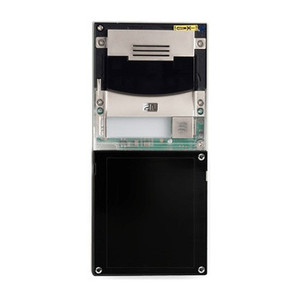
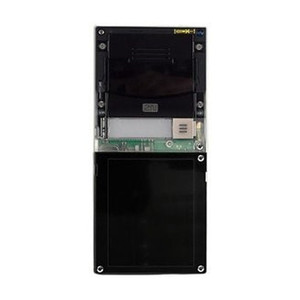
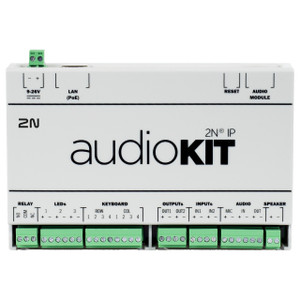
2N 01792-001 Verso Nickel LTE Video Intercom Main Unit
The 2N 01792-001 is a professional IP-based intercom station engineered for secure access control and visitor verification in environments where reliable communication matters more than proximity to traditional infrastructure. This cellular-enabled main unit integrates a built-in camera with H.264 compression and network connectivity, delivering two-way audio and video identification independent of wired network availability. Deploy this unit at building entry points, reception areas, or access-controlled checkpoints where network resilience is a requirement, not a convenience.
Key Features
- LTE Cellular Connectivity: Native LTE support means the 01792-001 operates independently of Ethernet infrastructure. Critical for remote buildings, temporary checkpoints, or disaster recovery scenarios where traditional network links may be compromised or absent. Reduces deployment time when fiber or copper runs are cost-prohibitive.
- Built-in Camera Module: Integrated camera supports real-time visitor identification and video verification. Wide-angle lens design ensures comprehensive coverage of entry zones without additional mounting complexity.
- H.264 Video Compression: Balances quality with bandwidth efficiency—particularly valuable in cellular deployments where monthly data caps or overage costs exist. H.264 remains the industry standard for reliability and codec support across VMS platforms.
- ONVIF Profile Compliance: Integrates directly with standard video management systems (Milestone, Axis Camera Station, and others) without proprietary software. Avoids vendor lock-in and enables centralized monitoring across mixed-brand camera deployments.
- SIP Protocol Support: Integrates with existing PBX and VoIP infrastructure, allowing intercom calls to route through your telephone system. Simplifies deployment in organizations already managing SIP-based communications.
- Expandable Module Architecture: Accessory slots accept proximity card readers, keypads, or additional sensors. Supports phased deployments—install the base unit now, add card readers or keypads as budget and requirements mature, without hardware replacement.
- Nickel Finish: Professional appearance suitable for modern corporate lobbies, office entrances, and secure facilities where aesthetics matter alongside function.
- IP-Based Architecture: Eliminates proprietary analog connections. All data flows over standard IP networks, enabling flexibility in integration and simplifying future upgrades.
Integration & Compatibility
The 01792-001 functions as a primary communication and verification point in multi-unit intercom systems. ONVIF compliance enables direct integration with enterprise VMS platforms, allowing centralized video feed management, archival, and audit trails. SIP support connects to existing PBX systems, routing intercom calls through your corporate telephone infrastructure. The modular design accepts future add-ons—card readers, keypads, sensors—without hardware replacement, making this unit a scalable foundation for growing security deployments across office buildings, apartment complexes, corporate campuses, and government facilities.
For integrators deploying the 01792-001 in multi-unit systems, the cellular fallback provides confidence: if your primary network link fails, the unit maintains communication independently. This is particularly valuable in rural locations, disaster-recovery scenarios, or temporary access checkpoints where redundancy justifies the cellular subscription cost.
When to Choose a Different Model
If your deployment has reliable, always-on Ethernet connectivity and no cellular redundancy requirement, consider a non-cellular 2N intercom variant in the same family. If you need higher resolution for long-distance visitor identification (beyond the wide-angle built-in camera), evaluate a separate network IP camera paired with a traditional intercom system. For applications requiring integration with on-site network video recorders (NVRs), confirm your NVR platform supports ONVIF—most modern units do, but legacy systems may require an additional gateway.
Frequently Asked Questions
Q: Does the 01792-001 work with my existing VMS platform?
A: If your VMS supports ONVIF Profile S or higher, yes. This includes Milestone XProtect, Axis Camera Station, and most enterprise platforms. Check your VMS documentation for ONVIF support before purchase.
Q: What is the video resolution and frame rate?
A: The built-in camera delivers standard IP intercom-grade video compressed via H.264. Exact resolution and frame rate are specified in the manufacturer datasheet—verify these against your application's identification requirements before deployment.
Q: Can I add a keypad or card reader later?
A: Yes. The 01792-001 (often searched as 01792 001) features modular expandability. Accessory modules install in designated slots without replacing the main unit, supporting phased growth of access control features.
Q: Do I need a separate power supply?
A: The cellular connectivity and processing draw power independently of traditional PoE infrastructure. Verify power requirements in the manufacturer datasheet for your installation scenario (wall power, backup battery, etc.).
Q: What cellular carriers does the 01792-001 support?
A: The unit operates on LTE networks. Verify carrier compatibility and SIM card requirements with the manufacturer or your installer before deployment in your region.
Q: Is the 01792-001 rated for outdoor use?
A: The Nickel finish and industrial design suggest weather-resistant deployment, but confirm IP/IK ratings in the manufacturer specification sheet before mounting in direct rain or impact-prone environments.
Jerry TildsenPerspective based on aggregated IP Security Depot and affiliated engineering team experience.
The 2N 01792-001 solves a genuine problem: most IP intercoms depend entirely on wired network infrastructure. If your fiber link fails or you're deploying in a location where trenching is impractical, traditional intercom systems become unusable. The 01792-001 changes the equation with native LTE fallback. That's not a marketing feature—it's a deployment game-changer for remote sites, disaster recovery, and redundant access points.
Technical Highlights:
- LTE Independent Operation: Operates without Ethernet dependency. Critical for field offices, temporary construction checkpoints, or rural facilities where reliable power and cellular coverage exist but network infrastructure doesn't yet. Reduces deployment cost when fiber runs are months or budget-prohibitive.
- H.264 Compression with Cellular Efficiency: H.264 balances quality with bandwidth. In cellular deployments, this matters—overage charges or data caps can exceed the cost of the hardware. Cellular intercom calls consume minimal bandwidth compared to uncompressed video, making this unit practical for carrier plans with reasonable data limits.
- ONVIF Compliance Eliminates Vendor Lock-In: Direct integration with any ONVIF-capable VMS. No proprietary gateway, no licensing surprise. For integrators managing mixed-brand camera deployments, ONVIF compliance is table stakes—the 01792-001 meets that requirement natively.
- Expandable Module Slots: Phased deployment support. Install the base unit, add proximity readers or keypads later as budget allows. No hardware replacement required. This flexibility appeals to organizations growing their access control footprint incrementally.
Deployment Considerations:
- Cellular Subscription Cost: LTE resilience requires an active data plan. Factor monthly carrier charges into total cost of ownership, not just hardware cost. For permanent deployments, this is ongoing expense—budget accordingly.
- Video Quality Expectations: Built-in wide-angle camera is optimized for entry identification, not long-distance recognition. If you need to identify faces at 30+ feet, pair this intercom with a separate dedicated IP camera rather than relying solely on the built-in module.
- SIP Routing Complexity: If you're routing intercom calls through an existing PBX, test dial plans and call routing before production deployment. SIP integration with legacy PBX systems can expose timing or codec mismatch issues—plan integration testing accordingly.
The 01792-001 is the right choice for security integrators deploying access control in locations where network reliability matters more than cutting hardware cost. Government facilities, remote offices, temporary construction checkpoints, and disaster-recovery scenarios benefit most from LTE independence. If your site has redundant Ethernet and cellular is optional, a standard IP intercom may be more cost-effective. But if network independence is a requirement, the 01792-001 eliminates the complexity of adding cellular gateways or backup systems—it's built in from the start.