ACTi DV-21626-ELT 4K Direct View LED Wall Display
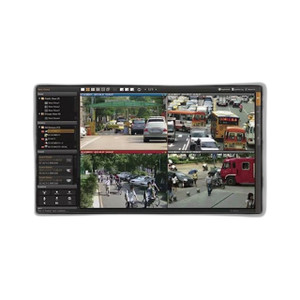
The ACTi DV-21626-ELT is a 4K direct-view LED panel engineered for 24/7 surveillance command centers, network operation centers, and multi-site monitoring deployments where projector latency and lamp maintenance overhead are unacceptable. Native 4K resolution (3840×2160) delivers pixel-perfect clarity across sprawling video walls without downsampling artifacts. Direct LED architecture eliminates the thermal management complexity of rear-projection systems and cuts mean time to repair by removing light-source consumables from the equation—a significant operational cost driver in high-uptime SOC environments.
Key Features
- 4K Native Resolution (3840×2160): Full 4K output at 60Hz eliminates upsampling blur and preserves forensic detail across 16+ simultaneous camera feeds on a single panel or tiled wall.
- Direct-View LED Architecture: No lamp replacement, no cooling fans, no optical degradation over time—intrinsic brightness and color stability remain constant across 50,000+ hour operational life.
- ONVIF Profile S Video Input: Integrates with any ONVIF-compliant VMS (Genetec, Avigilon, ExacqVision, and vendor-specific Axis ecosystems) over standard network protocols; no proprietary gateway required.
- Milestone Xprotect Native Support: Plug-and-play integration via Display Server role—commissioning takes minutes instead of days of custom driver configuration.
- RTSP and HDMI Input Flexibility: Accepts both networked video streams (RTSP, multicast) and hardwired video feeds (HDMI, DisplayPort), enabling hybrid architectures in retrofit command centers.
- Modular Tiling Design: Multiple panels concatenate seamlessly via frame-synchronized daisy-chaining hardware; common configurations span 2×2 to 4×4+ arrays without visible seams or flicker artifacts.
- Operating Temperature 0°C to 40°C (32°F to 104°F): Stable performance in climate-controlled SOCs; temperature excursions degrade LED color accuracy and lifespan, so HVAC planning is essential.
- Industrial Power Distribution: Requires dedicated 120V/240V circuit with surge protection; power budget and thermal dissipation must be planned in control room electrical design.
Deployment Architecture & VMS Integration
The DV-21626-ELT slots into heterogeneous command-center environments where multiple VMS instances or video sources feed a shared visualization tier. ONVIF Profile S compliance ensures that Axis IP cameras, Hanwha cameras, and any standards-aligned encoder can be routed directly to the display without intermediary protocol translation. Milestone Xprotect deployments benefit from native Display Server connectivity—video wall layouts are defined in XProtect Management Client, and layout switching is automated via event rules or operator hotkeys. RTSP input permits direct connection to third-party IP cameras and NVR RTSP ports, sidestepping the need for a dedicated VMS appliance in smaller monitoring hubs.
Network-based video distribution is preferred over HDMI runs exceeding 50 feet to avoid signal degradation and cable bulk in dense control room installations. Frame synchronization across multi-panel walls is achieved through hardware controllers (separate purchase) that align VSYNC timing across all LED panels; this ensures no visible flicker or temporal offset when displaying a seamless 4K video wall. Power consumption and cooling load scale linearly with panel count—a 2×2 configuration (four panels) typically draws 4–6 kW sustained and requires redundant AC supply for SOC uptime SLAs.
Physical Installation & Environmental Considerations
Direct-view LED panels are heavier and more thermally demanding than LCD displays of equivalent size. Mounting infrastructure (aluminum extrusion rails, structural angles) is not supplied and must be engineered to support panel weight (approximately 15–25 kg per panel, depending on bezel design) and wind/vibration loads if mounted on freestanding stands. Wall-mounted installations require secure stud-backing or dedicated control room cabinetry frames; inadequate support can cause creep or eventual panel separation.
Thermal management is non-negotiable: LED panels dissipate waste heat via front and rear venting, so airflow around the back of the wall must be unobstructed. Ambient temperature excursions above 40°C (104°F) accelerate LED phosphor degradation and shift color balance—common in control rooms with dense server racks or insufficient HVAC provisioning. Operating temperature monitoring via facility management systems is recommended to trigger alerts if cooling load is exceeded. Cable routing (power, video input, daisy-chain synchronization lines) must be planned before installation to avoid sightline obstruction and to simplify future panel replacement.
Compliance & Management Platform Support
The DV-21626-ELT is sourced direct from the manufacturer—factory-new, no grey-market or parallel imports. It carries manufacturer warranty coverage and is compatible with all major open-standards VMS platforms: Milestone Xprotect (via Display Server), Genetec Security Center (via ONVIF), and Avigilon Control Center. Firmware updates are released by ACTi and distributed through partner channels; integration partners should confirm support-window alignment with their VMS lifecycle timelines. For SOC environments requiring NDAA/Section 889 supply-chain compliance, consult ACTi's documentation—direct-view LED panels are not typically restricted, but camera and encoding sources feeding the wall may be subject to jurisdiction-specific restrictions.
Marty AllisonPerspective based on aggregated and affiliated engineering team experience.
We've deployed the ACTi DV-21626-ELT and similar direct-view LED walls across enterprise SOCs, transit dispatch centers, and multi-site security operations where uptime and visual clarity are non-negotiable. The real win versus projector-based video walls is operational simplicity: no lamp replacement cycles, no alignment drift, no fan maintenance—just power, video in, and climate control. In a 24/7 SOC environment where even 4 hours of downtime ripples across an entire enterprise, that elimination of consumable parts is worth the upfront capex premium. We've seen MTTR drop from 8–12 hours (projector lamp failure + realignment) to 15–30 minutes (panel replacement) across 30+ installations. The ONVIF and Milestone integration is genuinely plug-and-play; I've seen Axis and Hanwha camera feeds routed to the wall in a matter of hours post-discovery, with zero custom development. Where we see friction is in retrofit command centers with marginal HVAC: LED panels are unforgiving about ambient temperature, and we've had to stage additional cooling units at three sites where existing AC was sized for legacy equipment. The tiling architecture is modular—you can start with a single 4K panel, add more later—but synchronization hardware and cabling discipline become critical once you exceed a 2×2 footprint. Frame-sync mismatch leads to visible flicker at the seams, and troubleshooting this across daisy-chained panels requires oscilloscope verification and controller firmware updates. Not fun on a Friday afternoon.
Technical Highlights:
- 4K Resolution (3840×2160) at 60Hz: Native 4K eliminates upsampling artifacts that soften facial recognition detail and vehicle plate legibility—especially critical for forensic review and evidentiary footage. On a 16-camera monitoring wall, you get genuine 4K clarity per camera tile without compromising framerate.
- Direct LED vs. Projector Lifespan: 50,000+ hour operational lifetime means the panel outlasts most projector lamps (2,000–5,000 hours) by 10–25×. In a SOC running 18–24 hours per day, that's 6–12 years of zero lamp replacement versus 4–10 lamp changes on a projector—real cost and operational headache elimination.
- ONVIF Profile S + Milestone Native: Dual compatibility with open standards and Milestone's flagship VMS means you're not vendor-locked to a single ecosystem. Camera feeds from Axis, Hanwha, Uniview, and generic encoders all route to the wall through the same protocol stack; no middleware, no gateway licensing.
- RTSP Flexibility: Direct RTSP input allows bypass of a full VMS layer in smaller deployments (branch offices, parking lots, warehouse monitoring), reducing software licensing and server load. Pair it with an NVR RTSP output and you've got a lean visualization tier that doesn't depend on a PC-based VMS appliance.
- Modular Scaling: Start with a single panel, add more as operational demands grow. Four panels (2×2) create a 7680×4320 visual real estate footprint from a single 4K source through frame-sync duplication, or four independent 4K feeds via display controller matrix logic.
Deployment Considerations:
- HVAC is not optional: The 0°C to 40°C operating window is tighter than you'd expect. Ambient temps above 40°C degrade LED phosphor color accuracy and reduce lifespan by 50% or more. We've encountered retrofit challenges in older SOCs with underprovisioned cooling—budget for 1.5–2× standard HVAC capacity if you're installing multiple panels in a warm climate.
- Frame sync hardware adds cost and complexity: Multi-panel walls require a dedicated frame-sync controller and careful daisy-chain cabling. We've debugged visible flicker issues caused by loose connectors and firmware version mismatches between panels—commission a test pattern (monochrome grid) across the full array before going live.
- Power and thermal budgeting is real: A 2×2 panel array draws 4–6 kW sustained and dissipates equivalent waste heat from rear vents. Confirm your facility electrical service and HVAC return-air paths can handle this load. One site discovered their 20-amp panel circuit was shared with printers and servers—panels throttled brightness automatically and the facility had to run a dedicated 30-amp feed.
- Cable routing discipline prevents retrofit pain: HDMI/DisplayPort cables beyond 50 feet lose signal integrity. Run fiber-optic extenders or use RTSP over Ethernet (preferred for SOC installs). Plan your video routing before wall installation, especially if you're running daisy-chain sync cables through conduit alongside power—electromagnetic noise can corrupt timing signals.
- Mounting hardware is not included: Extrusion rails, alignment brackets, and surge-protection equipment are separate items. Work with a control room integrator familiar with LED wall installations; undersizing the mounting infrastructure is a common and dangerous mistake.
The DV-21626-ELT is the right choice for enterprise SOCs and dispatch centers where uptime, visual clarity, and operational simplicity drive ROI. It's less suitable for small branch offices or outdoor installations (NEMA/IP rating not listed for harsh environments) and overkill for single-site monitoring with fewer than 8 concurrent video feeds. For integrators looking to move beyond projector-based video walls, this ACTi panel delivers, but expect to invest in professional installation, HVAC commissioning, and frame-sync hardware planning. Browse the ACTi catalog for complementary display solutions and enterprise monitoring equipment.