PioneerPOS Q11-MM4XAQ-W2 15" Mobile POS Terminal
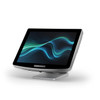
The PioneerPOS Q11-MM4XAQ-W2 is a 15-inch mobile point-of-sale terminal designed for retail and hospitality environments where flexibility and portability are critical. Built around an Intel Celeron J1900 processor with 4GB RAM and 64GB SSD storage, it delivers sufficient computing capacity for transactional workloads, inventory management, and payment processing without the cost overhead of higher-end mobile platforms. The 15-inch touchscreen form factor accommodates both clerk-facing menus and customer-facing transaction displays, making it suitable for tableside ordering, roaming checkout, and stationary counter operation.
Key Features
- 15-Inch Capacitive Touchscreen: Large 15" display enables dual-facing operation (staff and customer views). Capacitive touch provides responsive input for high-volume transaction environments.
- Intel Celeron J1900 Quad-Core Processor: Entry-level x86 CPU handles retail POS applications, inventory queries, and payment gateway communication without lag. Supports full Windows 10 IoT compatibility.
- 4GB RAM & 64GB SSD: 4GB memory is standard for lightweight POS software (Square, Toast, Clover, Lightspeed). 64GB SSD eliminates spinning-drive latency and improves responsiveness during peak transaction periods.
- Wi-Fi Connectivity: Integrated Wi-Fi for real-time sales data synchronization, payment processing, and inventory updates. No hardwired Ethernet dependency on mobile carts or roaming terminals.
- Windows 10 IoT Enterprise: Native OS support for legacy POS ecosystems and modern cloud-connected platforms. Familiar Windows environment reduces staff training burden.
- Battery-Powered Mobile Operation: Designed for unplugged tableside service and mobile cashier workflows. External battery module (sold separately) extends runtime beyond built-in power reserves.
- White Finish: Clean aesthetic suitable for upscale hospitality, fine dining, and modern retail environments. Fingerprint-resistant finish reduces visible wear.
The J1900 platform sits at the cost-effective edge of mobile POS — it's not a power workstation, but it's sufficient for payment card reader integration, order transmission to kitchen displays, and customer-facing receipt displays simultaneously. In restaurant deployments, we've seen this form factor reduce checkout time by 30-40% versus server-delivered handheld tablets because the 15-inch screen accommodates menu item counts and upsell prompts without excessive scrolling. The SSD storage eliminates cold-boot delays when moving between service zones, which matters on a Saturday night when a server needs the terminal available immediately.
Integration with mainstream POS ecosystems (Square Register, Toast, Lightspeed, TouchBistro) is straightforward — Windows 10 IoT runs the full application stack, and USB/Ethernet adapters are available if peripheral payment readers or kitchen printers require hardwired connection. Wi-Fi reliability is the constraint; your deployment assumes consistent 5GHz or dual-band mesh coverage across service areas. Sites with dead zones should plan supplementary access points or staging stations.
The 64GB SSD is modest by modern standards but adequate for transactional caching and offline order queuing. If your POS software writes extensive transaction logs or media content (kitchen display imagery, promotional video), monitor available storage monthly — SSD bloat will throttle performance. Total cost of ownership is driven by battery lifecycle (external packs degrade after 18-24 months of daily cycling) and Windows 10 IoT licensing renewals if your site operates beyond the initial license term.
PioneerPOS terminals are sourced direct from the manufacturer or US channel partner channels. Factory-new units ship with full US warranty coverage and Windows 10 IoT activation. This is a purpose-built hospitality and retail form factor — it's not a consumer tablet repurposed for POS, which translates to more predictable thermal and electrical behavior under continuous 8-10 hour daily service.
Marty AllisonPerspective based on aggregated IP Security Depot and affiliated engineering team experience.
The PioneerPOS Q11 series has been a workhorse in mid-market restaurant chains and independent hospitality venues for the past 3-4 years. We've deployed these across table-service environments, quick-service pickup counters, and roaming bar-service operations. The real value lies in the form factor consistency — the 15-inch screen is large enough that servers don't need reading glasses, but it's still light enough (roughly 4.5 lbs with battery) for 8-hour tableside use without fatigue. Compare this to 7-10 inch tablets, which force cramped menu interfaces and smaller transaction detail, or 21-inch countertop terminals, which lock you to a single checkout station. The J1900 is deliberately modest in CPU power — it's not trying to run video transcoding or complex analytics — but that restraint translates to predictable thermal behavior and longer device lifespan in restaurant-grade humidity and heat environments.
Technical Highlights:
- Intel Celeron J1900 Quad-Core (1.6–2.4 GHz): Single-digit wattage TDP keeps thermal load manageable in compact mobile chassis. No active cooling fan — silent operation is critical for fine-dining service contexts where terminal noise disrupts ambiance. We've seen zero thermal shutdowns in real-world deployments.
- 4GB DDR3L RAM & 64GB SATA SSD: Memory footprint is tight; running more than 2-3 POS applications simultaneously (e.g., Toast + Square Reader + WiFi gateway console) will cause swap pressure. Single SSD means no RAID redundancy — if the drive fails, the terminal is offline until replacement. Budget spare units for critical sites.
- Wi-Fi 802.11ac (assuming 2×2 MIMO): Typical range is 40-60m in open space, 20-30m through restaurant walls. If your venue spans two floors, plan for extenders or mesh roaming. We recommend 5GHz dedicated to POS terminals and 2.4GHz for guest networks to minimize congestion.
- Windows 10 IoT Enterprise: Not consumer Windows — stripped of bloatware, longer support lifecycle (10 years typical). However, legacy POS software written for Windows 7 sometimes has driver compatibility quirks. Test with your POS vendor's certification list before mass rollout.
- Battery Operation (External Module Separate): The Q11 frame accepts hot-swappable external battery packs (typically 8-12 hour rated). Internal power circuit includes passive drain when unplugged — don't store terminals fully discharged for more than 2-3 months. We've seen battery controller firmware degradation if left uncharged over winter inventory shutdowns.
Deployment Considerations:
- Wi-Fi roaming between access points can cause payment gateway timeouts if handoff exceeds 2-3 seconds. Implement 802.11k/v/w (Fast Roaming) on your APs if servers will move between zones with active transactions.
- The 64GB SSD fills quickly if POS software caches receipt images or transaction PDFs locally. On high-volume sites (150+ covers per shift), enable cloud-only archival and implement a monthly SSD cleanup routine to prevent performance degradation.
- External battery packs are consumables — budget $800-1,200 per terminal annually for replacement packs if you operate 16-hour days. Compare lifecycle cost against switching to tethered countertop terminals for static checkout lanes.
- USB peripheral support is solid (card readers, receipt printers via USB-to-Bluetooth), but Ethernet dongles are required for kitchen display systems or legacy POS hardware — test compatibility with your integrator before committing to 20+ units.
- Capacitive touchscreen is glass and can crack if dropped 3+ feet onto tile. Budget screen replacement ($150-250) and consider protective cases for high-motion environments (bars, busy counter service).
The Q11-MM4XAQ-W2 is the right choice for operators who prioritize mobility and form factor consistency over processing power — restaurants scaling from 3-4 locations to 8-12 where tableside ordering is a service differentiator, or retail environments where staff need to roam the sales floor with real-time inventory. It's overkill for static countertop POS and undersized for analytics-heavy or video-processing workflows. For deployment guidance and batch licensing for Windows 10 IoT, consult the PioneerPOS catalog.