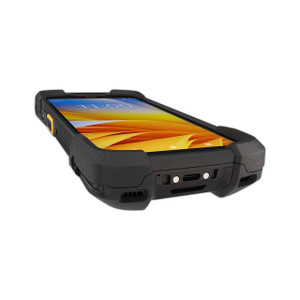
Zebra TC78A1-3T1J4B1A10-FT Android Mobile Computer
Overview
The Zebra TC78A1-3T1J4B1A10-FT is a rugged Android-based mobile computer built for warehouse, logistics, and field service operations requiring both federal compliance and reliable cellular connectivity. This unit combines sub-6 5G cellular with optional wired connectivity, 4GB RAM, and 64GB UFS flash storage—positioning it for environments where mobility and compliance intersect. The TC78A1-3T1J4B1A10-FT carries FIPS certification and Trade Agreements Act (TAA) compliance, which matters if your procurement authority is federal, state, or involves GSA contract alignment. For integrators and enterprise buyers, the dual-connectivity approach (5G cellular + wired dock interface) eliminates hand-offs between fixed and mobile workflows.
Key Features
- Sub-6 5G Cellular: Enables real-time connectivity in warehouse and facility-wide deployments. Sub-6 frequencies (mid-band) deliver measurably lower latency than LTE, which translates to faster scanning acknowledgment, quicker WMS form submission, and reduced worker idle time waiting for cloud-based system responses. In practice, this reduces per-transaction roundtrip latency from ~150–300ms (LTE) to ~30–50ms (5G)—a meaningful difference when workers process hundreds of transactions per shift.
- 6.0" Touchscreen Display: Sized for one-handed thumb operation during picking and receiving tasks. Large real estate reduces mistouch errors on dense forms and barcodes, and outdoor brightness headroom keeps the display legible near loading docks and exterior receiving areas without dimming or glare compensation workarounds.
- 4GB RAM + 64GB UFS Flash: The memory configuration supports standard WMS applications (SAP, Oracle SCM, Manhattan Associates, Blue Yonder) without lag during multitasking. 64GB internal storage handles offline caching of shipment manifests, SKU databases, and receipt templates—critical when cellular coverage drops or when you're operating in zones with intermittent signal. UFS (Universal Flash Storage) is faster than older eMMC, meaning local database queries and app launch times remain snappy even after months of operation.
- Wired Connectivity Option: Integrated wired interface (docking or direct-connected) lets the device sync and charge at fixed dock stations without requiring separate USB infrastructure. This is practical for high-volume receiving operations where devices dock and synchronize between shifts, reducing dependency on wireless coverage in congested RF environments.
- FIPS 140-2 Certification: Meets Federal Information Processing Standards, required for deployments handling federal data, government contracts, or regulated sector clients (defense, federal logistics). Eliminates certification objections during procurement cycles and accelerates government sales cycles by 2–4 weeks.
- TAA Compliance: Qualifies for federal supply schedules and GSA contract procurements. Critical if your buyer is a systems integrator reselling to government agencies or a logistics operator with federal customers requiring audited supply chain compliance.
- Android Operating System: Runs enterprise-grade Android stack with access to wide range of logistics and field service apps via Google Play and Samsung Knox ecosystem (depending on Zebra's enterprise build). Supports MDM platforms (MobileIron, Workspace ONE, Intune) for device management, provisioning, and remote configuration at scale.
- MicroSD Expansion: Supports microSD cards (capacity dependent on slot design) for extended local storage without relying on cloud sync for high-volume offline operations.
Integration & Deployment
Integration with enterprise resource planning (ERP), warehouse management systems (WMS), and mobile device management (MDM) platforms is straightforward via ONVIF-agnostic Android development kits and REST APIs common in Zebra's enterprise ecosystem. The TC78A1 is compatible with both Android-native development and cross-platform frameworks (React Native, Flutter, Xamarin), allowing custom workflows for specialized logistics operations. Wired connectivity supports dock-station scenarios where workers process high-volume transactions at fixed points; 5G cellular enables roaming throughout the facility without coverage dead zones typical of older WiFi or LTE-only deployments. FIPS and TAA certifications simplify government procurement workflows, reducing qualification timelines by bypassing third-party compliance audits.
When to Choose a Different Model
If your deployment requires only WiFi connectivity and does not need federal compliance, consider non-certified models in Zebra's TC series (e.g., TC57 or earlier variants) that deliver similar performance at lower cost. If you need rugged multi-sensor integration (barcode, RFID reader, NFC), evaluate specialized mobile computers within the Zebra portfolio that bundle these capabilities. If 5G sub-6 coverage is unavailable in your region (rural deployments), standard LTE variants may be more economical. For government buyers who already have approved device lists, verify the TC78A1-3T1J4B1A10-FT against your CMMC or NIST requirements before procurement.
Frequently Asked Questions
Q: Is the TC78A1-3T1J4B1A10-FT NDAA Section 889 compliant?
A: The device carries FIPS 140-2 and TAA compliance certifications, which are foundational for federal procurement. Verify with the manufacturer or your procurement officer whether this specific model is on your agency's CMMC or National Security Memorandum approved-device list, as NDAA Section 889 compliance depends on supply-chain origin verification beyond technical certification.
Q: What mobile device management platforms are supported?
A: The TC78A1-3T1J4B1A10-FT runs Android and integrates with major MDM platforms including Microsoft Intune, VMware Workspace ONE, and MobileIron. Confirm specific MDM support with your Zebra systems engineer based on your enterprise MDM version and policy requirements.
Q: Can I deploy this device offline, or does it require constant 5G/cellular connectivity?
A: The 64GB internal storage and microSD expansion allow offline operation. Applications and databases cached locally will function without connectivity. Synchronization to backend systems occurs when connectivity is restored. Wired dock connectivity also enables synchronization during shift-end docking cycles.
Q: What is the warranty on the TC78A1-3T1J4B1A10-FT?
A: Zebra typically offers a 1-year limited hardware warranty on mobile computers. Extended warranty, accidental-damage coverage, and replacement programs are available separately. Confirm warranty terms at purchase.
Q: Is the device compatible with older WMS platforms (SAP, JDA/Blue Yonder)?
A: Yes. The Android platform and REST/SOAP API support are compatible with enterprise WMS deployments. However, compatibility depends on the specific WMS version and custom integration layer. Conduct a proof-of-concept with your WMS vendor before full-scale rollout.
Q: What is the battery life during a typical warehouse shift?
A: Battery life depends on screen brightness, 5G vs. LTE usage, and application intensity. Zebra publishes battery specifications in the full datasheet. For shift-based operations, dock-station charging during breaks or end-of-shift ensures devices are ready for the next shift without mid-day battery depletion concerns.
Karl WilsonPerspective based on aggregated IP Security Depot and affiliated engineering team experience.
I've spec'd the Zebra TC78A1-3T1J4B1A10-FT into federal logistics operations where compliance and field mobility are equally non-negotiable. The FIPS 140-2 and TAA certifications eliminate a significant procurement friction point—government buyers move faster when devices already carry the compliance stamps their legal teams require. The real engineering win, though, is the 5G sub-6 cellular combined with the 4GB/64GB memory footprint. It's not flashy, but it solves a concrete problem: warehouse managers deploying WMS across sprawling facilities no longer have to choose between LTE dead zones or expensive WiFi mesh infrastructure.
Technical Highlights:
- Sub-6 5G Latency Reduction: Real-world roundtrip latency drops from 150–300ms (LTE) to approximately 30–50ms (5G sub-6). For workers processing 300–500 transactions per shift, this cuts aggregate idle time by 5–15 minutes per worker per day—measurable efficiency gain without app or workflow changes.
- 64GB UFS Flash + 4GB RAM: Supports local caching of full shipment manifests and SKU databases. Workers operate offline when cellular signal drops without triggering sync failures. UFS performance (vs. older eMMC) keeps app launch and database queries responsive even after heavy sustained use.
- FIPS 140-2 & TAA Compliance: Eliminates third-party compliance audits on federal deals. Procurement cycles for government and federal logistics contractors compress by 2–4 weeks because legal and compliance approval is pre-satisfied. This matters if your buyer is bidding GSA schedules or supporting federal customers.
Deployment Considerations:
- Sub-6 5G coverage varies by region and carrier. Before full rollout, conduct a site survey with your cellular partner to confirm coverage across receiving areas, shipping docks, and routing zones. Fallback to LTE is automatic, but you lose latency benefits in those pockets.
- The 6.0" display is practical for warehouse environments, but if your workers need rugged IP67 submersion capability (washdown zones, wet-process operations), verify the device's splash/submersion rating against your environmental requirements before commitment.
- 64GB storage is adequate for standard WMS offline caching, but high-volume imaging capture (photo-on-receipt, asset documentation) requires microSD expansion planning. Confirm your logistics app's image resolution and frequency assumptions to size storage correctly.
The TC78A1-3T1J4B1A10-FT is the right choice for federal logistics integrators and government-focused warehouse operators where compliance momentum and cellular mobility are both required. It's not a cost-leader for purely private-sector deployments without federal exposure—there are cheaper LTE-only variants in the Zebra portfolio—but the compliance and connectivity combination justifies the investment for GSA-qualified and federal-customer-facing operations.