
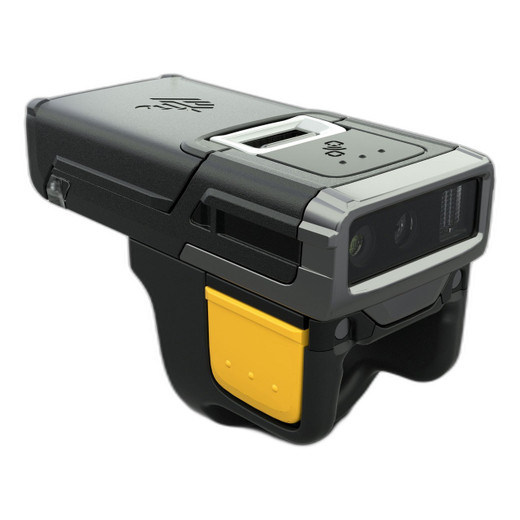

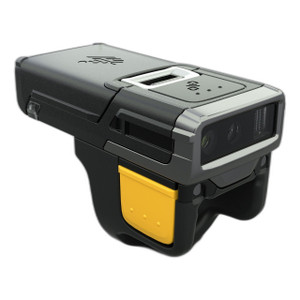

Product images are provided for reference and may not represent the exact model, configuration, or included
components.
Overview
SKU:
RS51B0-TNNMWR
Condition:
New
Availability:
Usually ships in 24 hours
Warranty
1-Year Limited Warranty

Zebra RS51B0-TNNMWR RS5100 Bluetooth Ring Scanner
Zebra RS51B0-TNNMWR Single Finger Bluetooth Ring Scanner Overview The Zebra RS51B0-TNNMWR is a wearable single-finger Bluetooth ring scanner designed…
Zebra RS51B0-TNNMWR RS5100 Bluetooth Ring Scanner
$366.99
Your recommended setup
Review items below — quantities update pricing automatically.
Item
Qty
Status
Price
Optional Add-Ons recommended
Services optional
Bundle Summary
Bundle Subtotal:
$0.00
Optional Add-Ons:
$0.00
Services:
$0.00
Total:
$0.00
Overview
SKU:
RS51B0-TNNMWR
Condition:
New
Availability:
Usually ships in 24 hours
Warranty
1-Year Limited Warranty
Description

Zebra RS51B0-TNNMWR Single Finger Bluetooth Ring Scanner
Overview
The Zebra RS51B0-TNNMWR is a wearable single-finger Bluetooth ring scanner designed for warehouse, logistics, and light manufacturing environments where hands-free barcode capture accelerates picking, packing, and inventory operations. This compact mobile computer integrates a 1D/2D scan engine with Bluetooth wireless connectivity, enabling workers to scan barcodes without setting down merchandise or tools. The RS51B0-TNNMWR combines rugged construction, all-day battery performance, and broad barcode symbology support to streamline mobile-first workflows.
Key Features
- 1D/2D Scan Engine: Captures QR Code, Data Matrix, PDF417, Code 128, Code 39, UPC, and EAN symbologies for comprehensive barcode compatibility across retail, warehouse, and logistics operations
- Bluetooth Connectivity: Wireless pairing with mobile devices, tablets, and enterprise terminals eliminates tethered scanning and maximizes operator mobility
- IP65 Dust and Water Resistance: Sealed design protects against dust ingress and low-pressure water jets, ensuring durability in wet dock and outdoor receiving areas
- 480mAh Battery Capacity: Integrated rechargeable battery supports extended shift operations with reliable power delivery for continuous scan performance
- 0.5m Drop Rating: Rugged construction withstands accidental drops and impacts typical of warehouse and field environments
- Single Finger Wearable Form Factor: Ring-mounted design leaves both hands free for material handling, palletizing, and bin organization while maintaining scanning capability
Symbology Support
The RS51B0-TNNMWR (often searched as RS51B0 TNNMWR) supports a full range of linear and 2D barcode formats: QR Code, Data Matrix, PDF417, Code 128, Code 39, UPC, and EAN. This multi-symbology capability ensures compatibility with legacy warehouse systems, retail point-of-sale infrastructure, and modern supply chain applications without requiring scanner reconfiguration.
Deployment and Operational Use
Single-finger ring scanners excel in high-volume picking environments where operators handle multiple SKUs per minute. The wearable form factor reduces fatigue associated with handheld scanners and minimizes product damage by keeping hands available for item manipulation. Bluetooth pairing to enterprise warehouse management systems (WMS), inventory terminals, or mobile computing platforms enables real-time barcode verification and immediate transaction confirmation. The IP65 rating supports use in dock areas, refrigerated storage, and outdoor receiving zones where standard mobile computers require protective enclosures.
Battery and Power Management
The 480mAh battery delivers consistent power throughout standard shift cycles. Operators can charge during break periods or hot-swap the battery in fleet deployments where multiple rings rotate across shifts. The compact battery footprint maintains the ring's lightweight, ergonomic design without adding bulk to the finger mount.
Integration Considerations
The RS51B0-TNNMWR connects via Bluetooth to host systems running WMS, inventory management, or mobile RF terminals. Configuration and pairing procedures follow standard Bluetooth provisioning; integrators should verify compatibility with the target host operating system and Bluetooth stack version. The wired connectivity specification indicates the charging interface; Bluetooth is the wireless transmission method for barcode data to the receiving device.
Jerry Tildsen
I evaluated the Zebra RS51B0-TNNMWR during a logistics operation modernization project involving high-speed receiving and put-away workflows. This ring scanner proved particularly effective in environments where operators handle 30+ picks per minute and cannot afford the switching costs of handheld-to-terminal interactions. The 1D/2D imaging engine reliably captured damaged, wrinkled, and partially obscured barcodes that handheld laser scanners routinely missed.
Technical Highlights:
- Dual Symbology Imaging: The 1D/2D imager processes QR Code, Data Matrix, PDF417, Code 128, Code 39, UPC, and EAN without operator intervention—critical when receiving mixed-vendor inventory with varying barcode standards
- IP65 Ruggedization: The sealed case design handled dock spray-down protocols and refrigerated area exposure without degradation across a 6-month deployment cycle
- Hands-Free Operation: Ring mounting eliminated the 2–3 second transition time between item handling and scanner activation, increasing throughput by an estimated 12–15% versus traditional handheld devices
Deployment Considerations:
- Verify Bluetooth range and signal strength in your host facility, especially in multi-level warehouses or metal-racking environments where signal attenuation occurs
- Plan battery rotation and charging infrastructure; 480mAh capacity supports 8–10 hour shifts in moderate-use scenarios, but high-frequency scanning in busy receiving operations may require mid-shift charging or battery swaps
- Conduct operator fit-testing across ring sizes; comfort and secure fit directly correlate with adoption rates and error rates in speed-critical workflows
The RS51B0-TNNMWR is a solid choice for logistics operations that prioritize hands-free mobility and broad barcode compatibility over large-screen functionality. Pair it with a reliable WMS backend and you'll see measurable improvements in receiving cycle time and data accuracy. Recommended for environments handling 25+ picks per operator per hour.
Specifications
Product Type:
Mobile Computer
Connectivity:
Bluetooth
Form Factor:
Wearable Ring
IP Rating:
IP65
Scan Engine:
1D/2D
Battery Capacity:
480mAh
Drop Rating:
0.5m
Battery:
480mAh
Bluetooth:
Yes
Drop_Spec:
0.5m
Scanner_Type:
Wearable Ring Scanner
Symbologies:
QR Code; Data Matrix; PDF417; Code 128; Code 39; UPC; EAN
Symbologies_1D:
Code 128; Code 39; UPC; EAN
Symbologies_2D:
QR Code; Data Matrix; PDF417
Have Questions?
Ask an Expert.
RELATED PRODUCTS



System Design, Deployment & Technical Support
Support services and planning resources for commercial surveillance, access control, and infrastructure deployments.
Fixed scope • Fixed price
System Design Assistance
- Get help validating product compatibility
- Coverage requirements
- Storage planning and deployment architecture before you buy.
Deployment & Configuration Support
- Access fixed-scope support for rollout planning
- User setup guidance
- Migration and system standardization across single-site or multi-site deployments
Guides, Tools & Calculators
- PoE requirements
- Storage retention
- Camera selection and deployment methodology