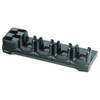
Zebra CRD-MC33-4SE4BC-01 MC33 4-Slot Ethernet Cradle with Battery Charging
Overview
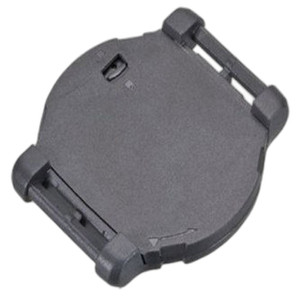
The Zebra CRD-MC33-4SE4BC-01 is a stationary charging and communications cradle purpose-built for Zebra MC33 mobile computers. This 4-slot Ethernet cradle simultaneously charges up to four devices while maintaining wired network connectivity — eliminating the bottleneck of wireless synchronization in high-throughput warehouse, retail, and logistics environments. The integrated 4-slot battery charging module allows your team to stage fully charged spare batteries on-site, cutting device downtime between shifts or operational cycles. If your operation runs multiple MC33 units across a single location, the CRD-MC33-4SE4BC-01 (often searched as CRD MC33 4SE4BC 01) turns charging from a distributed problem into a centralized, managed process.
Key Features
- 4-Slot Simultaneous Device Charging: Charge four MC33 mobile computers in parallel. In a 50-unit fleet rotating through a single charge station, this cuts idle time per device by roughly 75% compared to single-unit charging — a significant productivity gain in shift-based operations.
- Integrated 4-Slot Battery Module: Maintains four fully charged spare batteries independent of the dock. Your team swaps a depleted battery into a charged one mid-shift without docking the device itself — critical in high-utilization warehouse picking or delivery routes where device downtime directly hits throughput.
- Wired Ethernet Connectivity: Each cradled device connects via Ethernet for real-time data synchronization, application updates, and inventory pulls. Avoids Wi-Fi congestion, latency, and roaming delays that plague warehouse networks — particularly important when docked devices are staging large batch uploads or firmware patches.
- MC33 Series Compatibility: Pairs directly with all Zebra MC33 mobile computer variants. No adapter kits, no workarounds — physical and electrical fit is guaranteed within the MC33 line.
- Stationary Deployment Model: Designed for fixed locations — warehouse inbound docks, shipping departments, material handling stations, or regional distribution centers. Not portable; provides reliable charging infrastructure for high-traffic areas where devices return frequently.
- Centralized Device Management: Consolidates charging and communications in one footprint. Simplifies fleet hygiene audits, battery rotation tracking, and firmware synchronization across devices sharing a single docking location.
Integration & Compatibility
The CRD-MC33-4SE4BC-01 integrates into existing MC33 deployments without requiring new hardware or driver installations. Connect the cradle to your enterprise Ethernet network — the docked devices inherit network connectivity for MDM, app distribution, and real-time database synchronization. If your operation uses Zebra mobile computer management platforms (such as Zebra Mobility DNA or partner MDM solutions), the Ethernet-connected devices report status, battery health, and configuration changes directly to your management console during dock time, reducing manual fleet audits.
Battery rotation workflows benefit from the 4-slot charging module. Establish a simple swap protocol: operators dock a device with a low battery, pull a fully charged spare from the module, and install it — the device redocks immediately and continues operation while the drained battery charges passively. This handoff takes 30 seconds and eliminates the "wait for charger" friction that slows high-utilization fleets.
What's in the Box
- 1x 4-slot Ethernet cradle
- 1x 4-slot battery charging module
Frequently Asked Questions
Q: Does the CRD-MC33-4SE4BC-01 cradle work with MC33 handheld mobile computers from all Zebra MC33 firmware versions?
A: Yes. The cradle is compatible with the Zebra MC33 series. Physical docking connectors and electrical specifications are standardized across the MC33 line. No firmware-specific compatibility issues apply.
Q: Can I charge MC33 batteries outside the device using the 4-slot battery module?
A: Yes. The integrated 4-slot battery charging module charges spare MC33 batteries independently of the cradle itself. This allows your operation to maintain a rotating pool of charged batteries, ready for mid-shift swaps.
Q: What network cable connector does the CRD-MC33-4SE4BC-01 use for Ethernet?
A: The cradle uses standard wired Ethernet connectivity. Refer to the manufacturer datasheet for specific connector type and network interface specifications.
Q: Is the CRD-MC33-4SE4BC-01 suitable for outdoor or high-temperature warehouse environments?
A: The cradle is designed for stationary, indoor deployment. For temperature and environmental rating details, consult the product datasheet or confirm operating conditions with the manufacturer before deploying in extreme-temperature zones (freezer, heat-sealed areas).
Q: How many MC33 devices can charge simultaneously on a single CRD-MC33-4SE4BC-01?
A: The cradle accommodates four MC33 mobile computers charging in parallel.
Q: What is the typical charging time for MC33 batteries?
A: Charging duration depends on battery capacity and charge state. See the MC33 datasheet for detailed battery specifications and typical charge curves.
Ted PerryPerspective based on aggregated IP Security Depot and affiliated engineering team experience.
The CRD-MC33-4SE4BC-01 solves a logistics operations pain point: simultaneous charging and data synchronization for fleets that dock frequently but can't afford wireless latency or network congestion. If your warehouse runs 40+ MC33 units on a single floor and rotation through a centralized staging area, this 4-slot cradle with integrated battery charging is a logical infrastructure investment. The wired Ethernet eliminates the typical Wi-Fi traffic spike during shift changeover when every device needs to pull fresh inventory, route updates, or task lists.
Technical Highlights:
- 4-Slot Parallel Charging: Reduces per-device charging wait time to one-quarter of what a single-unit charger would require. In a rotating fleet model, this directly translates to higher device availability during peak picking or shipping hours.
- Integrated 4-Slot Battery Module: Decouples device charging from battery availability. Your operators swap depleted batteries for charged ones without docking the handheld itself — critical when docking time is constrained or devices need to stay in the field.
- Wired Ethernet Connectivity: Provides deterministic, low-latency data synchronization during dock time. Avoids the cumulative latency and congestion that wireless-only deployments face during batch firmware updates or large inventory sync cycles across multiple devices.
Deployment Considerations:
- This cradle is stationary infrastructure — not portable. Site it at a location where MC33 devices naturally return (inbound staging, outbound dock, sort line), not at random points on the warehouse floor.
- Network planning: Ensure the docking area has Ethernet drops or a managed network path to your enterprise LAN. Wireless backhaul to the cradle defeats the purpose of wired device connectivity.
- Battery module workflow discipline matters. If operators don't follow a structured swap protocol, the battery module becomes a dead asset and devices revert to on-dock charging only — measure adoption before scaling to multiple cradles.
Position the CRD-MC33-4SE4BC-01 in high-rotation warehouse hubs — receiving docks, sortation lines, or dispatch areas where crews stage between tasks or shifts. It's not a universal charger; it's a localized throughput optimization tool for operations that measure device utilization by the hour, not the day.