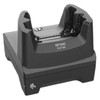
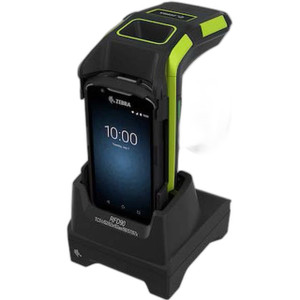
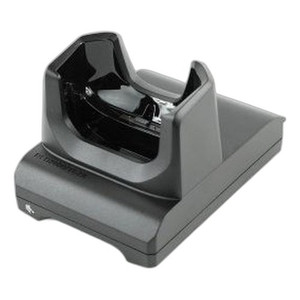
Zebra CR49-1S0T-TC5-M-02 Single-Slot Communication Cradle
Overview
The Zebra CR49-1S0T-TC5-M-02 is a single-slot communication cradle engineered to dock RFD40 and RFD90 mobile computers in warehouse, logistics, and field-service operations. This cradle consolidates charging and data synchronization into one footprint, eliminating the need for separate power cables and USB connections scattered across your staging area. If you deploy RFD-series devices across a distribution center or retail chain, the CR49-1S0T-TC5-M-02 (often searched as CR49 1S0T TC5 M 02) reduces device-to-dock latency and keeps your fleet synchronized without manual intervention.
Key Features
- Single-Slot Design: Accommodates one RFD40 or RFD90 device at a time. This narrow footprint matters in confined staging areas or checkout zones where rack real estate is tight—you can stack multiple cradles horizontally or cascade them in vertical docking frames without wasting space.
- Charging Capability: Delivers reliable power management to the docked device. Eliminates the charging uncertainty of loose barrel connectors or uncertified USB adapters that degrade over months of warehouse handling.
- Data Synchronization: Provides wired communication pathway between the mobile computer and your backend systems. Wireless sync alone introduces latency and potential dropouts during peak transaction windows; hardwired cradle docking guarantees immediate data transfer when the device returns to the staging zone.
- Multi-Slot Framework Integration: The CR49-1S0T-TC5-M-02 slots into larger docking frameworks, allowing you to build 2-, 4-, 8-, or custom-count fleet charging stations. This modular approach scales from a single-location pilot to multi-facility rollout without redesigning your dock infrastructure.
- RFD40 and RFD90 Compatibility: Supports both Zebra mobile computer models within the RFD-series family. If your warehouse runs a mixed fleet or you're planning a staged upgrade from RFD40 to RFD90, this cradle works with both generations—reducing the need for inventory of multiple cradle SKUs.
- Warehouse-Grade Durability: Built for high-cycle environments where cradles endure repeated insertions, contact wear, and occasional impact. Proper material selection and contact design ensure years of reliable docking without degradation of power or data connectivity.
Integration and Deployment Context
The CR49-1S0T-TC5-M-02 is not a standalone device—it is a building block in a larger fleet management architecture. You typically deploy multiple cradles in a common dock or charging station, where devices return for end-of-shift charging, data synchronization, and task uploads. This pattern is standard in distribution centers, retail backrooms, and field-service operations using Zebra mobile computers for inventory, picking, or route delivery.
When evaluating whether this cradle fits your deployment, confirm that your RFD40 or RFD90 fleet reaches a docking station regularly—if devices are rarely returned to a fixed location, the benefit of a charging cradle diminishes. Conversely, if your operation runs daily shift rotations or per-vehicle charging protocols, this cradle becomes a cost-control point: it prevents charger damage, standardizes power delivery, and reduces the total cost of ownership compared to loose charging cables and undisciplined power management.
When to Choose a Different Model
If your deployment uses RFD-series devices outside the RFD40 or RFD90 lineup, you will need a different cradle SKU. Additionally, if you require charging without data synchronization (passive power-only docking), you may be able to reduce cost with a simpler power cradle variant—consult your systems integrator for alternatives within the Zebra Zebra mobile computer accessories family.
Frequently Asked Questions
Q: Can I use the CR49-1S0T-TC5-M-02 cradle with RFD-series devices other than RFD40 and RFD90?
A: No. This cradle is engineered specifically for RFD40 and RFD90 docking. Other RFD models require their own cradle SKUs to ensure proper contact alignment and power delivery.
Q: Does the CR49-1S0T-TC5-M-02 support multi-device charging in a single unit?
A: No. The CR49-1S0T-TC5-M-02 is a single-slot cradle. For simultaneous charging of multiple devices, you integrate multiple cradles into a multi-slot docking frame or charging station.
Q: What power specifications does the cradle require for operation?
A: Consult the Zebra CR49-1S0T-TC5-M-02 datasheet for exact power input and output specifications. The cradle connects to a power supply or dock controller that handles voltage and current delivery to docked devices.
Q: Is the CR49-1S0T-TC5-M-02 compatible with third-party docking frames?
A: Compatibility depends on the frame's slot design and connector standard. Work with your integrator to confirm mechanical and electrical fit before committing to a multi-slot frame purchase.
Q: Can I wall-mount or vehicle-mount a single CR49-1S0T-TC5-M-02 cradle?
A: The cradle is typically integrated into a docking station or counter-mounted frame rather than directly mounted to walls or vehicle surfaces. Consult the mounting guidance in the product datasheet for specific installation options.
Ted PerryPerspective based on aggregated IP Security Depot and affiliated engineering team experience.
The CR49-1S0T-TC5-M-02 is a workhorse accessory for RFD-fleet operations that rely on a fixed staging or charging dock. I've deployed these in distribution centers where devices cycle through a central sort station multiple times per shift—the single-slot design keeps the footprint minimal while the integrated charging and data sync eliminates the cable mess and charging failures that plague loose-adapter environments.
Technical Highlights:
- Single-Slot Modularity: One cradle per device slot means you scale your dock from 2 to 20 devices by daisy-chaining cradles into a frame—no need to rip out and replace a monolithic charging station if your fleet grows mid-year.
- Dual-Model Support (RFD40 and RFD90): If you're running a mixed fleet or staging a phased upgrade, this cradle future-proofs your dock investment. No inventory churn if you add RFD90 units to an RFD40-dominant warehouse.
- Hardwired Data Path: Wireless sync is convenient for field pickup, but dock-time synchronization needs to be reliable and fast. The CR49-1S0T-TC5-M-02 guarantees immediate data transfer without WiFi contention or Bluetooth dropouts—critical when you're pushing end-of-day inventory uploads or route updates to a packed fleet.
Deployment Considerations:
- The cradle is only as effective as your dock discipline—if drivers or associates bypass the charging station and charge devices informally, you lose the sync guarantee and face premature power connector wear. Enforce docking protocol or this accessory becomes a cost center.
- Verify that your backend systems (WMS, vehicle management, or task server) can accept synchronous data pushes from docked devices. If your integration is one-way or uses polling only, the cradle's hardwired link may not fully unlock its value.
Deploy the CR49-1S0T-TC5-M-02 in high-volume retail distribution or parcel-sortation environments where devices return to a central dock at the end of each shift or route. It is not suitable for mobile field workforces that rarely visit a fixed location—those scenarios call for vehicle chargers or dock-free battery management.