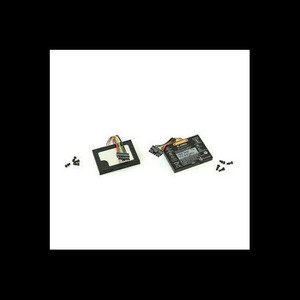
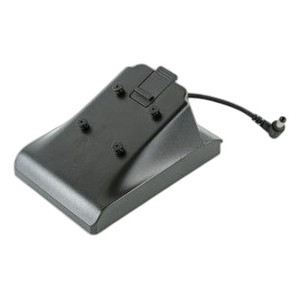
Zebra BTRY-CS60EAB0E-04 Spare Battery
Overview
The Zebra BTRY-CS60EAB0E-04 is a replacement battery engineered specifically for the Zebra CS6080-SR mobile computer. In warehouse automation, logistics, and field operations, device downtime directly impacts throughput and labor efficiency. A second charged battery eliminates the forced idle time when the primary battery depletes during extended shifts or multi-day deployments — your operators stay productive while the first unit recharges. This is straightforward inventory: one backup battery per device or work area cuts the risk of unplanned work stoppages.
Key Specifications
- Compatibility: Engineered for the CS6080-SR platform only. Verify your device model before ordering — using an incompatible battery will not fit the compartment and creates safety and performance risk.
- Replacement Purpose: Designed as a direct swap-in for the original battery that ships with the CS6080-SR. No firmware updates or device reconfiguration required — install and deploy.
- Spare Pool Strategy: Integrators typically stock one spare per mobile computer terminal, plus one or two per charging dock. A second unit ensures you never run short during peak sorting or fulfillment cycles when both devices might be in use simultaneously.
- Outdoor/Rugged Environments: The CS6080-SR is built for warehouse floors, loading docks, and outdoor staging areas. This battery meets the same environmental tolerances as the parent device, so temperature and humidity swings common in non-climate-controlled facilities do not degrade performance.
Integration & Compatibility
The BTRY-CS60EAB0E-04 (often searched as BTRY CS60EAB0E 04) works exclusively with the Zebra CS6080-SR mobile computer. Before ordering, confirm your device model by checking the rating label on the back of the unit or in your device inventory management system. Cross-referencing with your original purchase order or device serial number is the safest approach.
If you operate a mixed fleet that includes CS6070, CS6000, or other Zebra mobile models, each may require a different battery part number. Using the wrong spare will not physically fit and may damage the battery compartment if forced.
For deployments of 10 or more CS6080-SR units, consider a rotational battery strategy: keep spares charging on a dock while operators use primary batteries in the field. This approach minimizes idle time and extends the operational lifespan of all batteries by distributing charge cycles evenly.
Deployment Context
Warehouse automation and logistics operations rely on continuous mobile computer availability. Unexpected battery failure mid-shift can halt scanning, inventory, or picking operations until a replacement arrives or the device fully recharges. A pre-positioned spare battery eliminates that vulnerability. Whether managing a single distribution center or a multi-facility logistics network, including the BTRY-CS60EAB0E-04 in your spare parts inventory is a cost-effective insurance policy against downtime.
Battery lifespan varies by usage pattern and environment. After 2–3 years of daily cycling, consider rotating aged spares out of the active pool and adding new units to maintain performance headroom.
Frequently Asked Questions
Q: Is the BTRY-CS60EAB0E-04 compatible with other Zebra mobile computer models?
A: No. The BTRY-CS60EAB0E-04 is designed exclusively for the CS6080-SR. Other Zebra mobile models (CS6000, CS6070, CS60, etc.) use different battery part numbers and form factors. Always verify your exact device model before ordering.
Q: How long does a full charge typically last during normal warehouse use?
A: Runtime depends on scanning intensity, screen brightness, and radio usage. For typical pick-pack-sort workflows, you can expect a full shift (8–10 hours) from one charged battery. Heavy radio usage or constant screen-on mode may reduce runtime by 20–30%.
Q: Can I use this battery in cold storage or freezer environments?
A: The CS6080-SR is rated for warehouse environments, but extremely low temperatures (below 0°C / 32°F) can reduce battery capacity and runtime. If you operate in cold storage, test real-world runtime under those conditions and plan additional spares accordingly.
Q: What is the recommended replacement frequency?
A: Lithium-ion batteries degrade gradually. After 2–3 years of daily charge cycles, capacity typically declines 15–20%. If operators report shorter runtime, it's time to rotate in fresh batteries and retire aged units from the active pool.
Q: How should I store spare batteries long-term?
A: Store at room temperature (15–25°C / 59–77°F) in a dry location. Avoid extreme heat or freezing. Partially charged batteries (40–60% state of charge) store longer than fully discharged units. Check spares every 6 months to ensure they retain charge.
Ted PerryPerspective based on aggregated IP Security Depot and affiliated engineering team experience.
The BTRY-CS60EAB0E-04 is a critical piece of logistics infrastructure that most integrators overlook until they face a battery failure in the field. A single drained battery can cascade through an entire shift if you don't have a ready spare. I've seen 20-unit warehouse deployments grind to a halt because the operations team only stocked one spare per five devices. The reality: mobile computer batteries don't fail gracefully. They hit 5% capacity one day and are borderline unusable the next.
Deployment Considerations:
- Spare Stocking Ratio: One spare per CS6080-SR device is baseline. For high-volume pick/pack operations running two 10-hour shifts, add one additional spare per dock or charge station. Batteries in rotation stay healthier than devices sitting idle with a depleted battery.
- Charge Dock Planning: Ensure your charging infrastructure has enough slots for primary batteries plus at least one full set of spares rotating through. Most integrators miss this—they deploy 15 devices with 2 chargers that hold 5 batteries total. Plan for at least 40% capacity headroom in your dock layout.
- Environmental Stress: Warehouse environments—especially loading docks and outdoor staging—subject batteries to temperature swings. If your facility routinely drops below 10°C or exceeds 30°C, battery runtime will suffer noticeably. Test under real conditions before committing to a large fleet deployment.
- End-of-Life Tracking: Lithium-ion batteries lose 0.5–1% capacity per month in storage, even when unused. After three years of active cycling, capacity degrades to 70–80% of rated capacity. Without a replacement schedule, you'll see creeping operator complaints about insufficient runtime before understanding the root cause.
Real-World Positioning: If you're deploying CS6080-SR devices across a distribution network or multi-shift warehouse operation, the BTRY-CS60EAB0E-04 isn't optional—it's a cost per device. Budget conservatively: two spares per unit deployed, plus one or two floaters at each facility. That inventory investment pays for itself the first time you avoid a mid-shift work stoppage. For single-location warehouses under 10 devices, one spare per device plus one backup is typically sufficient.