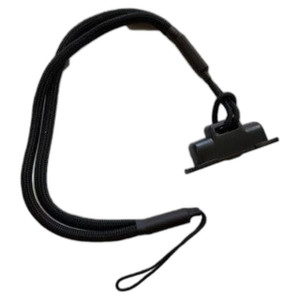
Zebra ADP-RFD40-TC5X-1E RFD40 eConnex Adaptor Sled
Overview
The Zebra ADP-RFD40-TC5X-1E is an eConnex adaptor sled purpose-built to integrate the RFD40 mobile computer with Zebra TC52ax and TC57 devices. This sled establishes a standardized physical and electrical connection between two disparate devices, eliminating the need for custom cabling or middleware software. In warehouse automation and retail mobility workflows where multiple scanning devices must operate in parallel—think RF tag reads paired with barcode capture—the ADP-RFD40-TC5X-1E removes the integration friction. Dock once, operate both devices as a coordinated system.
Key Features
- eConnex Interface: Proprietary Zebra connector standard. Means the sled and devices are mechanically and electrically optimized for one another—no adapter chains, no guessing compatibility. Docking is reliable in high-vibration environments like conveyor lines or forklifts.
- Plug-and-Play Operation: No device driver installation, no firmware patching, no VMS commissioning. Connect the sled to power and network, dock your TC52ax or TC57, and it recognizes the RFD40 attachment immediately. Reduces deployment time in environments where you need to swap devices frequently.
- TC52ax and TC57 Compatibility: Engineered specifically for these two Zebra enterprise handhelds. If your fleet runs different Zebra models (TC72, TC77, TC8x), this sled will not work—you'll need a different adapter. Verify your device model before ordering.
- High-Throughput Docking Design: Built for rapid device cycling. In fast-moving warehouse operations—think dock workers clocking in and out of zones—the sled enables quick undocking and redocking without mechanical wear or alignment issues.
- No Additional Software Configuration: The sled bridges hardware; it does not require VMS integration, middleware drivers, or custom scripts. If your workflow relies on app-level data fusion between RFD40 and TC device streams, that logic stays in your application layer, not the sled.
- Standardized Zebra Ecosystem Component: Works within the broader Zebra mobile computing environment. If you're already running Zebra handhelds with Zebra mobile computers and RF infrastructure, this sled fits the standard playbook for device coordination.
Integration & Compatibility
The ADP-RFD40-TC5X-1E is a hardware adapter, not a software driver. Its role is purely physical and electrical—it provides a docking station and eConnex connector. The sled itself does not handle data routing, compression, or format translation. When you dock an RFD40 into a TC52ax via this adapter, both devices remain independent communicators on your network. Data flows via their respective IP or wireless stacks. If you need to aggregate or synchronize data from both devices in real time, that logic lives in your application, mobile device OS, or back-end middleware.
Compatibility is strict: TC52ax and TC57 only. Do not attempt to use this sled with TC72, TC77, TC8x, or non-Zebra devices. Forcing the connector will damage the eConnex pins and void the warranty.
Deployment Context
This adapter solves a specific problem: coordinating two Zebra devices in a single operator's workflow. Common scenarios include:
- Warehouse receiving: operator uses TC57 barcode scanner plus RFD40 RFID reader to verify inbound pallets.
- Retail cycle count: handheld scanner (TC52ax) docked with RFD40 to cross-reference merchandise against RFID tags.
- Asset tracking in field service: technician carries a single mounted sled holding both devices for redundancy and dual-capability readiness.
If your workflow requires only one device type—RF reading OR barcode scanning, not both—the sled adds cost and weight without benefit. Evaluate whether true multi-device coordination justifies the investment.
Frequently Asked Questions
Q: Will the ADP-RFD40-TC5X-1E work with my Zebra TC72?
A: No. This adapter is engineered specifically for TC52ax and TC57 devices. The TC72 uses a different mechanical form factor and eConnex pinout. You would need a different adapter sled designed for the TC72.
Q: Do I need to install drivers or configure software when I dock the RFD40?
A: No. The sled is a passive hardware connector. When you dock the RFD40 into a TC52ax or TC57 via the ADP-RFD40-TC5X-1E, both devices connect to the network independently. No drivers or special config required. Your application code handles any data coordination between them.
Q: Can the sled be mounted to a forklift or mobile cart?
A: The ADP-RFD40-TC5X-1E is a docking station. Mounting options (wall, vehicle, cart) depend on your installation. Check the datasheet for mechanical mounting points, or contact a Zebra systems integrator for bracket recommendations specific to your vehicle or mount type.
Q: What happens if I dock an RFD40 without the TC device attached?
A: The RFD40 will function independently via its own RF or Wi-Fi connection. The sled simply provides a stable mechanical housing and electrical bridge. Docking the RFD40 alone does not enable features that require a paired TC device.
Q: Is the ADP-RFD40-TC5X-1E compatible with third-party mobile devices?
A: No. The eConnex interface is a Zebra proprietary connector. This sled will not work with Samsung, Honeywell, Motorola, or other brand mobile computers. Compatibility is limited to Zebra TC52ax and TC57.
Q: What's the typical lifespan of the eConnex connector under heavy use?
A: The datasheet does not specify connector cycle rating. For high-volume docking environments (50+ docks per day), contact Zebra or a systems integrator to discuss connector wear expectations and potential replacement intervals.
Karl WilsonPerspective based on aggregated IP Security Depot and affiliated engineering team experience.
The Zebra ADP-RFD40-TC5X-1E is a straightforward hardware bridge—nothing flashy, but critical if you're building a two-device workflow. I've seen too many integrations bloated by software shims trying to wedge incompatible hardware together. This sled eliminates that complexity by doing one thing correctly: mechanically and electrically unifying an RFD40 with a TC52ax or TC57. No drivers to patch, no middleware licenses to renew. The tradeoff is device exclusivity—it only works with those two TC models, period. If your fleet is mixed Zebra hardware, you'll need multiple sled SKUs.
Technical Highlights:
- eConnex Connector Standard: Zebra proprietary connector designed for enterprise handhelds. Means docking reliability in vibration-heavy environments like moving vehicles or conveyor lines. Each mate/un-mate is mechanically robust—no connector drift or intermittent electrical loss under repeated cycling.
- Plug-and-Play Integration: Zero software configuration. The TC52ax or TC57 recognizes the RFD40 attachment on physical dock. Your app sees both devices as independent network entities—no special drivers, no re-pairing on power cycle. Valuable in high-churn environments where devices are cycled dozens of times per shift.
- Device-Specific Design: Works exclusively with TC52ax and TC57. Attempting to use this sled with TC72, TC77, TC8x, or non-Zebra handhelds will damage the eConnex pins. Compatibility is not negotiable—verify your device SKU before purchase.
Deployment Considerations:
- The sled is a passive connector; it does not route, buffer, or translate data. If your workflow requires real-time data fusion between the RFD40 and TC device, that logic lives in your application layer or middleware, not the sled. Plan for that complexity upstream.
- Watch the docking environment. The eConnex connector is designed for regular use but not for dusty, sandy, or corrosive atmospheres. If your site is outdoors or in a chemical storage area, consider protective covers or a weatherproof enclosure around the sled.
The ADP-RFD40-TC5X-1E is purpose-built for warehouse receiving, retail cycle counts, and field asset verification where an operator needs RF tag reading and barcode scanning in tandem. If you're running single-device operations, the sled is overhead. If you've already standardized on Zebra TC52ax or TC57 handhelds and need RFID capability, this is the cleanest integration path available—no software licensing, no vendor lock-in surprises.