ACTi NAB-PBX Wired Stand Alone Push Button
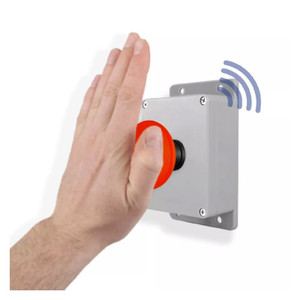
When you need a simple, reliable panic button or duress alarm trigger for security installations, dedicated hardware beats improvised solutions. The ACTi NAB-PBX gives you a wired standalone push button that integrates with access control systems, intrusion panels, or video management platforms requiring a hardwired dry contact closure. This is the straightforward emergency input device for retail counters, reception desks, classroom lockdowns, or any scenario where staff need immediate silent alerting without fumbling with apps or keypads.
Key Features
- Standalone wired push button designed for panic/duress alarm triggering
- Dry contact output compatible with access control panels, intrusion systems, and VMS relay inputs
- Durable construction suitable for under-counter or desktop mounting
- Low-profile design for discreet placement at POS stations, reception areas, or workstations
- Simple two-wire connection for fast field installation
- No network configuration or IP addressing required — pure hardwired reliability
- Momentary or latching operation depending on system requirements
This push button solves the common problem of needing a physical emergency trigger that doesn't rely on software, network connectivity, or user interaction with screens. You wire it directly to an alarm input on your access controller, NVR, or intrusion panel, and it delivers an immediate contact closure when pressed. That makes it ideal for integrating silent alarms into existing security systems without adding network endpoints or licensing costs. Mount it under a counter for retail panic scenarios, at a teacher's desk for lockdown initiation, or anywhere staff need one-touch emergency response.
The NAB-PBX keeps emergency alerting simple and bulletproof. No batteries to maintain, no wireless interference to troubleshoot, no firmware to update — just a reliable hardwired input that works when it matters. For integrators building layered security systems where human-initiated alarms are part of the response protocol, this push button provides the physical interface your clients' staff can activate instantly under stress.