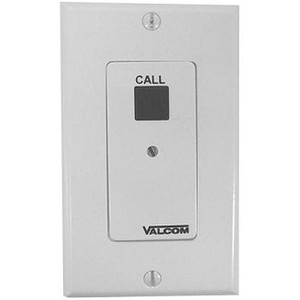
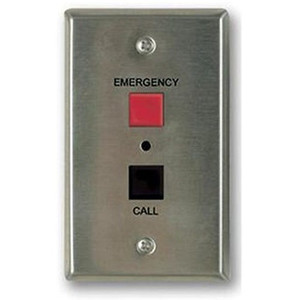
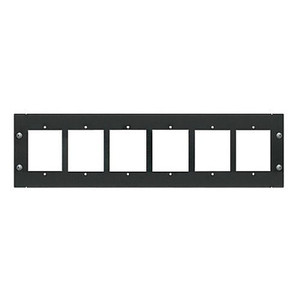
Valcom V-9933A Noise Sensing Volume Control
Overview
The Valcom V-9933A is a wall-mounted noise sensing volume control engineered to solve a specific operational problem: maintaining intelligible paging announcements when ambient noise levels fluctuate throughout the day. In manufacturing plants, warehouses, and distribution centers, background noise varies dramatically between shifts, production schedules, and equipment cycles. Manual volume adjustments waste time and often result in announcements that are either inaudible during peak activity or jarring during quiet periods. The V-9933A monitors real-time ambient noise electronically and adjusts speaker output automatically, ensuring that emergency notifications, production announcements, and operational directives remain clear without manual intervention.
Key Features
- Automatic Noise Sensing: Real-time ambient noise detection means you don't have to manually adjust volume when machine operation starts or stops—the system compensates automatically, delivering consistent intelligibility regardless of background noise swings.
- Wall-Mount Form Factor: Compact design integrates into existing paging infrastructure without requiring cabinet space or extensive rewiring, reducing installation labor and disruption.
- Remote Microphone Integration: Works with Valcom remote microphone sensors (such as the V-9934) placed at representative noise monitoring points throughout the facility—critical because noise levels vary between zones in large warehouses or multi-building sites. The controller reads actual conditions where announcements need to be heard, not where the main system sits.
- Electronic Output Optimization: Adjusts speaker levels electronically to maximize intelligibility without distortion or feedback artifacts that can occur with purely mechanical volume controls.
- Production Environment Hardened: Designed specifically for industrial settings with variable acoustic conditions—manufacturing floors with heavy machinery, shipping areas with forklift traffic, and facilities with intermittent high-noise events.
- Coordinated Multi-Zone Control: Functions as the control hub in noise-adaptive installations, allowing one V-9933A to coordinate paging across multiple zones when paired with strategically placed remote sensors.
Integration & Compatibility
The V-9933A operates as a central control point for Valcom noise-adaptive paging systems. It receives noise-level data from remote microphone sensors positioned throughout your facility and adjusts speaker volume in response. Installation is straightforward: mount the device at a control location, wire it into your existing Valcom paging system, and place remote sensors in areas that best represent the acoustic conditions where announcements must be heard. Verify compatibility with your current Valcom paging equipment before deployment—different system generations may have specific wiring or control protocol requirements.
Deployment Applications
The V-9933A is purpose-built for facilities where background noise levels fluctuate significantly or vary between zones:
- Manufacturing facilities with variable machine operation schedules and shifting noise floors
- Production plants with multiple acoustic zones requiring independent noise monitoring
- Warehouses and distribution centers where forklift traffic, loading activity, and equipment cycles create unpredictable noise spikes
- Industrial environments where emergency announcement clarity is non-negotiable for safety compliance
- Multi-zone facilities requiring coordinated volume control without a separate operator monitoring each zone
- Shift-based operations where day, swing, and night shifts experience dramatically different background noise conditions
When to Choose a Different Model
If your facility has consistently low ambient noise (quiet office environments, climate-controlled warehouses with minimal equipment activity, or indoor spaces with noise isolation), a simpler fixed-volume control or manual volume knob may be more cost-effective—the V-9933A's value lies in environments where noise swings are significant and frequent. If you need pressure-activated emergency audio or integration with facility-wide emergency mass notification systems beyond standard paging, consult with an integrator about broader system options within the Valcom catalog.
Frequently Asked Questions
Q: How does the V-9933A know what the ambient noise level is?
A: Remote microphone sensors (such as the V-9934) placed throughout your facility continuously monitor ambient noise. These sensors send that data to the V-9933A controller, which adjusts speaker volume based on the noise levels detected at those monitoring points.
Q: Can I use the V-9933A without remote microphone sensors?
A: The V-9933A is designed to work with compatible Valcom remote microphone sensors. Verify sensor compatibility with your integrator before purchase—standalone operation without remote sensors is not the primary use case.
Q: Does the V-9933A work with existing Valcom paging systems?
A: The V-9933A integrates with compatible Valcom paging infrastructure. Verify compatibility with your current equipment—different Valcom system generations may have specific wiring or control protocol requirements.
Q: What happens if a remote microphone sensor fails?
A: If a sensor fails or loses connection, the system may revert to a default volume level or trigger an alarm depending on your configuration. Discuss sensor redundancy and failover behavior with your integrator during deployment planning.
Q: Is the V-9933A suitable for outdoor or harsh environments?
A: The V-9933A is a wall-mounted indoor control device. For outdoor noise monitoring or harsh-environment sensor placement, consult your integrator about rated enclosures or ruggedized sensor options within the Valcom product family.
Q: How much does installation typically cost?
A: Installation labor depends on your facility size, zone count, and sensor placement complexity. An integrator can assess your site and provide a proposal that includes device cost, sensor placement, wiring, and commissioning.
Ted PerryPerspective based on aggregated IP Security Depot and affiliated engineering team experience.
I've deployed the Valcom V-9933A in several high-variability industrial environments—manufacturing plants with multi-shift operations and distribution centers where equipment cycling creates unpredictable noise swings. This device addresses a genuine operational problem that many facility managers overlook: announcements that work perfectly during one shift become either inaudible or uncomfortably loud during the next. The V-9933A solves that by electronically monitoring ambient conditions and adjusting speaker output in real time, eliminating manual volume tweaking and the operational friction that comes with it.
Technical Highlights:
- Real-Time Noise Sensing: Remote microphone sensors detect actual ambient noise levels at representative monitoring points, not just at the controller. This means the system compensates based on conditions where announcements need to be heard—a critical advantage in multi-zone facilities where noise varies significantly between areas.
- Automatic Volume Compensation: Electronic output optimization eliminates manual adjustments and ensures consistent intelligibility as noise floors swing throughout the day or shift transitions. No more inaudible emergency alerts during peak production or painful volume spikes during quiet periods.
- Coordinated Multi-Zone Architecture: The V-9933A functions as the control hub for installations with multiple remote sensors, allowing one controller to manage noise-adaptive paging across entire facilities without requiring multiple separate systems or operator intervention.
Deployment Considerations:
- Sensor placement is critical—remote microphones must be positioned at locations representative of the noise conditions where announcements actually need to be heard. Placing a sensor in a quiet office when the target audience is on the noisy production floor defeats the purpose.
- Verify compatibility with your existing Valcom paging infrastructure before purchase. Different system generations have specific wiring and control protocol requirements—an integrator should confirm interoperability during the site assessment.
- Failover behavior matters if sensors fail or lose connection. Discuss backup volume settings and alarm triggers with your integrator during commissioning so the system degrades gracefully rather than silently reverting to an inappropriate default level.
Deploy the V-9933A in manufacturing plants, warehouses, and distribution centers where background noise varies significantly throughout the day or between zones. This is the right choice if you're managing shift-based operations, facilities with intermittent high-noise equipment, or multi-building sites where acoustic conditions differ dramatically between monitoring points.