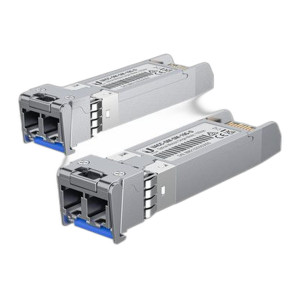
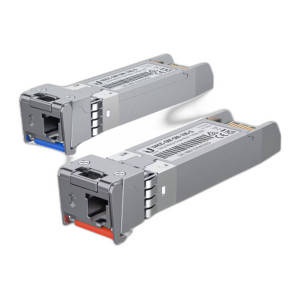
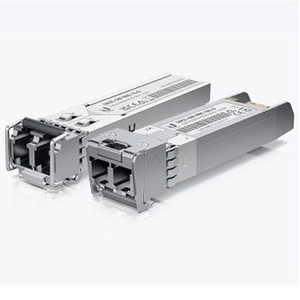
Ubiquiti UACC-OM-SM-1G-S-2 Single-Mode Optical Module (2-Pack)
Overview
The Ubiquiti UACC-OM-SM-1G-S-2 is a pair of single-mode fiber optical transceiver modules designed to extend network connectivity over long-distance fiber runs in UniFi deployments. Each module supports 1Gbps bidirectional throughput, making it suitable for campus networks, distributed warehouse facilities, and enterprise infrastructure where fiber backbone connectivity is required. This is an accessory product — the modules integrate with compatible UniFi switching equipment to provide cost-effective fiber extension without the need for standalone media converters.
Key Features
- 1Gbps Bidirectional Throughput: Each module in the 2-pack delivers full-duplex gigabit-speed transmission, eliminating throughput bottlenecks when bridging remote network segments over fiber — critical for facilities where copper runs exceed distance limitations (100 meters for Cat6A).
- Single-Mode Fiber (SMF) Support: Single-mode design enables transmission over much longer distances than multimode fiber — typically 10+ kilometers depending on equipment and fiber grade — ideal for sprawling campuses or geographically distributed warehouse operations where even fiber trunks may span multiple buildings or outdoor runs.
- 2-Pack Format: Supplies both transceivers needed for a single bidirectional link, or enables redundant fiber paths across dual-port compatible UniFi switches — no need to purchase modules separately for paired deployments.
- UniFi Ecosystem Integration: The UACC-OM-SM-1G-S-2 modules plug directly into compatible UniFi switch models, eliminating external converter hardware and reducing rack space and power supply complexity in network closets.
- Compact, Lightweight Form Factor: Each module weighs 0.500 lb, designed for direct insertion into SFP slots on UniFi equipment — no additional mounting, cabling, or space allocation required beyond the host switch.
- Cost-Effective Fiber Backbone Extension: Compared to deploying separate media converter appliances, transceiver modules reduce capital expenditure and ongoing management overhead for organizations already committed to UniFi infrastructure.
Integration & Compatibility
The UACC-OM-SM-1G-S-2 modules are designed for Ubiquiti UniFi switches equipped with SFP (Small Form-factor Pluggable) ports. Verify that your target switch model lists SFP module compatibility in its documentation before ordering. The modules support standard single-mode fiber connectors and are compatible with standard telecom-grade SMF cable (typically OS2-rated fiber for long-distance runs). When installing, ensure fiber runs are properly tested for continuity and attenuation before termination — fiber damage or poor-quality connections will degrade or block the link entirely, and optical faults are harder to diagnose than copper issues.
When to Choose a Different Model
If your deployment requires multimode fiber (shorter distances, lower cost per meter, easier field termination), or if you need transceiver modules rated for speeds above 1Gbps (10G or higher), consider alternative optical module options within the Ubiquiti accessory catalog. If your UniFi equipment lacks SFP slots, a standalone media converter will be necessary instead of these modules.
Deployment Context
Network integrators deploying network switches across multi-building campuses, warehouse automation facilities with distributed control systems, or enterprise locations requiring fiber backbone redundancy will find these modules a straightforward way to add optical connectivity. They work particularly well in environments where copper runs have already maxed out their distance limits or where electromagnetic interference from industrial equipment makes fiber preferable to twisted-pair cabling.
Frequently Asked Questions
Q: What is the maximum fiber run distance supported by the UACC-OM-SM-1G-S-2?
A: Single-mode fiber transceivers typically support distances of 10+ kilometers (6+ miles) depending on fiber grade (OS1 or OS2), attenuation, and the quality of terminations. Consult the Ubiquiti datasheet and your fiber specification before planning exceptionally long runs; multimode variants are limited to roughly 550 meters.
Q: Do I need any special tools or training to install these modules?
A: The modules themselves plug directly into SFP slots — no tools required. However, fiber cable termination, testing, and splicing require proper equipment and training. If you are not experienced with fiber installation, contract a certified fiber technician to handle cable runs and terminations.
Q: Are the modules hot-swappable on a live switch?
A: Most modern UniFi switches support hot-swap SFP modules, but confirm in your switch's manual before attempting to insert or remove modules while the switch is powered. Pulling a module carrying live traffic will interrupt service to connected equipment on that port.
Q: What type of fiber connectors do these modules use?
A: The UACC-OM-SM-1G-S-2 modules support standard LC connectors (single-mode SMF). Ensure your fiber cable is terminated with matching LC connectors and is rated for single-mode transmission.
Q: Can I mix these single-mode modules with multimode fiber cable?
A: No — single-mode transceivers are optimized for single-mode fiber only. Attempting to use multimode fiber will result in signal loss and link failure. Match the transceiver type to your fiber specification.
Q: What is the warranty on the UACC-OM-SM-1G-S-2?
A: Refer to Ubiquiti's standard accessory warranty terms provided with your purchase. Optical modules are typically covered against manufacturing defects but not physical damage from improper handling, excessive bending, or contaminated connector surfaces.
Ted PerryPerspective based on aggregated and affiliated engineering team experience.
The UACC-OM-SM-1G-S-2 (often searched as UACC OM SM 1G S 2) is a straightforward choice for any UniFi deployment that requires fiber backbone connectivity over distances beyond 100 meters. The single-mode design and 1Gbps bidirectional throughput mean you can trust these modules to move full-speed traffic across campus or between warehouse zones without copper-distance compromises or media-conversion latency.
Technical Highlights:
- 1Gbps Bidirectional Throughput: Full-duplex gigabit performance ensures no speed penalty when bridging remote network segments — particularly important when upstream UniFi equipment is capable of higher speeds and you don't want the fiber link to become a bottleneck.
- Single-Mode Fiber Support: SMF extends practical transmission distance to 10+ kilometers (depending on fiber grade and quality), versus roughly 550 meters for multimode — a decisive factor when your deployment spans large properties or outdoor fiber runs between buildings.
- SFP Slot Direct Integration: No external converter boxes, no dedicated rack space, no separate power supply — the modules plug into compatible UniFi switch SFP slots, reducing bill-of-materials cost and infrastructure footprint.
Deployment Considerations:
- Fiber installation and termination is not plug-and-play. If your team lacks fiber certification, budget for a professional fiber installer to run and terminate cable runs — poor terminations and dirty connectors are the leading causes of optical link failures.
- Single-mode fiber cable and connectors cost more than multimode, and test equipment (OTDR, light meter) requires investment if you're not already equipped. Don't skimp on fiber testing before production deployment.
- Verify SFP slot compatibility on your target UniFi switches before ordering — not all models support SFP modules, and some limit module types (e.g., not all UniFi switches accept optical modules in all SFP slots).
Position the UACC-OM-SM-1G-S-2 for medium-to-large campus deployments, distributed warehouse automation networks, and any multi-building infrastructure where fiber backbone redundancy or distance requirements exceed what copper (Cat6A) can deliver economically. It's not a solution for short indoor runs — copper patch cable is cheaper and faster to install — but for anything over 100 meters or requiring EMI immunity, these modules pay for themselves through reduced troubleshooting and eliminating external converter appliances.